
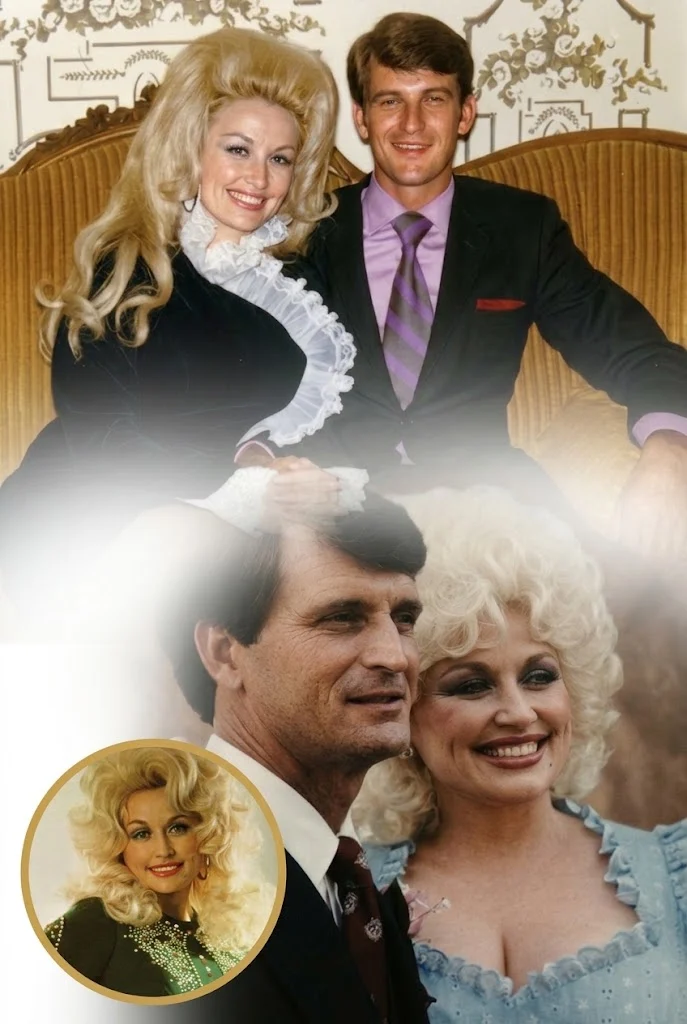
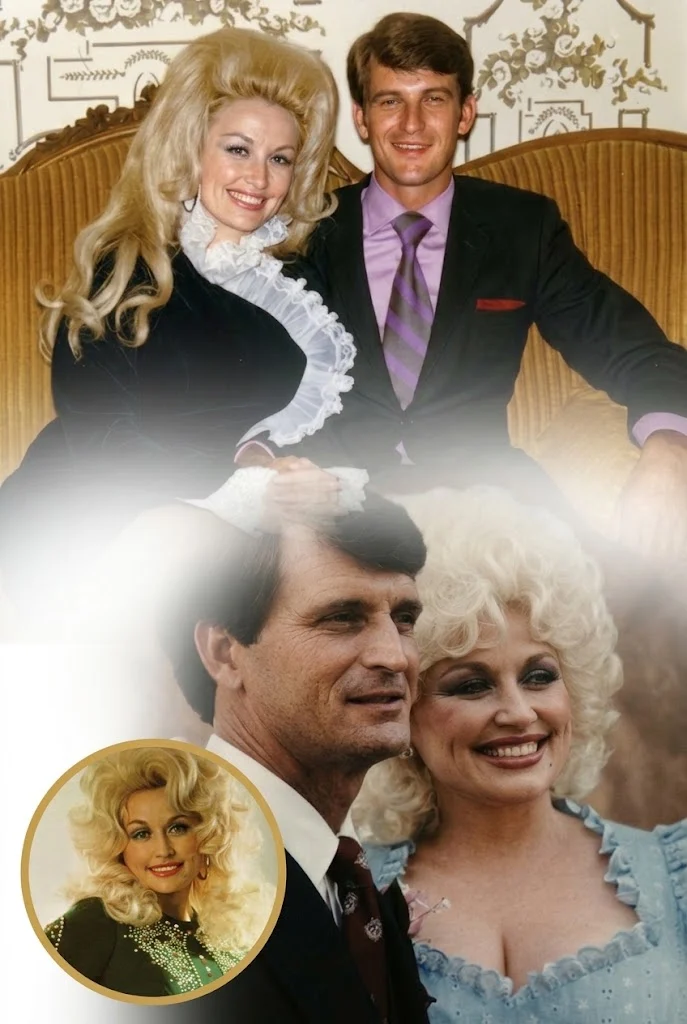
A homemade white dress, a tiny Baptist church in Georgia, and only three witnesses. That was the unlikely beginning of a marriage that would outlast fame, fashion, and every dire warning from Nashville.
Before Dolly Parton became a global icon, she was a twenty-year-old singer on the edge of a country music breakthrough. She had come to Nashville from the Great Smoky Mountains two years earlier with little more than dirty clothes and a notebook of songs.
As her recording prospects took shape, Monument Records founder Fred Foster gave her a direct warning. He asked her to put the wedding on hold. The industry conventional wisdom of the era insisted that a young female artist tied down to marriage would lose her appeal to radio programmers, record buyers, and tour promoters.
The industry feared that a wedding band would dim her bright lights
Dolly chose differently. She and twenty-three-year-old Carl Dean had already made up their minds. The couple had first met on Dolly’s very first day in Nashville in 1964 outside the Wishy Washy Laundromat. Carl had stopped his pickup truck to talk to the aspiring songwriter.
On Memorial Day, May 30, 1966, Dolly and Carl quietly drove across the Tennessee border to Ringgold, Georgia. They kept the trip hidden so local newspapers and music industry executives would not find out.
The ceremony took place inside a modest local Baptist church, completely removed from the Nashville spotlight. There were no photographers, no publicists, and no industry peers in attendance.
Only three witnesses stood beside them. They were Dolly’s mother Avie Lee Owens Parton, the presiding pastor, and the pastor’s wife. Dolly wore a simple white dress and matching veil that she and her mother had sewn together by hand for the occasion.
That small chapel service established the core principle that would define the next six decades of their shared life. While Dolly set out to conquer the entertainment world, Carl chose to remain firmly grounded in ordinary life. He operated an asphalt paving business back home in Tennessee.
After attending a single formal music industry dinner early in Dolly’s career, Carl made a lasting decision to step away from public events entirely. He told her that he loved her but the red carpet world was simply not for him. Dolly respected that boundary without hesitation. Their home life remained an untouched sanctuary away from the stage.
Behind the scenes, their partnership thrived on ordinary routines rather than celebrity trappings. They spent private time taking long weekend drives across rural roads in a small camper. They stopped at local diners, cooked simple meals together, and kept their home life entirely independent of the touring machine.
Dolly’s career went on to yield countless chart-topping records, global tours, and a permanent place in the Country Music Hall of Fame. Yet through every decade of expanding fame, her personal life remained tethered to the private foundation laid during that quiet drive to Georgia.
When the couple renewed their vows for their fiftieth wedding anniversary in 2016, Dolly wore a formal gown. The quiet spirit of the union remained unchanged.
Dolly Parton conquered the world on her own terms, but her longest journey began in a homemade white dress across a state border. The private pacts, quiet sacrifices, and everyday habits that carried their union through decades of worldwide fame remain the most enduring chapter behind the headlines.