
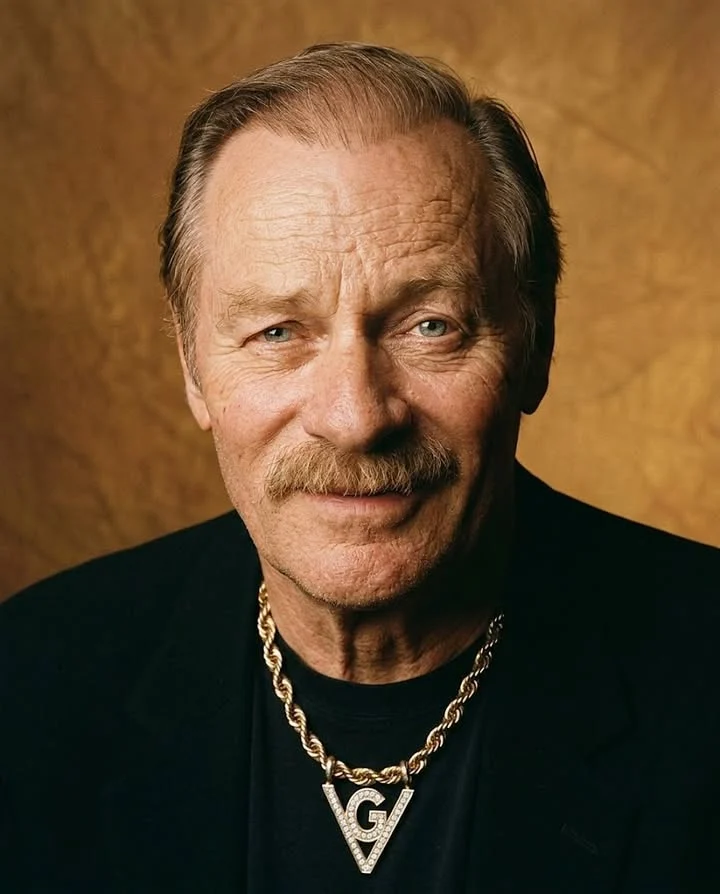
The song that rescued Vern Gosdin did not begin in a Nashville studio. It began in an Atlanta living room, after long days of cutting glass and selling mirrors, where a wife helped a discouraged singer keep his voice alive.
By 1970 Gosdin had made a quiet and heavy choice. The man later revered as one of country music’s most authentic vocalists walked away from a promising but frustrating career in California. In the late 1960s he had sung alongside his brother Rex and artists such as Gene Clark, yet critical respect did not pay the bills. Needing stability for his family, he moved to Atlanta and retired from the stage.
He traded a guitar for the calloused hands of a tradesman. Gosdin opened a glass and mirror business and spent his days cutting heavy glass, managing inventory, and going door to door to secure sales. For years the music industry moved on without him. The hum of delivery trucks replaced the glow of studio lights. He was no longer a recording artist. He was a working father trying to survive.
The music never fully left his home. His wife Cathy became his creative anchor. She did not resent the unpredictability of his old dreams. She helped him carry them. After grueling shifts at the glass shop, the couple sat together in the quiet of their house and wrote songs that reflected the gritty and honest reality of their lives.
In that small space they wrote the framework for Till the End. It did not sound like a manufactured radio hit. It carried the weight, the exhaustion, and the enduring love of two people surviving the hardest years.
Those living room sessions might have stayed a private family memory if not for a crucial intervention. The rough tapes Gosdin had been making caught the ear of Gary S. Paxton, a pop music impresario and producer from Gosdin’s California past. Paxton urged the former singer to enter a local studio and record proper demos.
Those stripped down sessions then reached Emmylou Harris. She had known Gosdin socially but had never worked with him professionally. Moved by the raw ache of his vocals, Harris did more than pass the tape along. She added her own backing harmonies. The combination of Gosdin’s restraint and Harris’s ethereal voice landed on the desks of executives at Elektra Records in Nashville, who quickly offered the Atlanta glass worker a recording contract.
That contract led to the 1977 album Till the End. When it came time to record the title track he had written with Cathy, the studio brought in Janie Fricke to sing the female harmony. Released in June 1977, the song climbed to number seven on the Billboard country charts. It was not just a hit. It was a rescue mission. The success pulled Gosdin out of the glass shop and reintroduced his pure and unfiltered sound to the public.
The real weight of Till the End was never only its chart position. Gosdin did not have to manufacture the emotion behind the lyrics. His voice had aged over seven years in Atlanta. It had gained a gritty edge and a profound depth that only comes from walking away from a dream and working with your hands to survive. He stepped away from the microphone to be a father, and that sacrifice gave his voice the aching resonance that would define his legacy.
He left the music industry to build a life for his family. In the end, it was his family that built the song that brought him back.
The Voice returned to Nashville through the very family he had left the road to protect.