
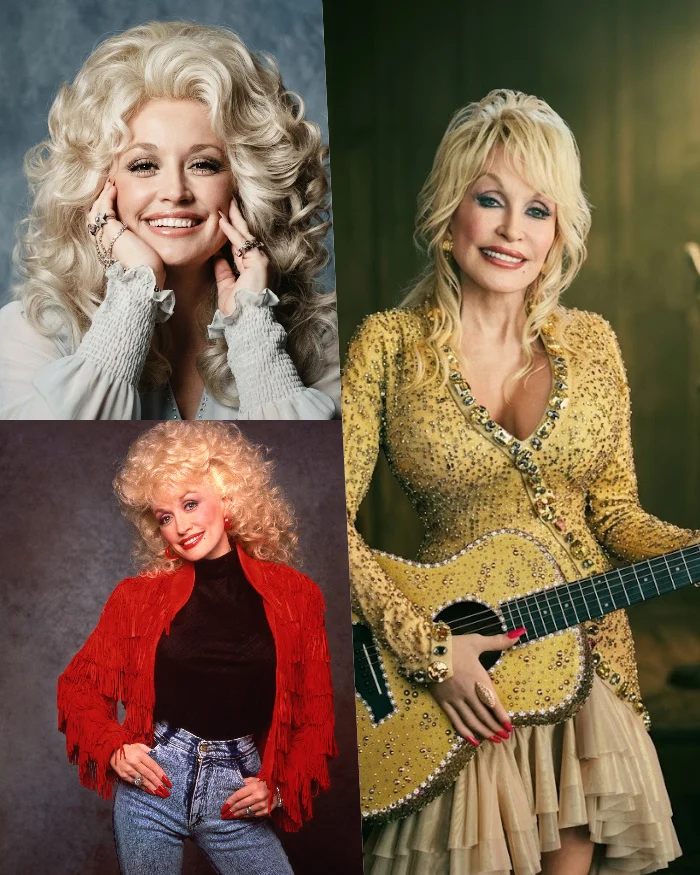
On March 2, 2021, Dolly Parton rolled up her sleeve at Vanderbilt University Medical Center and took her first COVID-19 shot from Dr. Naji Abumrad. The moment looked ordinary. For Parton, it was a deliberate statement about fairness. She had helped fund the science behind the vaccine. She still refused to skip the line.
Nearly a year earlier, in April 2020, the East Tennessee icon made a quiet call to her longtime friend Dr. Abumrad at Vanderbilt in Nashville. Laboratories around the world were racing to understand a global health crisis. Parton did not seek headlines or fanfare. She wrote a personal check for one million dollars and established the Dolly Parton COVID-19 Research Fund.
That unrestricted gift gave researchers vital early capital during the first phases of study. It helped accelerate clinical trials and trial formulations when speed mattered deeply. Months later, in November 2020, the New England Journal of Medicine published breakthrough findings on the Moderna vaccine. The Dolly Parton COVID-19 Research Fund appeared in the acknowledgments beside major federal agencies.
The partnership grew from a personal history of quiet trust. Years before the pandemic, Parton had been treated at Vanderbilt after a minor car accident. She formed an enduring friendship with Dr. Abumrad, the surgical chair. When the pandemic hit, their conversations revealed how badly researchers needed fast and unencumbered funding. Parton answered immediately and trusted the science and the hands doing the work.
When the vaccine won regulatory authorization, Parton made a choice that surprised observers. She had financially backed the science that produced the dose. She would not use fame or wealth to secure early access. She insisted on waiting for her turn under state public health guidelines. Taking a dose before higher-risk people or her official eligibility group felt wrong to her.
On March 2, 2021, Tennessee opened appointments for people aged 75 and older. Parton scheduled her visit and walked into Vanderbilt like any other local resident. She sat in an examination chair, rolled up her sleeve, and received her first dose directly from Dr. Abumrad. Instead of keeping the moment private, she used the spotlight to reassure anxious families. She even playfully rewrote the lyrics of her classic anthem Jolene to urge neighbors everywhere to protect themselves.
When news outlets and fans celebrated her as a national savior, Parton turned attention back to the laboratory benches. She stressed that the true credit belonged to the tireless researchers, nurses, and scientists.
She was simply a donor who wanted to help and the true credit belonged to the researchers, nurses, and scientists.
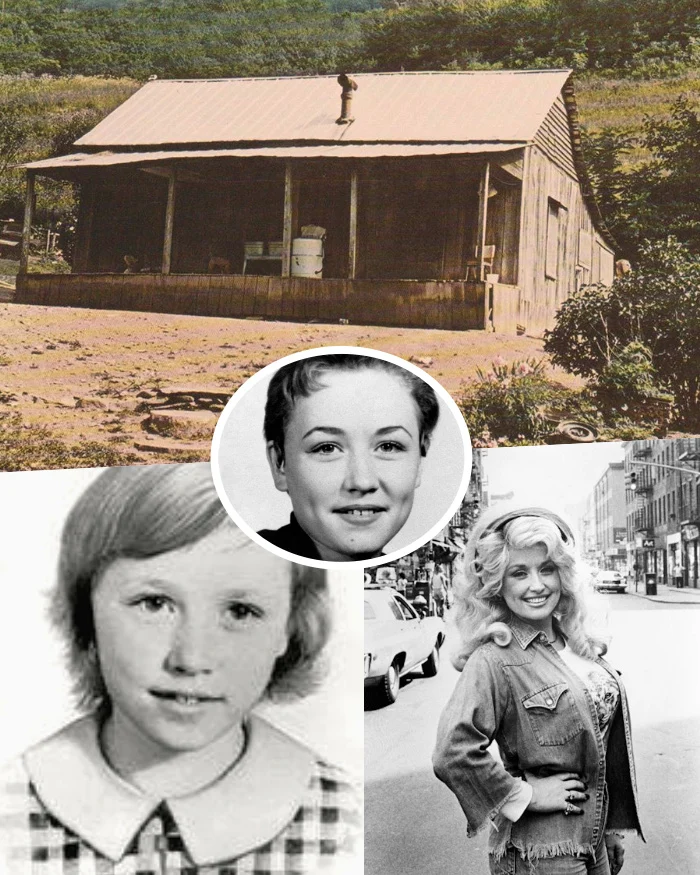
Growing up as one of twelve children in a one-room cabin in Locust Ridge, Sevier County, taught her early lessons about fairness, struggle, and community care. Fame never erased that core mountain instinct.
Parton’s million-dollar check helped deliver modern medicine to millions of homes. Her patience in waiting for her turn showed everyday people what genuine humility looks like. The quiet correspondence that began with a hospital partnership remains one of the most remarkable chapters of her legacy.