

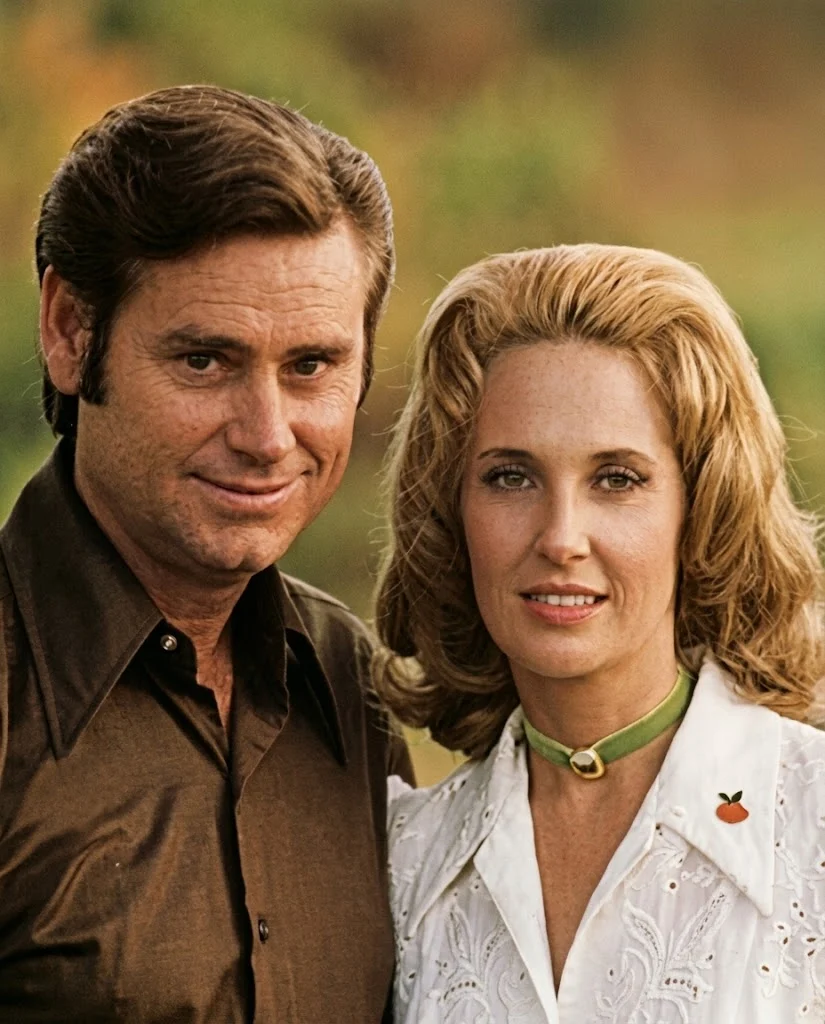
At Tammy Wynette’s Nashville funeral in 1998, George Jones stood by her casket and wept in front of fellow artists and the public. The unpredictable outlaw image fell away. What remained was the fierce protective instinct that had first drawn him to her and the quiet grace they had found only three years earlier in a recording studio.
That unlikely peace began in 1995 when producer Tony Brown brought Jones and Wynette back together for a reunion album called One. Fifteen years had passed since their bitter legal battles and long public silence. By then the two country music giants were living entirely separate lives. Jones had finally left his severe alcoholism and personal demons behind. He was clear-headed and reliable. Wynette was enduring immense physical suffering after dozens of invasive surgeries and heavy pain management just to keep her road schedule going.
They were no longer the volatile and impulsive couple of the 1970s. The marriage had been defined by terrifying nights and broken trust. The man who once flipped a heavy dining room table to protect her from an abusive household had become the exact unpredictability she needed to flee in 1975. Standing before the microphones in 1995, they carried the visible wear of time, illness, and a highly publicized separation.
Then the music started. Defensive walls dropped. Studio engineers watched the familiar vocal harmony return effortlessly as if the fifteen-year gap had never existed. No one had to manufacture chemistry for the producers. The session became a quiet resolution and an unspoken act of forgiveness.
Whatever they could not say to each other in ordinary conversation they managed to express through the tracks.
The 1995 studio work did more than produce One. It set the stage for a closing chapter. After the album’s release, George and Tammy put past resentments aside and embarked on a highly anticipated acoustic tour. Because Wynette’s declining condition made standing for long periods difficult, the two legends performed sitting side by side on wooden stools.
Night after night audiences watched them replace the toxic chaos of their younger years with gentle professional forgiveness. They were no longer trying to save a failing marriage or survive a devastating addiction. They were two colleagues honoring a complex shared history and finding a safe way back under the spotlight without hurting each other.
That reconciliation proved vital because time was running out. Just three years after the studio sessions and tour, Tammy Wynette died suddenly on April 6, 1998, from a blood clot in her lungs. She was fifty-five years old.
At her funeral Jones wept uncontrollably. Yet because of the grace they found during the One sessions and the tour that followed, he did not have to carry the heavy burden of unresolved anger. The 1995 reunion had given them exactly enough time to make their peace.
The music industry still celebrates the historic catalog of bleeding duets they left behind and often romanticizes the fiery tension that made their early records so compelling. But the pristine vinyl from the 1970s does not tell the full story of their survival.
A divorce decree legally dissolved their household and the passing decades granted them separate lives. Yet the forgiveness they found on a pair of wooden stools proved that the profound respect between them never actually disappeared.