
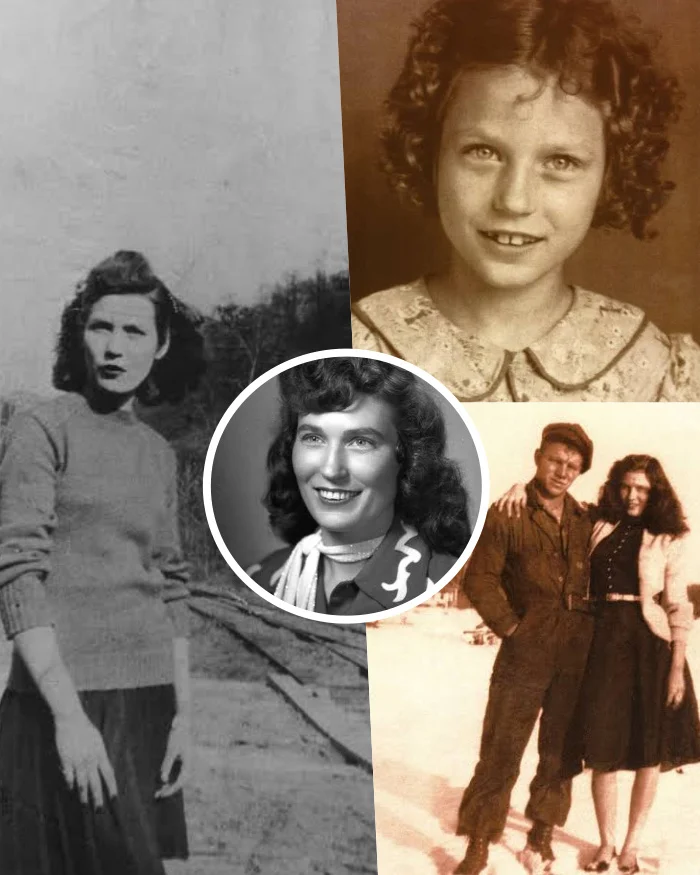
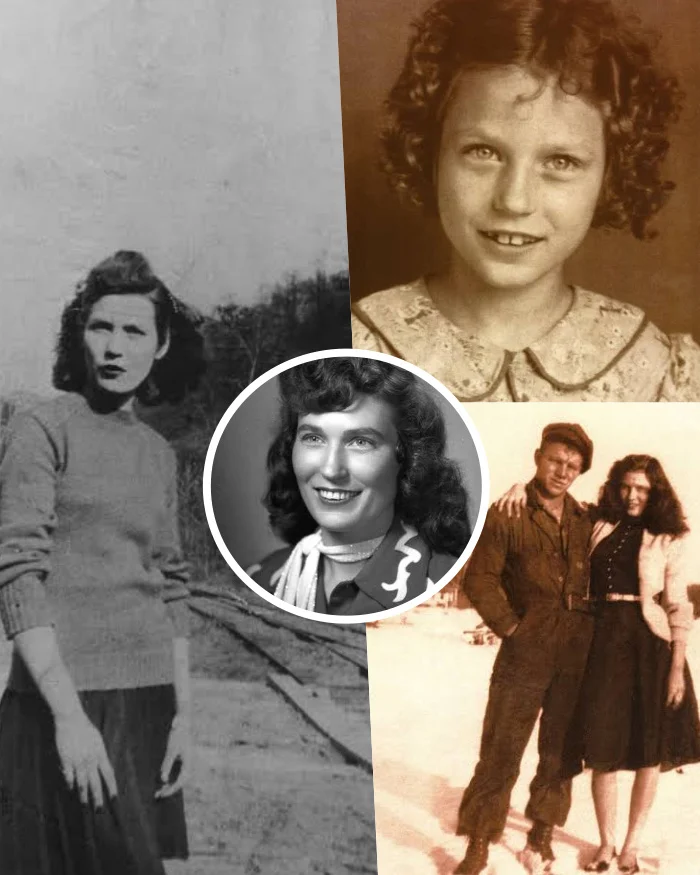
The steam engine hissed and a pregnant sixteen year old girl held her father on a Kentucky platform, both of them weeping because a miner’s wages might never buy her a ticket home. That girl was Loretta Lynn, and the train waiting behind her would carry her three thousand miles from Butcher Hollow Kentucky to the wet timber country of Custer Washington in early 1948.
She had never traveled beyond the Appalachian ridges. Coal work was fading after World War II, poverty was tightening across the hollows, and her husband Oliver Doolittle Lynn believed their only path forward lay in the logging and dairy country near the Canadian border. Loretta was seven months pregnant with their first child, Betty Sue, and she packed her worldly belongings into a worn bundle of clothes.
At the mountain depot the hardest goodbye was to her father, Melvin Ted Webb. They held each other through the hiss of the steam engine and wept because a miner’s pay meant neither family could easily scrape together the money for a return ticket east.
On a miner’s pay neither family could afford another train ticket east
As the wheels began turning, Loretta watched through the coal dusted passenger window while her father stood alone in the valley mist and waved until the train curved into the timber. The long ride west marked the end of her childhood in Kentucky, but the resilience demanded by those timber roads would help shape the woman who one day gave rural mothers an enduring voice.
The young couple reached the cold wet logging camps of the Pacific Northwest without savings or family nearby. Their first shelter in Whatcom County was a rough caretaker cabin on a farm where Doolittle milked cows and cleared brush. The cabin had uninsulated board walls, no indoor plumbing and an iron stove that needed constant feeding to fight the coastal damp. Within weeks of their arrival Lynn gave birth to Betty Sue on a metal cot, learning motherhood alone without her mother Clara nearby to guide her.
Doolittle took any work the valley offered. He rose before dawn for commercial logging camps, cut cedar, hauled brush and serviced farm machinery. Loretta hauled water from outside pumps, washed cloth diapers on metal scrub boards and kept the woodpile stocked against the winter cold. By the time she turned twenty she had four children underfoot, Betty Sue, Jack Benny, Ernest Ray and Clara Marie.
To help cover winter grocery bills she joined seasonal labor crews and picked strawberries and beans in the Whatcom County fields with infants wrapped in blankets at the edge of the rows. She canned hundreds of jars of garden produce each summer and stored them on dirt cellar shelves so the kitchen would not go bare when logging shut down during seasonal rain.
The isolation in Custer was severe, but it also became the quiet workshop where her music began. In 1953 Doolittle spent seventeen dollars on a flat top Harmony acoustic guitar from a Sears Roebuck catalog and brought it home for her eighteenth birthday. With no formal instruction Lynn taught herself basic rhythm chords while her babies slept, leaning her ear over the wooden body to match the pitch of mountain ballads she remembered from her father’s whistle.
She began writing original verses in spiral notebooks, setting down straightforward lines about marital frustration, tight wages and the exhausting routine of farm chores. Doolittle heard the difference in her timing and began driving her to local weekend spots. She formed a three piece band called Loretta’s Trail Blazers and took the stage at Bill’s Tavern in Blaine and the Delta Grange Hall, where she earned five dollars a night singing over the clatter of beer bottles and shuffleboard weights.
Those hard years along the logging roads of Whatcom County established the backbone of everything Lynn later brought to Nashville. Long before she stepped into a recording studio she had learned how to stretch fifty cents, feed a family on wild greens and tell the unvarnished truth about rural working life.
She was not singing a rehearsed version of country hardship
When national recognition finally arrived she was simply recounting the years she spent keeping a wood fire burning in the cold timber of Washington.