
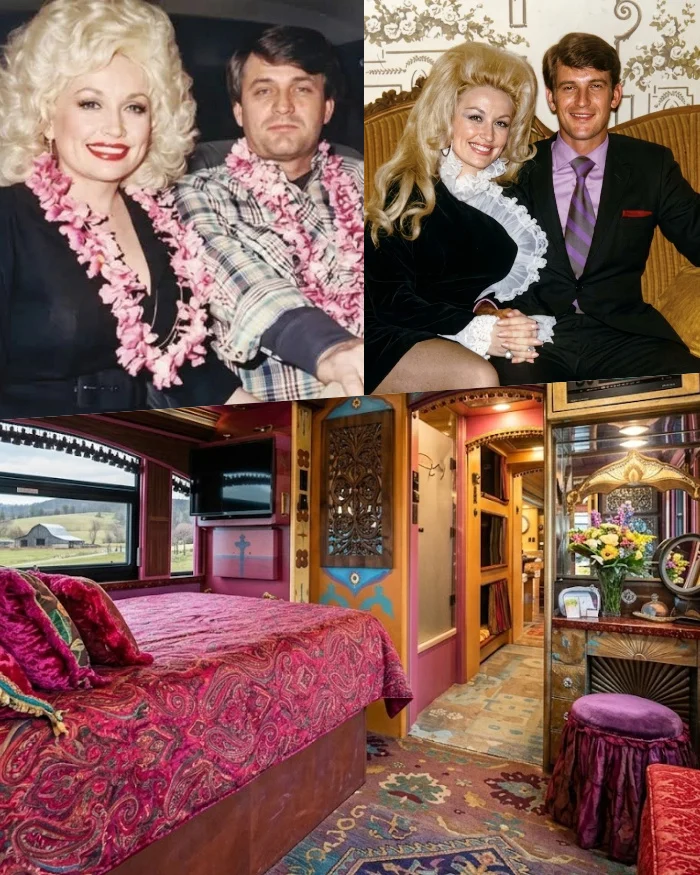
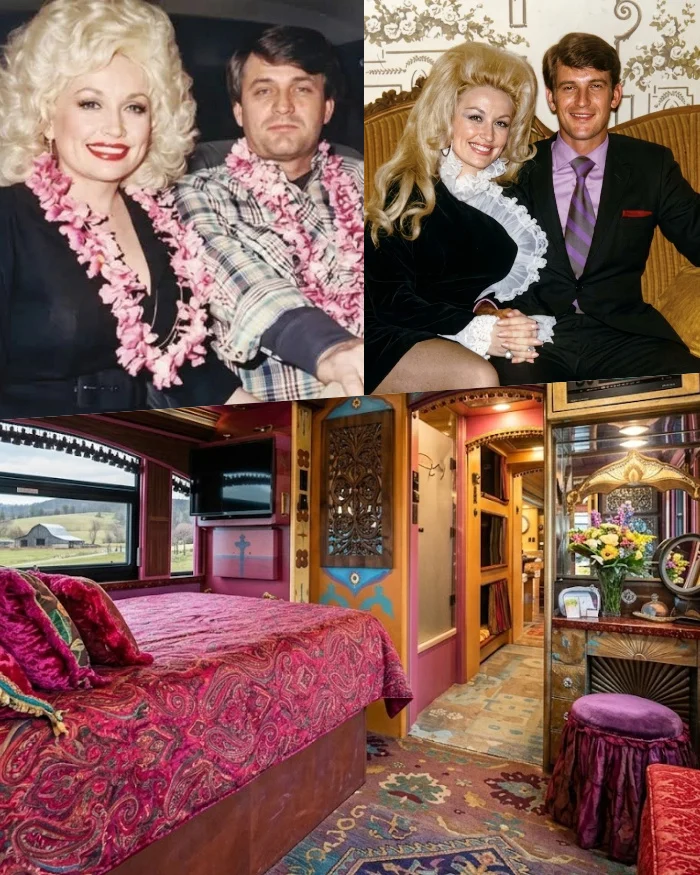
The most romantic ride of Dolly Parton’s life never had a red carpet. It had a passenger seat, a plain baseball cap, and a husband named Carl Dean at the wheel. Long after Parton became a global superstar, the couple’s favorite escape was a modest camper rolling through rural Tennessee and neighboring states, a moving sanctuary where fame could not follow.
Their story began before the camper. In 1964, on her first full day in Nashville, an eighteen-year-old Parton stood outside the Wishy Washy Laundromat on 16th Avenue South with dirty laundry and large ambitions. Carl Dean, then twenty-one, drove past in a white Chevrolet pickup, turned around, and started an easy sidewalk conversation while her clothes tumbled dry.
Two years later, on Memorial Day in 1966, they slipped across the Georgia state line to Ringgold and married in a small Baptist church. Only Parton’s mother, Avie Lee, and the pastor’s wife were with them.
From that afternoon forward, the couple drew a deliberate line around their domestic world. Parton’s public profile surged through television appearances and international tours. Dean built a quiet career running an asphalt-paving business based in Nashville. He attended one formal industry dinner early in her career, walked through the flashbulbs, and made a clear decision on the drive home. He loved his wife and supported her work, but he had no desire to enter the machinery of celebrity.
Their everyday life unfolded on a sprawling, secluded farm outside Brentwood, Tennessee. Rolling tree lines and security gates shielded the property, giving Parton an ordinary home to return to after weeks of touring. When she stepped through the door, the towering wigs, heavy stage makeup, and custom rhinestones went onto stands and shelves in a dressing room. Around the kitchen, she wore loose house clothes, scrubbed her own counters, and cooked the Southern meals she had learned to make in the Great Smoky Mountains.
Dean spent his mornings working around the farm, tending equipment, clearing fences, and maintaining the grounds in worn denim shirts. When the couple wanted to travel, they bypassed commercial airports and chartered buses. Instead, they loaded an unassuming camper and took off along two-lane state highways where nobody expected to find an international superstar.
Dean handled the driving, steering through small towns across middle Tennessee, northern Alabama, and the foothills of the Appalachians. Parton rode beside him in the front passenger seat, pulling a simple baseball cap or scarf low over her forehead. They avoided reservation-only dining rooms and fine hotels, choosing instead to pull into roadside fast-food drive-thrus. Dean would roll down his window to order burgers or tacos while Parton slipped low into the passenger seat to avoid drawing the counter clerk’s gaze.
In the evenings, they pulled the camper into modest state park campsites or parked in open clearings near mountain overlooks. Dinner was often picnic-style on a fold-out table, followed by quiet evenings listening to local radio stations or reading until dusk settled over the ridge lines. For decades, those weekend escapes served as their primary sanctuary, offering unbroken privacy without security guards or tour schedules.
That small rolling space gave them a private world fame could never reach.
At home, their shared traditions remained equally grounded. Anniversaries were celebrated with home-cooked dinners, quiet drives through Williamson County, or weekend picnics rather than lavish banquets. Dean regularly surprised his wife with wild mountain flowers he picked along fence rows, while Parton wrote letters and cooked his favorite dishes when she was home from long studio sessions.
When the couple marked their fiftieth wedding anniversary in 2016, they returned to their original rhythm. Instead of throwing a large public gala, they held a small vow renewal ceremony at their home, sharing the milestone entirely on their own terms.
For all the records sold and stadiums filled across six decades, the center of Parton’s personal world stayed tied to that unpretentious routine. She remained the woman who traveled gravel back roads in a passenger seat, sharing simple meals with the man who had pulled his truck over to say hello on an ordinary Nashville sidewalk.