
In the early 1980s the phones at the 9to5 national office rang with women crying in relief. They had just heard a country-pop anthem on the radio and realized that the daily humiliations they endured behind office doors were not private failures. They were part of a shared national struggle.
That emotional surge did not begin with a Hollywood hit. It began in Boston where a group of frustrated secretaries had already spent years challenging unequal pay pregnancy discrimination and the routine treatment of female clerical workers as invisible office wives. Women who ran corporate offices were expected to fetch coffee pick up dry cleaning and buy anniversary gifts for their bosses’ spouses while enduring systemic pay gaps and overt harassment. There were no human resources departments waiting to help and pregnancy often meant immediate dismissal.
In 1973 Karen Nussbaum and Ellen Cassedy two clerical workers at Harvard University decided to challenge the system. They handed out newsletters held informal meetings and built the 9to5 National Association of Working Women. The group demanded basic labor rights fair compensation and real paths for professional advancement.
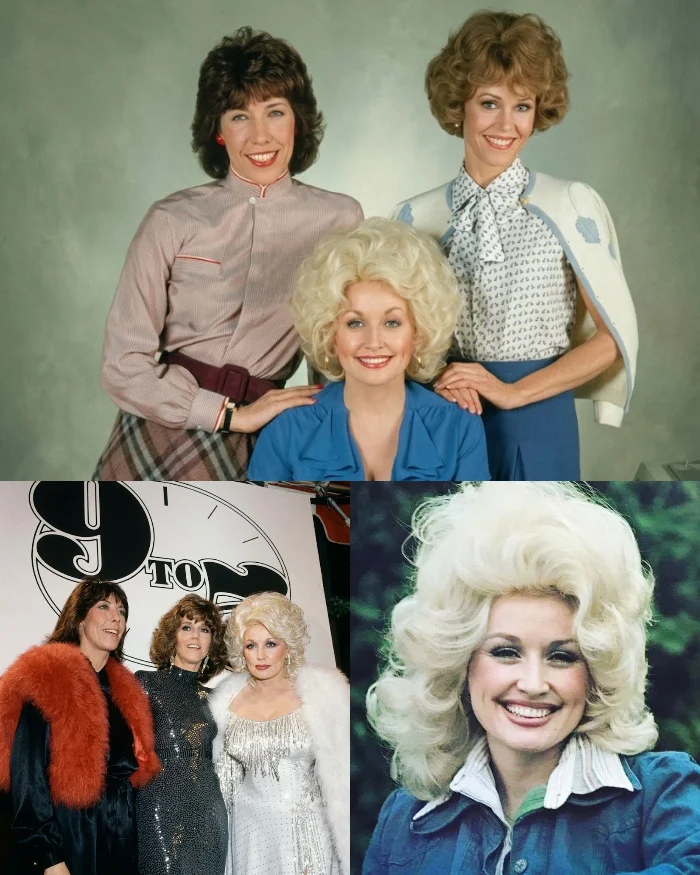
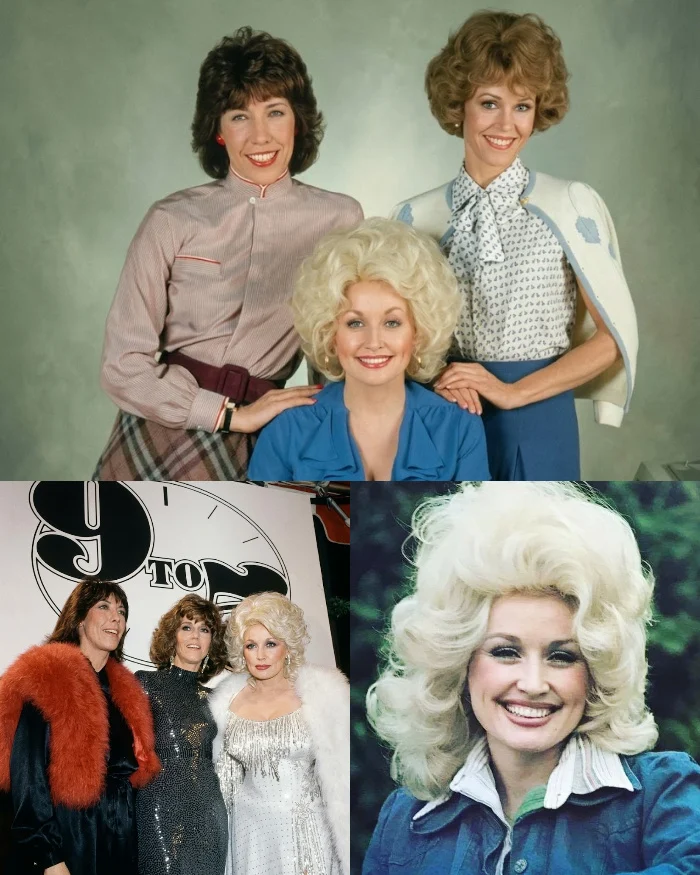
Their localized fight caught the attention of actress Jane Fonda a friend of Nussbaum. Fonda saw the cinematic potential in the movement and began developing a workplace comedy that would bring the daily humiliations of clerical work to a mainstream audience. To help the film resonate across Middle America she recruited Lily Tomlin and Dolly Parton to co-star.
Parton accepted the role on one condition. She wanted to write the title track. During production of the 1980 film she did more than memorize dialogue. She observed the environment and listened to real typists and secretaries. She absorbed their frustration over male supervisors taking credit for their ideas and the structural barriers that kept women from climbing the corporate ladder.
Using her acrylic nails to mimic the rhythmic clicking of a typewriter Parton engineered a relentlessly upbeat country-pop melody. She took the bitter exhaustion of corporate exploitation and wrapped it in a highly accessible arrangement.
The movement suddenly had an infectious chart-topping anthem.
When the film and its companion soundtrack arrived the impact on the real-world 9to5 organization was explosive. Across the United States female workers carried portable radios onto picket lines and played Parton’s voice during labor strikes and protests. The national 9to5 hotlines were overwhelmed with calls from isolated office workers who were crying in relief and realizing for the first time that their daily struggles were part of a massive shared experience.
The legacy of that mobilization reached far beyond box office receipts and Billboard charts. The momentum generated by the organization and amplified by the film and song forced corporate America into a reckoning.
The 9to5 movement officially partnered with the Service Employees International Union to form District 925 giving clerical workers actual collective bargaining power for the first time in American history. Throughout the 1980s the heightened public awareness helped accelerate sweeping legislative and cultural changes. Companies faced pressure to dismantle discriminatory dress codes and overhaul hiring practices.
The public discourse also pushed the legal system to confront workplace abuse. Years of relentless campaigning by labor advocates culminated in a landmark 1986 Supreme Court ruling that officially recognized sexual harassment as a violation of federal civil rights laws.
Parton was not a political organizer but she understood the power of empathy. By delivering the message through a danceable mainstream country record rather than a rigid political speech she bypassed the defenses of the general public. She took the most overlooked and undervalued demographic in the American workforce and validated their anger while giving them a reason to stand up straight.
The activists on the ground secured those hard-won rights but the momentum was permanently accelerated by a songwriter who simply listened to their exhaustion and gave them a rhythm they could march to.
The legal victories of the 1980s fundamentally transformed the modern office and turned clerical work from a subservient role into a legally protected profession. The fight was never only about a song. It was about recognition dignity and the right to be seen.