
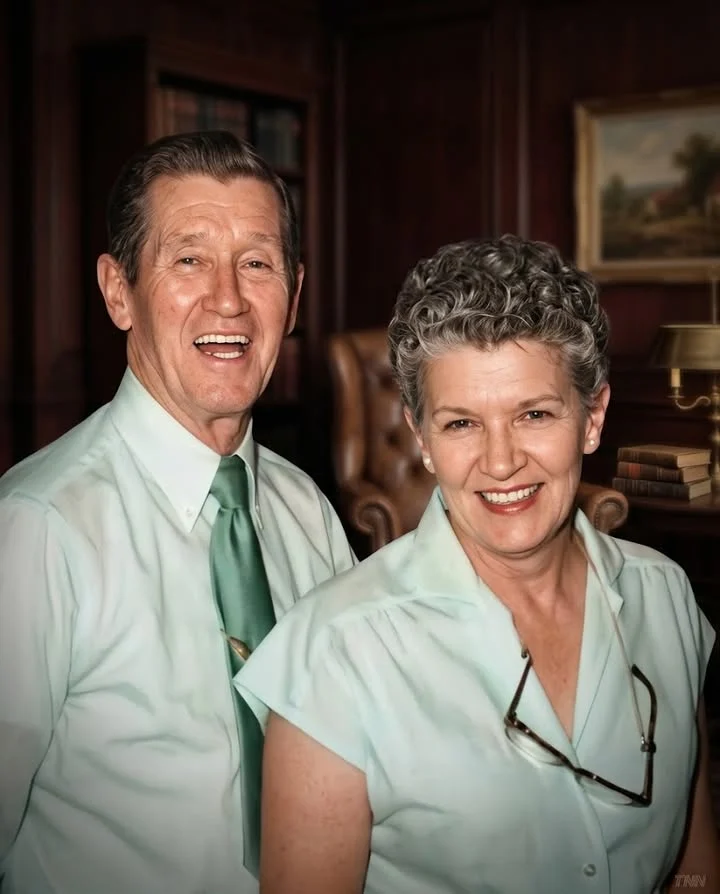
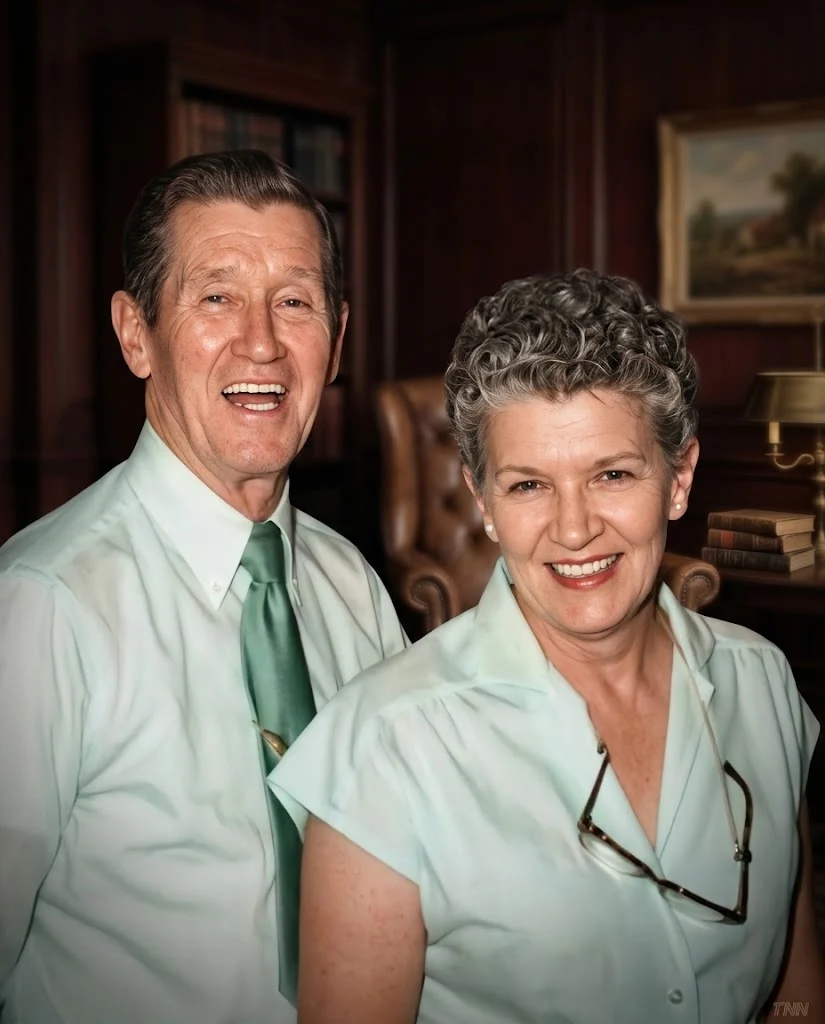
For nearly a decade, the most familiar sound outside Roy Acuff’s front door was not silence. It was the laughter of families, the hum of park crowds, and the distant promise of a fiddle tune waiting on the Grand Ole Opry stage.
That porch did not exist by accident. After Mildred Acuff passed away on June 17, 1981, the silence in their Nashville home became unbearable for the longtime Grand Ole Opry star. Their forty-five years together had been a partnership of music and business. Mildred balanced road receipts, managed band budgets, paid the Smoky Mountain Boys, and kept Roy anchored while he commanded the stage. Without her, every room carried a memory, and living alone in the house they had shared felt too heavy to carry.
Roy was seventy-seven and had spent decades as one of live radio’s biggest personalities. He loved crowds, conversation, and the constant motion of people. Friends and Opry leadership watched him drift into deep isolation. Polite visits were not enough. The organization made an unprecedented decision. It arranged land and financed the construction of a small custom house inside the Opryland USA theme park grounds in Nashville.
Completed in the early 1980s, the home sat just a short walk from the Grand Ole Opry House. Roy packed his bags, his weathered fiddle, and black-and-white portraits of Mildred. Then he settled into the middle of the music park. He could step off his front porch, wave to visitors passing by, and take a quick stroll or a small golf cart ride straight into the backstage dressing rooms. The bustling grounds surrounded him with life again.
Instead of sitting in an echoing living room, Roy spent his final decade watching families stroll by. He visited with younger artists such as Ricky Skaggs, Vince Gill, and Garth Brooks. He walked onto the Opry stage whenever the music called. The little house in Opryland kept him moving forward until his death on November 23, 1992, at age eighty-nine. He was surrounded by the only community that could help him carry that quiet grief.
The blueprint choices, private lease agreements, and personal memorabilia he preserved inside those rooms remain an intimate part of Opry history. The Grand Ole Opry had given Roy Acuff worldwide fame and a timeless title. In the end, the community gave him something far more precious.
The Opry had given him fame, but in the end it gave him something more precious, a porch where an aging fiddle player could look out at the world and never feel alone.