
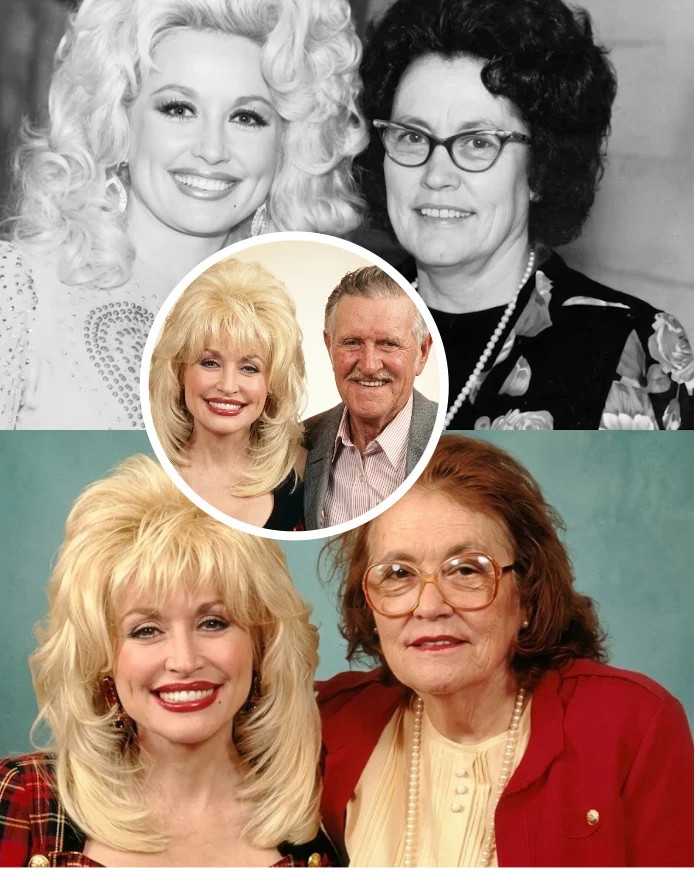
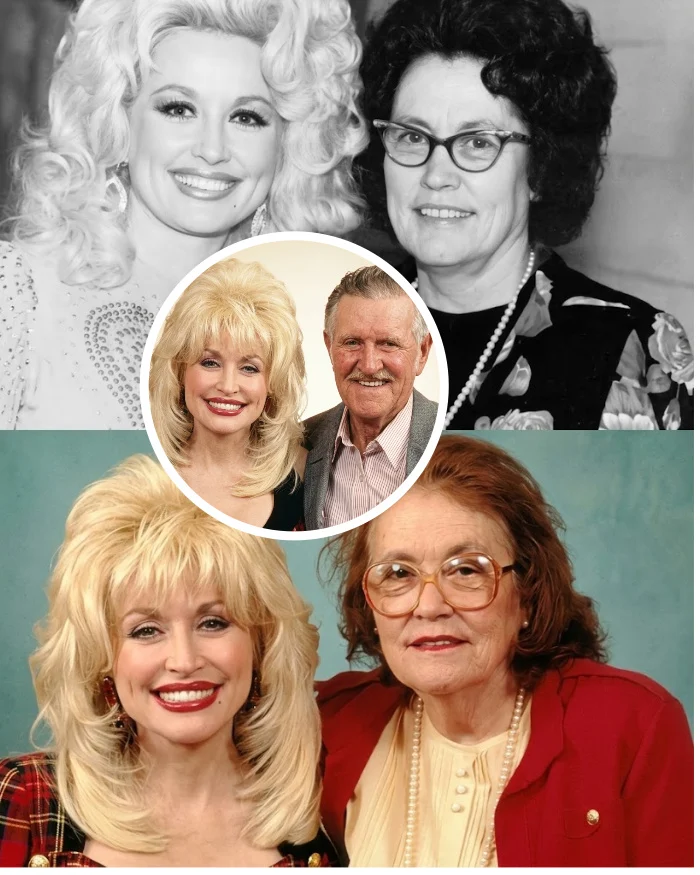
The warmest coat Dolly Parton ever wore was stitched from scraps by a mother who had no money but an abundance of love. That single winter gift, made by Avie Lee Owens Parton in a one-room cabin in Locust Ridge, Tennessee, became the seed of a song and a lifelong lesson in dignity.
Before the rhinestones, arena tours and country music awards, Dolly’s first harmony rose from the Great Smoky Mountains. Avie Lee married Robert Lee Parton at fifteen and raised twelve children along the Little Pigeon River without electricity, running water, indoor plumbing or modern medicine. Her hands were rough from cold creek water and cornmeal, and her days were measured in homemade lye soap, wild mountain herbs gathered for illness and small-farm rations stretched to feed a crowded home.
Music filled that drafty cabin even when money did not. Avie Lee sang Elizabethan ballads, traditional Celtic folk songs and Old Regular Baptist hymns from memory while tending the cast-iron stove. On cold East Tennessee evenings she gathered her family around the hearth and woodstove to teach harmony, ancient modal scales and vocal phrasing. Long before Dolly reached a Nashville studio microphone, her breath control, inflection and mountain vibrato were patterned after her mother’s voice.
The defining moment came during a harsh mountain winter when a neighbor delivered a box of discarded fabric remnants. Dolly needed a warm coat for school, but there was no money for fabric or a readymade garment. Under a kerosene lamp, Avie Lee sorted colorful corduroy and cotton scraps and sewed them together patch by patch with meticulous needlework.
As she stitched, she told Dolly the Old Testament story of Joseph and his coat of many colors. She turned the handmade patchwork into an emblem of devotion and taught her daughter that true worth came from inner dignity rather than material wealth. When classmates teased Dolly at school, she came home anchored in a deeper understanding.
Love had made her rich.
That afternoon at the kitchen table became the foundation for Dolly’s 1971 signature masterpiece Coat of Many Colors, a narrative track celebrating parental love, self-respect and Appalachian resilience that redefined storytelling in American country music. The lesson shaped Dolly’s songwriting and public character across six decades of fame.
As Dolly moved from regional radio spots in Knoxville to the Grand Ole Opry and international stardom, Avie Lee remained an unassuming presence in Sevier County. She cared for family and kept scrapbooks of her children’s milestones, unswayed by celebrity. Dolly preserved early family keepsakes, community recordings and cassette tapes of her mother’s mountain singing, often pointing to those recordings as the genuine archive of her artistic heritage.
In December 2003, Avie Lee Parton passed away at age 78 at Fort Sanders Regional Medical Center in Knoxville, Tennessee, just three years after the loss of her husband, Robert Lee. She spent her entire life rooted in the Great Smoky Mountains and lived long enough to watch the kitchen-table music carry her daughter to the Grand Ole Opry and global stages.
The most enduring voices in American music are born from mothers who turn humble beginnings into dignity.