
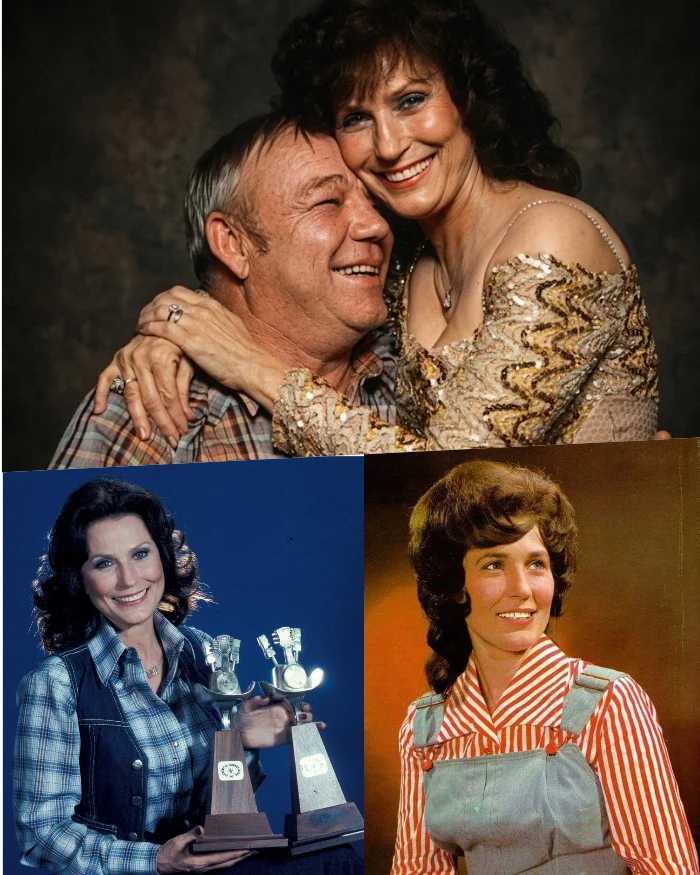
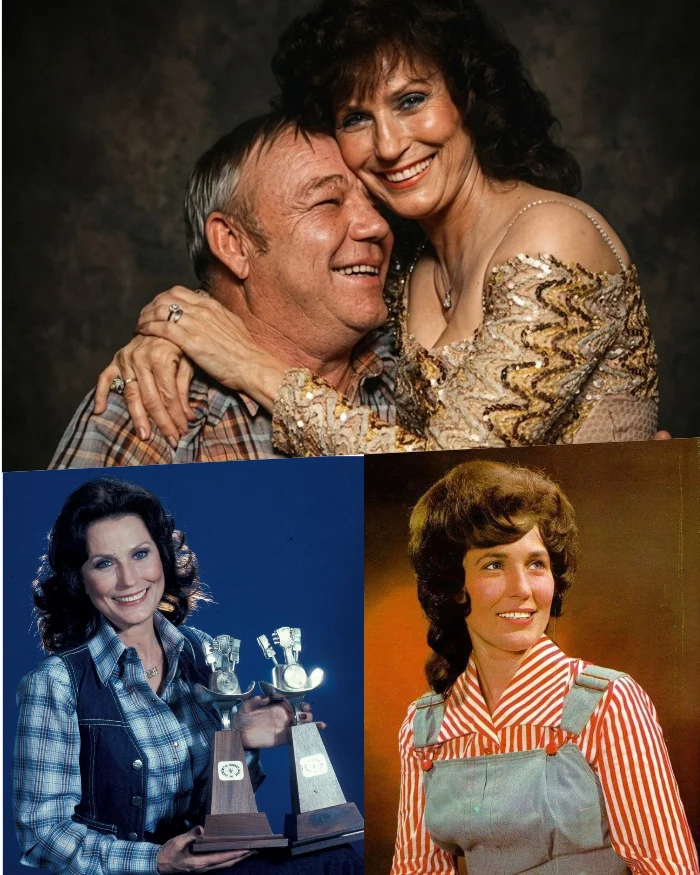
The kitchen went still except for the soft drip of warm creamed corn sliding down Oliver “Doo” Lynn’s face. In that stunned silence, a young Loretta Lynn drew a line her husband never forgot.
Long before she defended working women on record, Loretta was a teenage bride in the lean early years of a marriage that began in January 1948 before she turned sixteen. She was raising babies in isolated rentals while Doo worked long hours in logging and timber.
Money was scarce. Doo’s heavy drinking and open infidelity kept their small households tense. He was used to having the final word, and he expected his young wife to swallow her anger in silence.
One evening the tension reached the stove. Loretta was cooking dinner when an argument escalated. Doo pressed his temper and insulted her. The petite mountain woman did not back away. She grabbed the skillet of piping hot creamed corn and poured it straight over his head.
Doo stood dripping in warm corn, completely taken aback by a wife who refused to play the quiet victim.
Born the daughter of a hard-working coal miner in Butcher Hollow, Kentucky, Loretta carried the unyielding grit of Appalachian women who knew how to stand their ground. That kitchen confrontation marked a permanent shift. Doo never forgot it. Their marriage would never be peaceful, but it would never be one-sided either.
Their decades together were forged in fiery blowouts and quiet truces. Reconciliation rarely came as a formal apology. It came through practical teamwork, shared humor over morning coffee after a fight, and Doo’s relentless drive to push Loretta’s talent forward.
Even when his reckless habits broke her heart, Doo recognized her singular gift. He bought her first seventeen-dollar guitar. He drove her to remote radio stations across the country. He badgered disc jockeys until they played her records.
Loretta never hid the bruises or the heartaches. She turned that kitchen grit into songs that shattered Nashville conventions and spoke directly to women who knew the sting of infidelity and hard-living husbands. She wrote about cheating, fighting back, and claiming respect with an honesty the genre had never heard.
Those unapologetic anthems about womanhood and domestic survival were not studio fabrications. They were lived experience, tested over years of turbulent partnership. Loretta and Doo stayed together for nearly five decades until his passing in 1996, bound by a fierce and complicated devotion that outsiders struggled to understand.
The boiling corn in that early kitchen never signaled the end of a marriage. It announced the arrival of an unbreakable woman whose refusal to be silenced eventually gave millions of ordinary listeners a voice of their own.