
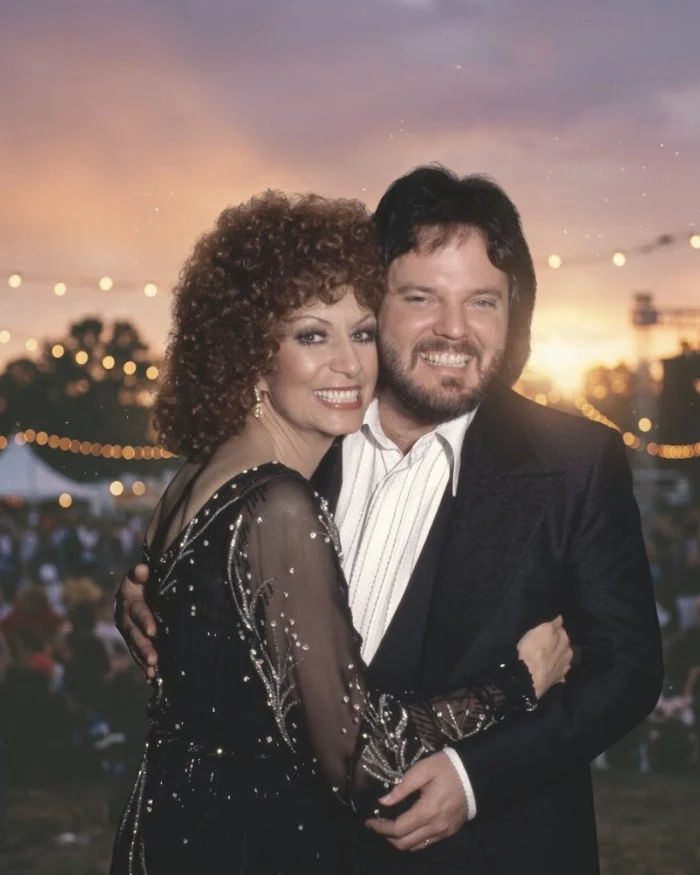
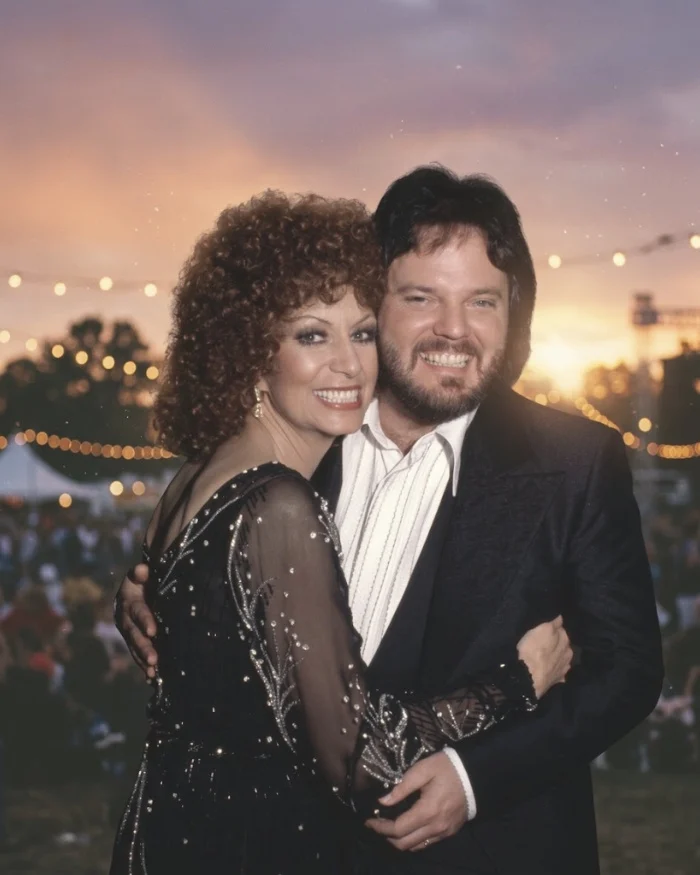
The gavel came down in 1980 and country music star Dottie West did not simply walk away from a broken marriage. She walked away with a bill. The court ordered her to pay her second husband, drummer Byron Metcalf, $55,000 in a cash settlement and $10,000 toward his legal fees, a total of $65,000 for the freedom she had earned.
Metcalf was twelve years her junior. For nearly a decade he played drums on her tours while West worked relentlessly to keep the music profitable and the shows moving. Behind the applause, the marriage was being torn apart by his chronic substance abuse and infidelity, much of it unfolding in the close quarters of life on the road. West kept the betrayal quiet and kept working.
When the divorce was finalized, the financial punishment felt like a final insult. The singer who had carried the marriage and the band was now paying the man who had helped wreck it. Her frustration broke through in front of the press.
I worked hard, and he didn’t.
That blunt sentence captured the injustice. Yet the $65,000 did not become the end of her story. It became a ransom for a new chapter. West refused to let the courtroom humiliation define her future and instead poured her independence into the most successful and creatively vibrant era of her recording career.
In 1980, the same year her marriage ended, she released A Lesson in Leavin’. The upbeat pop country crossover track matched her liberated reality and dominated the airwaves. After almost two decades in the industry, it gave West her first solo number one hit. She followed it with the album Wild West and another chart topping single, Are You Happy Baby?, in 1981.
The studio became a place of reinvention. The melancholy of her earlier work gave way to a confident, driving energy. West was no longer only the Nashville veteran singing about heartbreak. She was a contemporary star delivering anthems of survival and self reliance.
Free from the emotional weight of a toxic marriage, she transformed her touring life and public image. Approaching fifty, an age when the country music establishment often pushed women toward quiet maternal roles, West leaned into bold glamour. She swapped modest gingham dresses for custom Bob Mackie stage gowns, tight spandex, and dramatic shoulder pads. Her live shows gained a fierce theatrical presence.
Her touring schedule expanded to a scale she had never known. Paired with longtime duet partner Kenny Rogers, who had helped spark her crossover appeal in the late 1970s, West began co headlining massive stadium tours. The cramped buses and turbulent road trips with a husband who was breaking her heart were gone. In the early 1980s she traveled by private jet and played sold out arenas holding tens of thousands of fans. Night after night she commanded huge stages and proved her career could reach new heights without the man who used to play drums behind her.
The financial blow of 1980 had threatened to crush her spirit, but it became a catalyst instead. The $65,000 she surrendered in court turned into a footnote beside the success she generated on the road and in the studio. She built a new empire on her own terms, powered by a modern sound and a fearless stage persona.
She had been forced to pay a heavy price to a man who tore their marriage apart. But when she stepped into arena spotlights in the years that followed, glittering in Bob Mackie gowns and singing her solo number one hits, West made one thing clear. Buying her freedom was the best investment she ever made.