
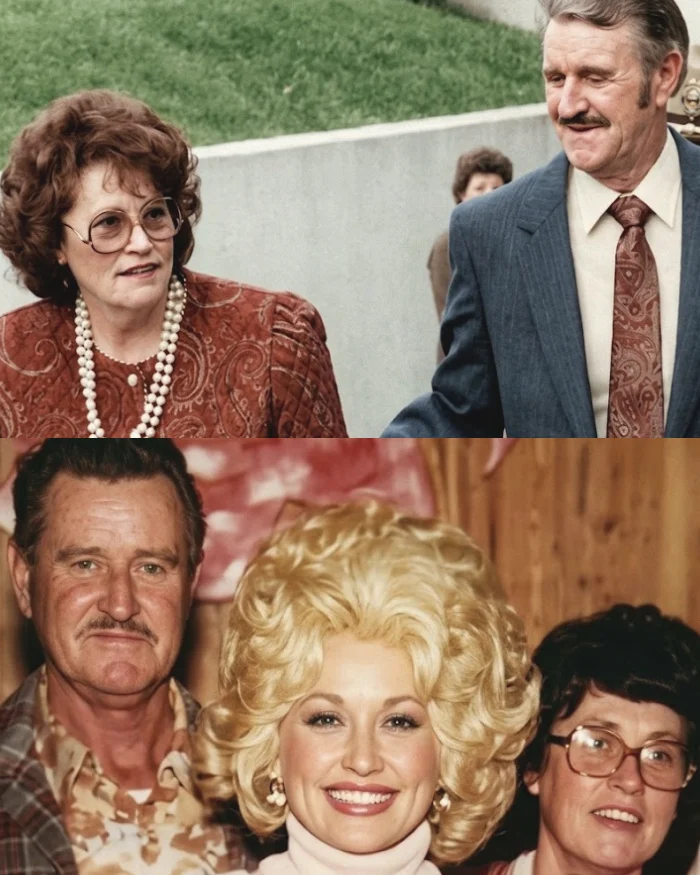
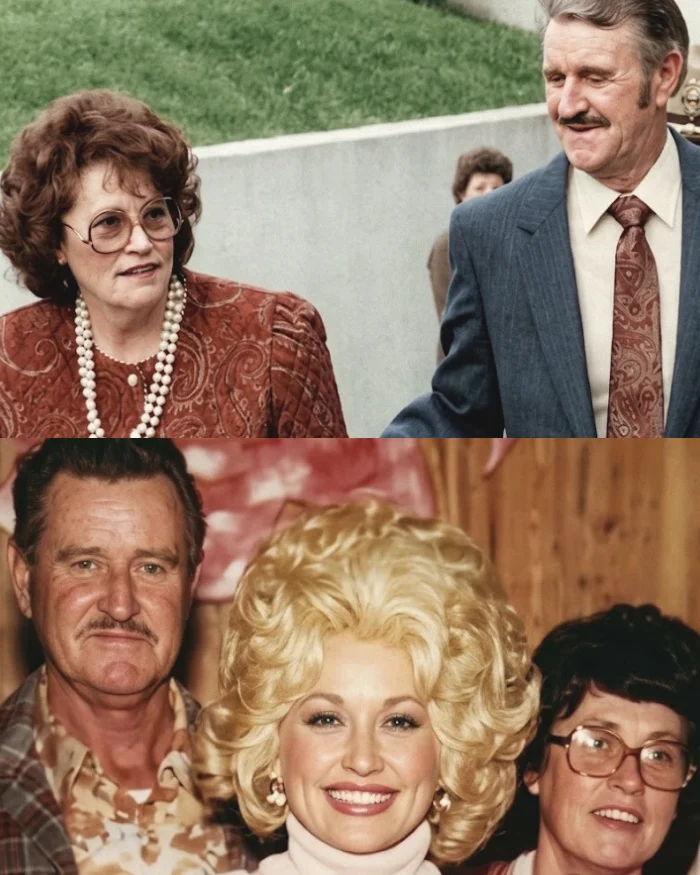
Robert Lee Parton did not drift toward the new sofa or the polished table. He walked into the bathroom, gripped the metal tap above the sink, and turned it. Hot water poured into the basin without a wood fire, without an iron kettle, without a cold trip to the creek. The weathered mountain farmer stood in silence. Then he broke down in tears and held his daughter close.
That moment arrived in the late 1960s after Dolly Parton had scored her first national television appearances and chart successes. She took her early earnings and bought her parents a modern, fully furnished red-brick home in Sevierville, Tennessee. For Parton, the house was not a trophy of Nashville fame. It was an answer to the bitter frost of Locust Ridge.
For decades the family had survived in a cramped cabin in Locust Ridge. Winters meant breaking the frozen surface of a creek just to haul buckets of water back for cooking and washing. Her father, Robert Lee Parton, had spent his life coaxing a living out of hard mountain soil. He worked grueling hours without complaint to keep twelve children fed. He could not read or write, yet he carried the weight of the household on his calloused hands.
When Parton walked her parents through the front door, her father moved quietly into the new bathroom and stopped. He reached forward and turned the handle on the sink. Steaming hot water poured steadily from the tap. No one had split stove wood before dawn. No one had broken creek ice with an axe. The quiet, stoic man wept.
He told his daughter that as an illiterate farmer who had known only backbreaking labor, he had never imagined a life with such ease under his own roof.
For Dolly, that bathroom faucet meant more than any trophy or gold record Nashville could hand her. The running water washed away generations of cold Appalachian winters. Her breakthrough had finally become the one thing she wanted most, relief for the hands that built her.
Her early success alongside Porter Wagoner on national syndication brought steady royalty checks. While industry peers leased luxury tour buses and bought estates outside Nashville, Parton drove east toward the Great Smoky Mountains. She wanted to dismantle the daily grind of an impoverished childhood, not decorate her own fame.
That house marked the beginning of a deliberate, lifelong campaign to lift her extended household out of financial peril. Parton did not simply send occasional allowance checks back to Sevier County. She structured her growing business operations to make her relatives self-sufficient. As her younger brothers and sisters grew up, she brought several of them to Nashville. She paid for high school and college tuition, covered medical expenses, and set up living quarters so they could focus on careers rather than survival.
When she spotted musical talent in her family, she provided practical work rather than handouts. Her sister Stella carved out a successful solo recording career. Her younger sister Rachel joined her on screen and on the road. Her brother Randy was hired to play bass guitar in her touring band. Her brother Floyd collaborated with her as a songwriter and eventually penned hits like Rockin’ Years. Parton placed family members on her payroll as road crew, background vocalists, and office staff. The wealth generated by her voice supported the people who had shared cramped beds in the mountains.
Decades later, that protective instinct expanded to the entire county. When she opened Dollywood in Pigeon Forge in 1986, her business plan was explicitly tied to local economic revival. The park created thousands of seasonal and permanent jobs in an area that had long suffered from Appalachian underemployment. When she noticed high dropout rates among local teenagers, she launched the Buddy Program in county schools. She personally pledged cash rewards to students who stayed in class and graduated together.
Robert Lee lived to see his daughter become an international icon, headlining arenas worldwide and building an entertainment empire. Yet until his death in 2000, he continued to live quietly in Sevier County. He drove the practical pickup truck Dolly bought him and tended a small vegetable garden beside the brick home.
For Parton, the gold records, national awards, and global fame remained secondary to what happened inside that bathroom in the late 1960s. Every stage she stepped on and every contract she signed was tied directly to the memory of a father’s calloused hands turning a faucet, finally finding rest from the cold.