
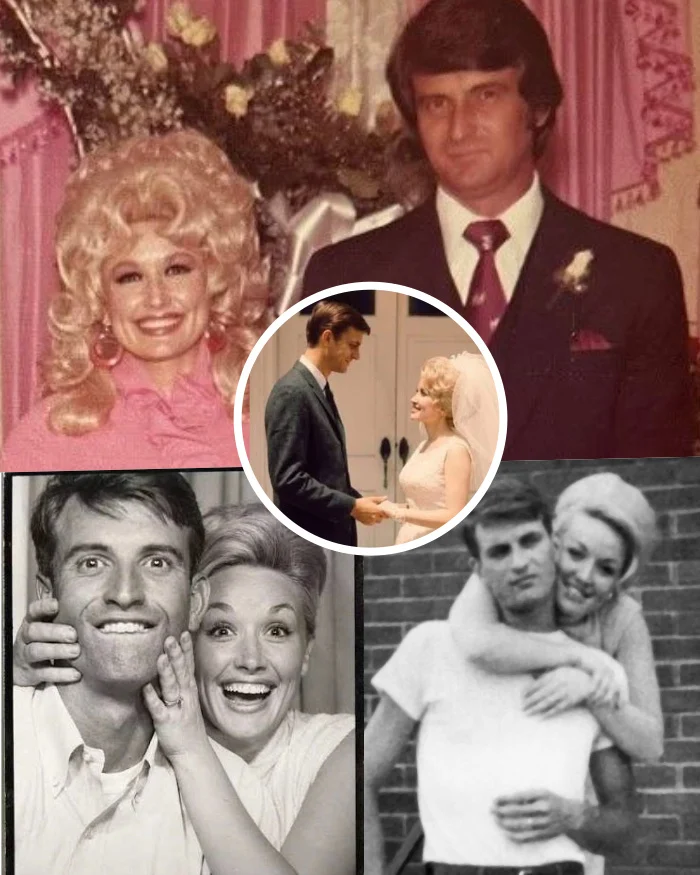
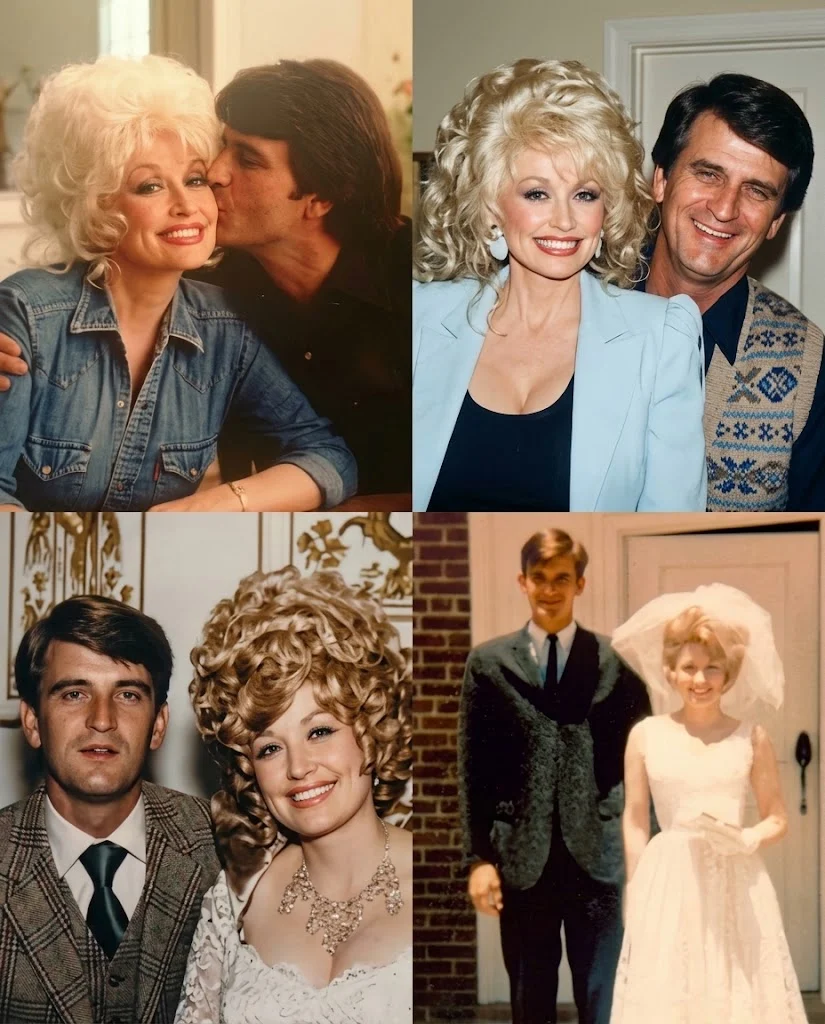
The last songs Dolly Parton recorded were never meant for a stage, a radio station, or a streaming queue. They were meant for Carl Dean.
For more than six decades, Dolly Parton recorded in celebrated studios in Nashville, Los Angeles, and London. Her voice became part of American music history. But in the quiet of her later years, she created her most personal work alone inside a private room on her Brentwood, Tennessee estate.
She did not call producers. She did not bring in engineers or session players. In the late afternoons, when the property grew still, she turned on basic recording equipment herself and sat with an acoustic guitar. The tracks held only her aging voice and spare chords. Every raw pause, imperfect breath, and trembling vocal break stayed exactly as she recorded it.
The sound carried her back to the mid 1960s. Before the world knew her name, she sang simple melodies beside Carl Thomas Dean’s white pickup truck outside a Nashville laundromat. Carl spent their fifty plus year marriage avoiding the music industry. After one formal banquet in the late 1960s, he never walked another red carpet. He ran an asphalt paving business and gave Dolly a steady foundation without asking for the spotlight.
She gave almost every part of her voice to the world, yet she kept this final collection entirely for the man who loved her before the fame.
When word of the private sessions moved quietly through industry circles, major labels came with lucrative offers. They wanted to package the recordings as a historic farewell album. Dolly refused every proposal without hesitation.
She placed the master tapes, early takes, and handwritten lyric sheets inside a secure safe on her estate. Her estate planning documents include explicit legal directives and binding copyright restrictions. Those provisions forbid commercial distribution, public streaming, and any posthumous release. No executive or future catalog administrator can override her wishes.
The recordings were never designed as an intellectual property asset or a delayed revenue stream. They were a private conversation between a wife and the husband who anchored her life.
Dolly shared her talent generously with global audiences. She donated millions to literacy programs, disaster relief, and medical research. But behind the gates in Brentwood, she reserved one sacred collection of music for Carl Dean.
To generations of listeners, Dolly remains an enduring symbol of American country music. Yet in that quiet room, she made something more lasting than a chart topping record. She kept a final unbroken promise away from the world.