
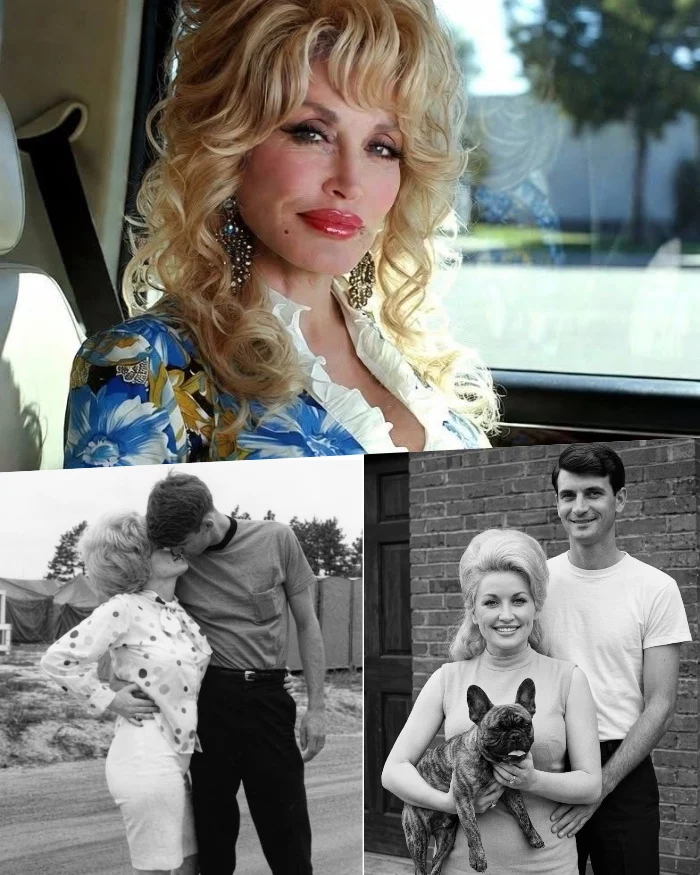
The mailbox became her nursery. Every month, a small package arrives with a child’s name printed on the label. Inside is a free book, chosen for a young reader, sent by a woman whose own medical story once seemed to close the door on motherhood. That woman is Dolly Parton, and the delivery is her quiet answer to a heartbreak that began in 1984.
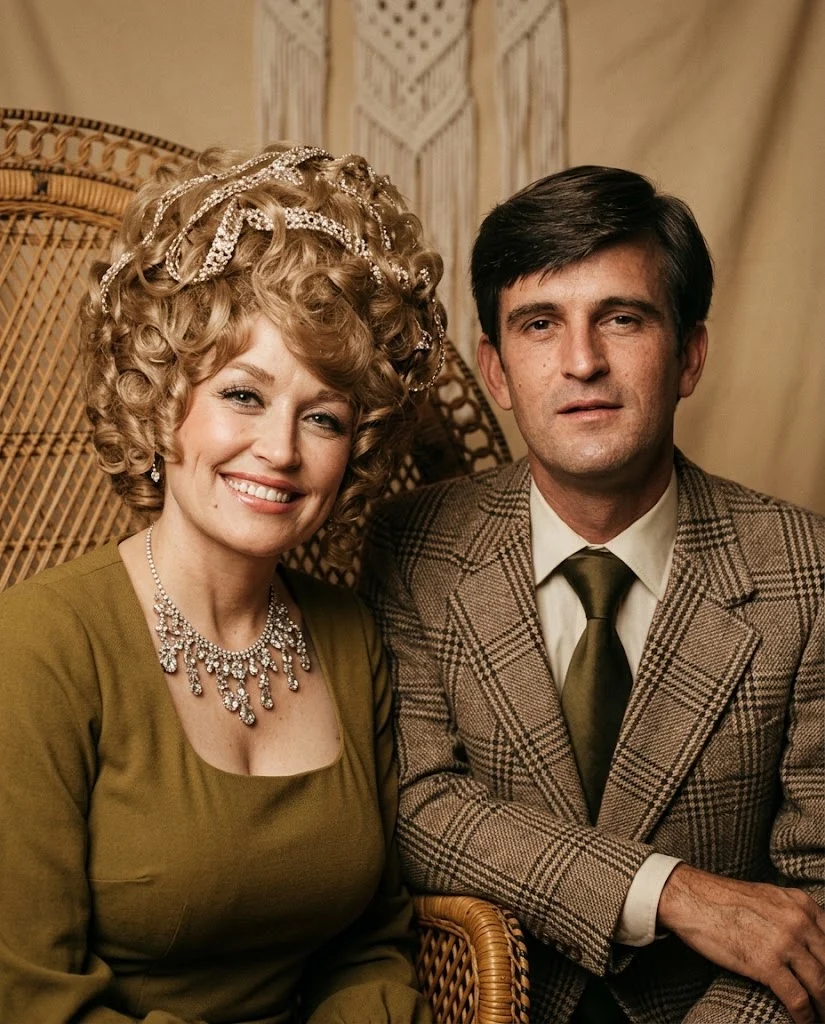
By the mid-1980s, Parton stood at the peak of a crossover career. She was starring in Hollywood films, filling concert stages, and dominating radio. Behind the lights, she was enduring severe pain from endometriosis. After years of suffering, doctors advised a partial hysterectomy. She was 38 years old. The surgery brought a finality that shook her. For a woman raised in a crowded Smoky Mountain cabin helping to raise a dozen younger siblings, the loss of a dreamed-for family triggered deep depression. Her husband Carl Dean stayed close through those quiet months away from the stage.
“Their family of two was already complete,” Carl Dean assured her.
Parton did not let the medical record erase her maternal drive. She never sat in her own nursery to read a late-night story. Instead, in 1995 she launched the Imagination Library in Sevier County, Tennessee. The program was built to honor her father, Robert Lee Parton. A hardworking sharecropper, he had never been given the chance to learn to read or write. The idea was simple and ambitious. Enrolled children would receive one high-quality free physical book each month from birth until their fifth birthday, regardless of family income. At first the effort stayed local, a homegrown gift for children in her rural hometown.
Her father lived long enough to see early success. He told her that hearing local children call her the “Book Lady” was the proudest moment of his life.
“Book Lady” became a title more precious than any stage name.
Scaling a Tennessee charity into an international operation took years of untelevised work. The breakthrough was a replicable self-sustaining blueprint. The foundation negotiated bulk pricing with major publishers, managed centralized mailing databases, and assembled educator panels to choose age-appropriate titles. Local community chapters raised the exact funds needed for wholesale books and postage. That behind-the-scenes framework let the program grow beyond the Smoky Mountains. It expanded statewide across Tennessee in 2004 and then crossed borders into Canada, the United Kingdom, Australia, and the Republic of Ireland.
The numbers are staggering. The program has run continuously for decades and has now mailed hundreds of millions of books. Yet the true weight sits in the tactile moment of delivery. A physical book arrives in the mailbox with the child’s specific name on the label. It is a continuous act of mothering by postal service, a tangible story to hold before bed.
Parton’s medical charts said she would leave no biological heir. She chose another legacy. Through paper, ink, and a refusal to let a closed door become the final chapter, she became one of the world’s great champions of early childhood literacy. The children who learn through her mailings are her true heirs.