
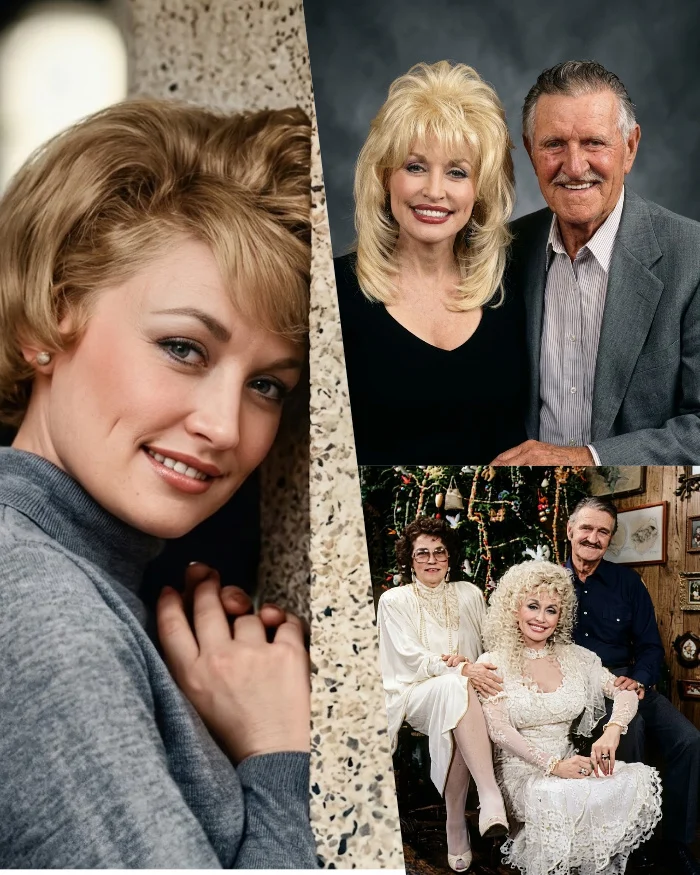
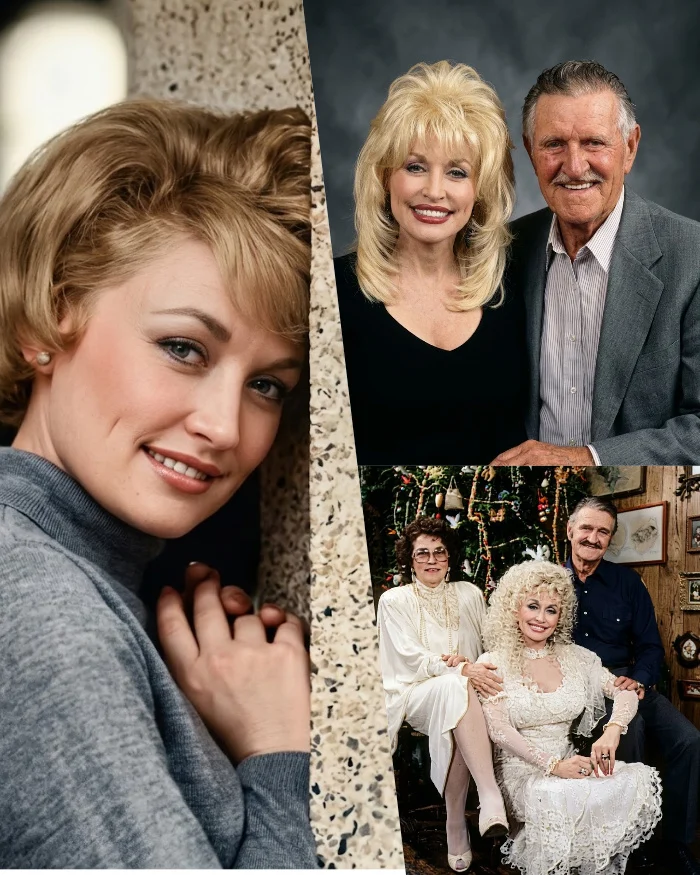
Millions flocked to the theme park gates, but late at night, the calloused hands of a father cleaned the name of his daughter in the dark.
In 1986, Dolly Parton opened Dollywood in Pigeon Forge, bringing thousands of jobs to the quiet mountain county where she grew up. In May 1986, Dolly Parton opened the gates of Dollywood in Pigeon Forge, Tennessee, transforming a modest regional attraction into a world class destination. The ambitious development, launched in partnership with the Herschend family who previously operated Silver Dollar City, aimed to revitalize the rural economy of Sevier County. Dolly insisted from early municipal planning sessions that the venture create permanent jobs for mountain neighbors rather than outside developers.
Tourists poured into Sevier County by the millions, driving past a massive sign along the parkway bearing her name in bold letters. The investment paid off immediately, drawing over 1.3 million visitors in its inaugural season along the Parkway. Towering above the main parkway stood a grand entrance sign spelling out her name in bold letters. Yet as politicians, tourism executives, and media crews gathered for ribbon cuttings, one vital figure stayed entirely away from the cameras.
While regional leaders celebrated the economic boom, the father of Dolly, Robert Lee Parton, stayed away from the ribbon cuttings and executive suites. He was an Appalachian farmer and laborer who spent his life raising twelve children without ever learning to read or write, and private comfort meant far more to him than public spotlights. The father of Dolly, Robert Lee Parton, had spent his life sharecropping tobacco and working construction. He was a proud mountain provider who had raised twelve children inside a drafty Locust Ridge cabin, navigating life without ever learning to read or write. Red carpets, luxury suites, and corporate speeches carried no value for a man who measured respect through hard labor and quiet integrity. While the public celebrated the empire of his daughter, Robert Lee observed the transformation from a comfortable distance.
Instead, Robert Lee had his own routine. Instead of attending corporate luncheons, he created an unannounced ritual of his own. Years earlier, when royalty checks first gave Dolly real financial footing and when the first substantial Nashville royalty checks of Dolly arrived, she bought her father a practical and sturdy blue pickup truck. Robert Lee took care of that vehicle with meticulous pride, using it to haul firewood, run gravel road errands, and visit relatives across the ridges. He maintained that truck for decades, using it for daily farm chores and gravel road errands.
Late at night, long after park visitors went home and highway traffic thinned and long after park gates closed, ride machinery fell silent, and tourist traffic on the Parkway disappeared, that same blue pickup pulled quietly up beside the dark entrance sign and pulled onto the shoulder near the entrance. Stepping out into the cold mountain fog, Robert Lee unloaded a small bucket of water and a rag. The mountain fog hung thick across the foothills as Robert Lee stepped down into the gravel, carrying a bucket of warm water and a worn cloth from home.
It rested on the devotion of an illiterate mountain farmer standing alone on the bed of an old truck, caring for the honor of his daughter long after the spotlights were turned off.
He climbed onto the truck bed and onto the bed of the pickup to reach the tall painted letters, carefully wiping away highway grit and dried mud. Though he could not decipher a newspaper or read a contract, his hands had known manual work since childhood, and he knew the shape of every letter that spelled the name of his daughter. He could not read a newspaper, yet his calloused fingers knew every curve of the letters spelling the name of his daughter. Working quietly under the glow of overhead highway lights and working alone in the dark, he scrubbed away road dust, exhaust soot, and splattered mud and polished the surface until the lettering caught the overhead lights, wiping each corner dry before returning home and making sure it stood clean before morning traffic arrived.
He never asked for compensation, never mentioned his visits to park staff, and never told Dolly what he was doing until years later. He simply wanted to ensure that when morning tour buses arrived from across the country, the name of the girl he had raised stood clean and dignified before the world.
Over the decades, Dollywood grew into one of the most celebrated theme park operations in the country, employing thousands of Appalachian residents and anchoring the hospitality economy of the region. Its corporate archives preserve property maps, blueprints, and municipal partnership agreements detailing how a local dream grew into an international landmark.
The partnership records behind the economic turnaround of Pigeon Forge and the early planning maps of the property tell the public history of the park, but those quiet midnight drives show the private foundation that held it up. Yet beyond the business contracts and the millions of tickets sold, the true foundation of the park was never purely commercial. It rested on the devotion of an illiterate mountain farmer standing alone on the bed of an old truck, caring for the honor of his daughter long after the spotlights were turned off.