
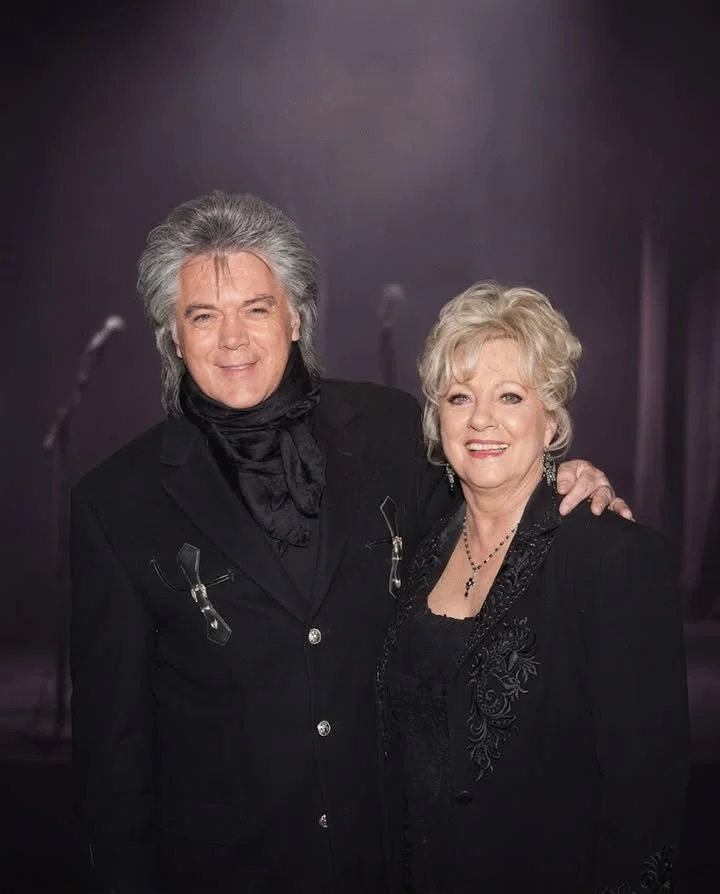
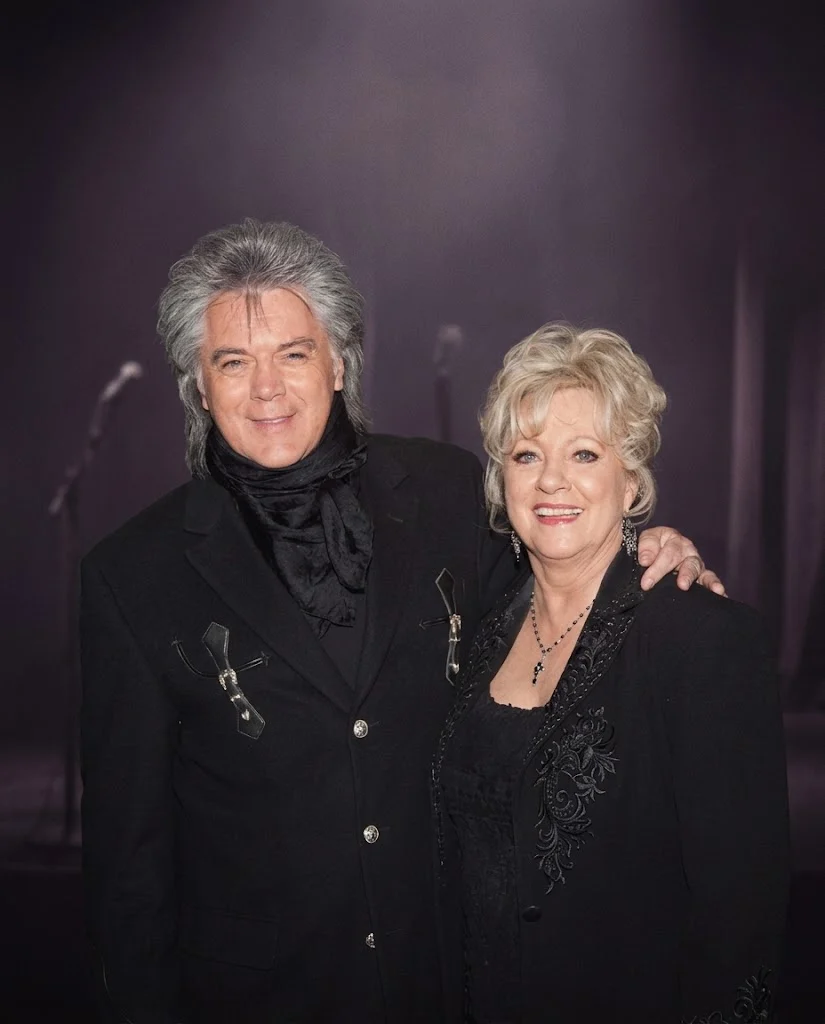
A 12 year old boy promised he would marry the star on stage, but 27 years later the actual ceremony unfolded in the quiet darkness of a South Dakota reservation.
Twenty seven years after a twelve year old boy at a Mississippi fairground promised his mother he would marry a country music star, the wedding finally happened far away from the Nashville spotlight. In the summer of 1970, Connie Smith arrived at the Choctaw Indian Fair in Philadelphia, Mississippi, already established as one of the most defining vocalists in traditional country music. Down in the audience stood a 12 year old boy named Marty Stuart, wearing a bright yellow shirt in a deliberate attempt to catch the eye of the singer. On the drive home that night, he made a quiet but absolute declaration to his mother that he was going to marry the star on the stage.
In the entertainment industry, childhood infatuations usually fade into forgotten trivia as artists grow up. But Stuart took a different route. Over the next two decades, he spent years on the road with bluegrass legend Lester Flatt and Johnny Cash, eventually emerging as a chart topping solo artist and a respected Nashville historian.
By the late 1990s, the gap between the national star and the small town kid had completely vanished. As their professional collaboration deepened into an enduring romance, they faced the immense pressure of planning a wedding in a town driven by publicity. Recognizing the need to protect their relationship from the noise of the industry, the couple chose to bypass the traditional expectations of a massive entertainment wedding. There would be no crowded Nashville banquet halls, no industry executives on the guest list, and no hired reception bands.
On July 8, 1997, Marty Stuart and Connie Smith traveled to the Pine Ridge Indian Reservation in South Dakota. They bypassed the traditional expectations of a massive entertainment industry wedding. Standing out on the vast and open plains, they intentionally stripped away their highly publicized public personas. They exchanged their vows in a quiet and deeply spiritual ceremony officiated by Lakota medicine man Marvin Helper. The isolated location provided an absolute sanctuary, leaving only a man and a woman fulfilling a vow made decades earlier and committing their lives to one another without the need for an audience to validate their bond.
There was no crowded banquet hall or hired reception band. The most defining moment of the day happened well after the formal vows were spoken. Two hours after the sun went down, Stuart and Smith walked up a remote hill on the reservation. They stood alone in the darkness and simply danced in the wind. They stood entirely alone in the darkness of the South Dakota landscape. Without any music playing, they simply danced in the wind, holding onto the reality that a twenty seven year journey had finally brought them to this exact elevation.
While they celebrated on the hilltop and while they celebrated quietly on the hilltop, nature provided a breathtaking accompaniment. Silent lightning began to flash across the sky and across the night sky from all four directions, rolling in from all four directions. Not a single sound of thunder followed. Not a single sound of thunder followed the light. The quiet flashes and the noiseless and electric flashes provided a natural illumination for a couple who had finally closed the distance between a childhood dream and a real marriage, casting brief and brilliant light on a devotion that had survived decades of tours, chart battles, and changing eras.
The silent lightning over Pine Ridge did not need an audience to be real, and neither did the quiet strength of their marriage.
That night on the reservation proved their devotion did not require an audience to be valid. That profound stillness on the plains immediately set the tone for their working relationship upon returning to Tennessee. Instead of taking a traditional honeymoon, the couple channeled the deep trust of their new marriage straight into the recording studio. The specific music they began creating together in the recording studio immediately following this quiet South Dakota ceremony holds the deeper record of their new life as a married couple. Stuart took on the role of producer and primary co writer for the 1998 self titled comeback album of Smith, ending her long absence from the microphone. Sitting across from each other with acoustic guitars, they crafted a fiercely traditional record that ignored the polished pop country trends of the decade. Those initial sessions as a married couple forged a creative blueprint that would eventually generate over forty original songs and multiple critically acclaimed records.
The foundation established in South Dakota never cracked. Decades later, they remain one of the most enduring partnerships of country music. Whenever they take the stage together today, whether out on the road or filming television performances, the visual dynamic is always highly intentional. Stuart, a flamboyant frontman in his own right, consistently steps out of the spotlight. He stands quietly to the side with his guitar, keeping his focus entirely on his wife to ensure she commands the center stage she had once left behind.
He did not just keep a childhood promise made in the backseat of a car. He built a life strong enough to protect the woman behind the voice. The silent lightning over Pine Ridge did not need an audience to be real, and neither did the quiet strength of their marriage.