
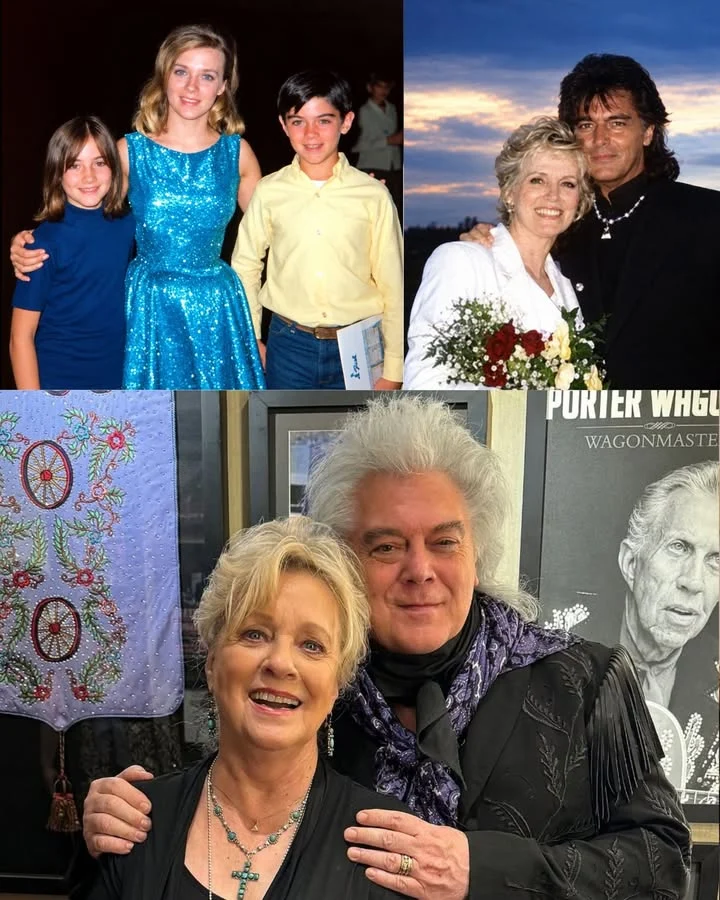
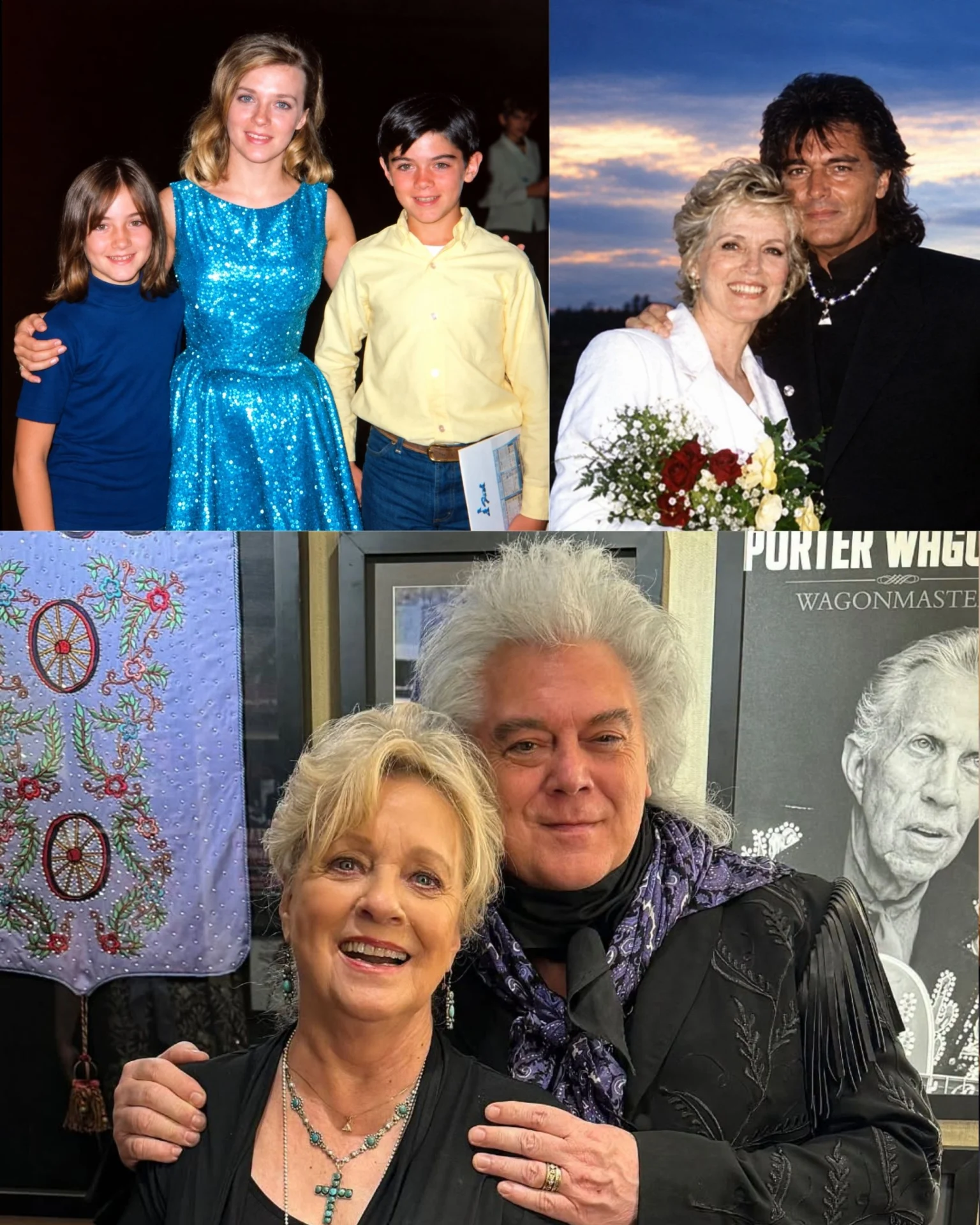
On the drive home from the Choctaw Indian Fair, eleven year old Marty Stuart told his mother exactly what he planned to do one day.
One day I am going to marry her.
It sounded like an impossible declaration from a boy, and for twenty seven years life treated it as little more than a treasured family story.
Then, in July 1997, Marty married Connie Smith.
A Photograph At The Fair
The photograph from the fair shows Marty still small enough to stand beside his mother, smiling next to the country singer he had gone there to see.
It was 1970 and Marty was a Mississippi boy already consumed by guitars, stage clothes, records, the Grand Ole Opry and the musicians whose names filled the albums at home.
He was not casually interested in country music. He was studying its instruments, bands, history, sounds and people before he had the language to explain that study.
Connie Smith was already a star.
Six years removed from Once a Day, she was an established RCA artist, an Opry presence and one of the strongest voices in country music, a singer whose voice needed no spectacle to make a room stop moving.
Marty met her that day, and the memory stayed with him as both of their lives moved in very different directions.
Two Separate Roads Through Country Music
Marty did not wait long to chase the life he had imagined.
He left Mississippi young and joined Lester Flatt’s band while still a teenager, stepping directly into the bluegrass and country world he had studied as a boy.
He later played with Johnny Cash, built a solo career and became part of Nashville’s early 1990s commercial boom.
Connie’s life moved differently. She continued recording, raised children and spent more time with family and faith.
By the 1980s she was making records far less frequently, even though the Grand Ole Opry remained home.
The music itself had created the conditions for their lives to cross and cross again. Fairgrounds, family drives, records, backstage rooms, writing sessions, Opry nights and old songs all belonged to the same map.
They were not pulled together only by celebrity. They were pulled together by tradition.
Meeting Again As Equals Backstage
Their paths eventually crossed again backstage at the Opry.
This time Marty was no longer the boy asking musicians technical questions. He and Connie began writing together, and the friendship slowly moved into something neither had planned around a childhood memory.
The Opry hovered over the whole story. Marty had loved it before he fully entered the business, and Connie had belonged to it through decades of change.
It gave them a common language before marriage gave them a shared home, in a place where country music’s public ceremony and private fellowship overlap.
They married in July 1997, twenty seven years after that first meeting.
Marriage Folded Back Into Music
Marriage quickly folded back into their work.
In 1998 Marty produced Connie’s self titled Warner Bros. album, her first major studio project in years.
He later produced more of her work, while Connie became part of the steadier life surrounding Marty as his own music moved away from chasing country radio and back toward the traditional forms he had loved as a boy.
The Country Music Hall of Fame notes that their marriage helped anchor the period of reflection that led into his next artistic chapter.
The photograph came first, long before either of them knew what the intervening years would contain.
What followed was not a straight line toward that childhood promise. It was two separate musical lives that eventually met again at the same place country music had always given them both, backstage among songs, with enough years behind them to turn memory into partnership.
Scroll down to the end of the article to listen to the music.