
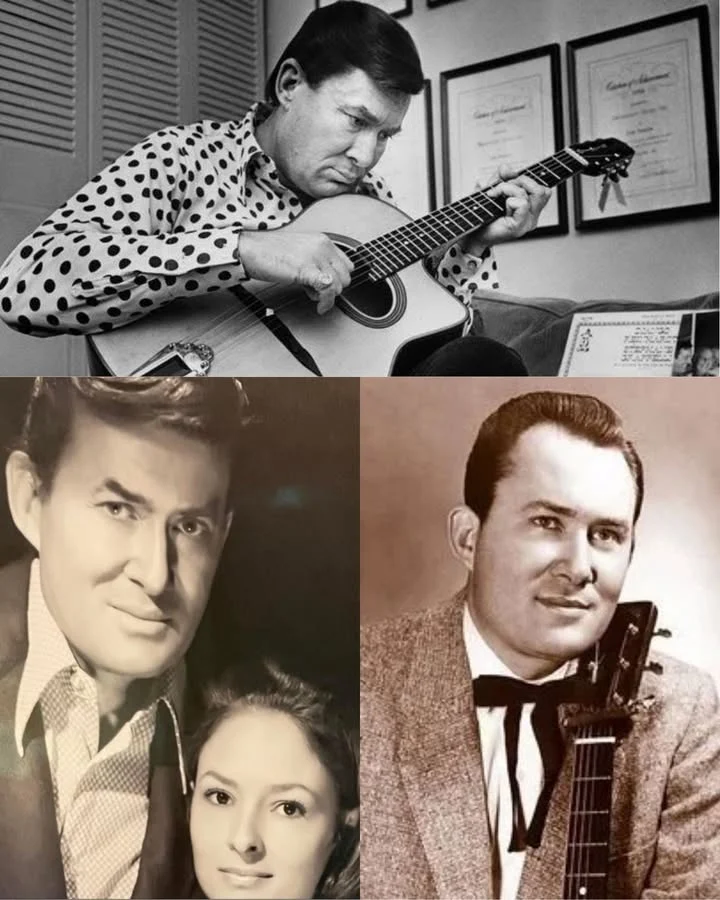
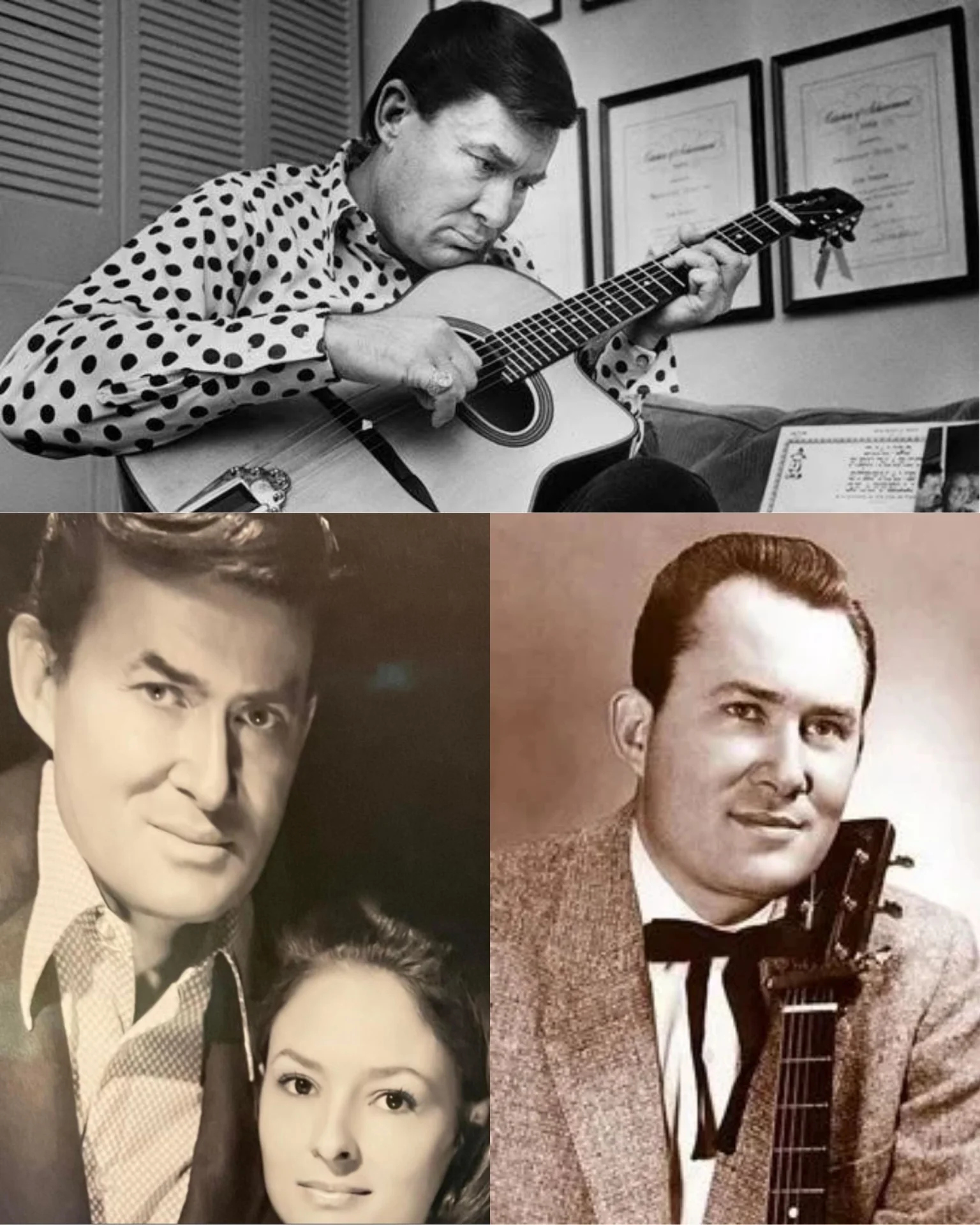
An Opry publication later listed the standards, the awards and the records that other singers had carried around the world, then asked Gibson about the best thing that had happened to him. His answer was Bobbi.
He credited Bobbi with straightening out my life.
In 1967 Don Gibson returned to Shelby, North Carolina with some of country music’s most durable songs behind him and very little order left in his private life.
Only a decade earlier he had written “Oh Lonesome Me” and “I Can’t Stop Loving You” on the same day while living near Knoxville. The records that followed turned Gibson into a major Nashville singer and sent his songs far beyond country radio.
Ray Charles carried “I Can’t Stop Loving You” to a vast new audience. Patsy Cline recorded “Sweet Dreams.” Other singers kept finding their own lives inside the loneliness Gibson put on paper.
Success Did Not Make Him Easier To Live Inside
Success did not make him easier to live inside. By the middle of the 1960s alcohol and prescription pills had begun consuming the structure around him.
His recording career was losing momentum, his relationship with the Grand Ole Opry had ended and the man known as country music’s “Sad Poet” was no longer merely observing damage closely enough to write about it. He was living through it.
Shelby was where he met Bobbi Patterson, a woman from the same North Carolina town he had left behind. They married on June 4, 1967.
Gibson never dressed her importance in elaborate language. Three years later a music industry profile reported that credit to Bobbi. The recovery belonged to Gibson, but Bobbi stood inside the years when he learned how to work again.
The Comeback Reached Number One In 1972
He moved to Hickory Records, returned to writing and recording and in 1972 reached No. 1 with “Woman (Sensuous Woman)” as his first chart topper in fourteen years. In 1975 he rejoined the Grand Ole Opry.
After Gibson died in 2003 she continued tending the part of his life the public could still reach. She cooperated with plans for his first full biography and returned to Shelby as the town placed large record shaped sculptures along its streets, each built around one of his songs.
The records stood outdoors in the town where he had once gone to put his own life back together, a lasting tribute to the Sad Poet and to the woman who helped him find his way back to the music.