
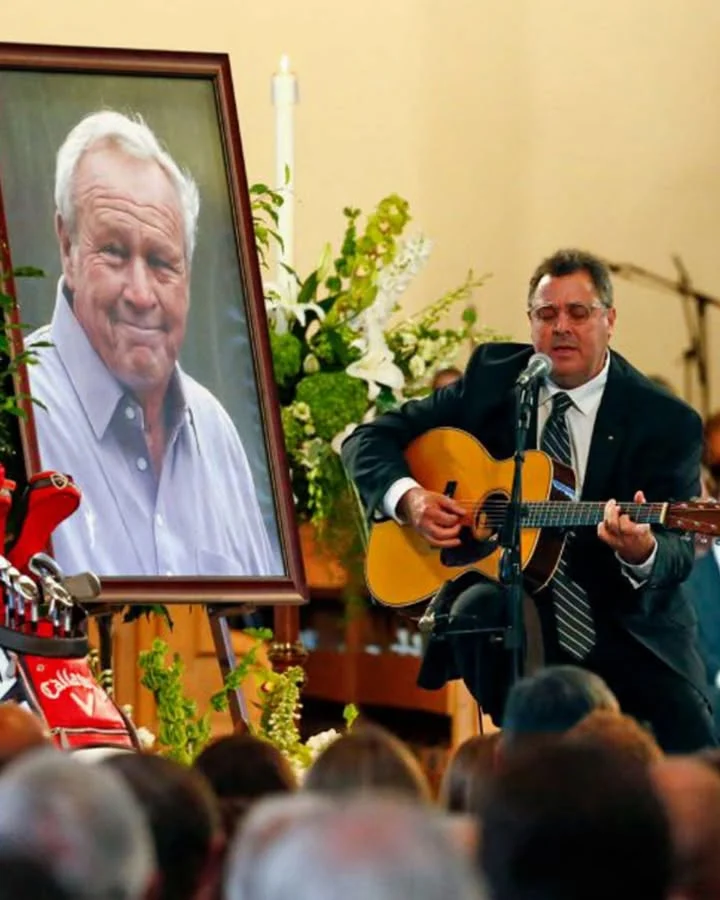
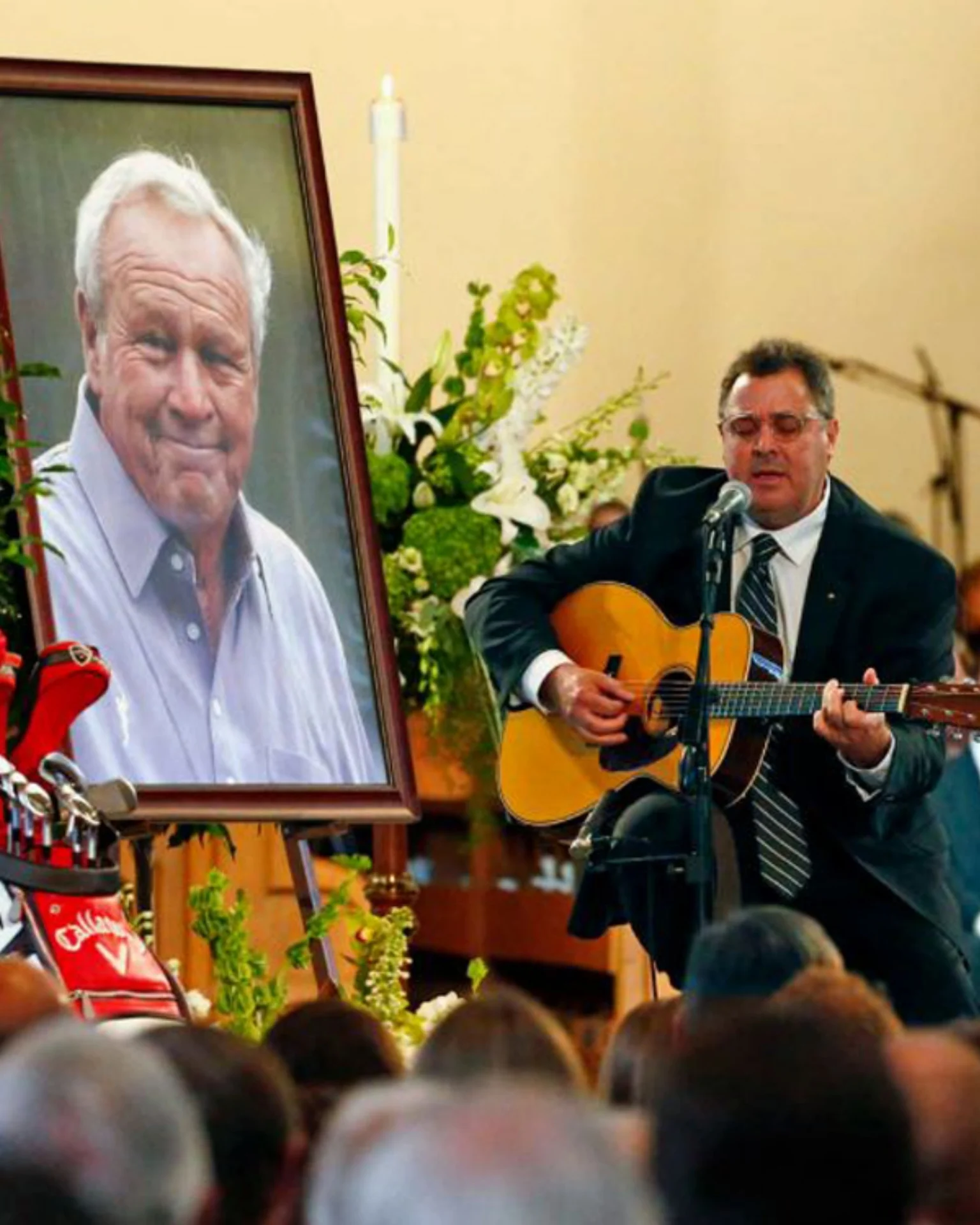
He opened his father’s funeral in July 1997 with a song he believed he understood and within minutes he learned that he had only known half of its story.
Vince Gill chose the old Little Jimmy Dickens recording called Country Boy because it had clearly mattered deeply to Stan Gill. Then he invited his father’s brother to speak. His uncle rose with a puzzled expression and wanted to know what had possessed Vince to choose that particular song.
Vince explained about a night at the Grand Ole Opry and a copy of the record that had arrived in the mail. His uncle listened and then filled in the part of the history that Stan had never shared.
Country Boy was the first record they ever owned
When Stan and his brother were small boys their family had given them a little 45 rpm record player for Christmas. That Dickens song from 1949 was the first record placed into their hands and it stayed with Stan for the rest of his life.
Stan had carried it from a childhood Christmas to an Oklahoma home filled with music and finally to a backstage meeting arranged by the son who had grown into a country star. Yet he had apparently never explained the journey the song had taken.
A Request His Father Rarely Made
Years before the funeral Stan came to watch Vince perform at the Grand Ole Opry. He did not often ask his famous son for special access but that night he had one request. He wanted an introduction to Little Jimmy Dickens.
Dickens had been part of the Opry since 1948 and was instantly recognizable for his small stature and bright clothing and comic songs. Stan’s interest reached beyond all of that. When the men met Stan spoke about a recording he had hunted through record stores without success.
He remembered the 1949 song as Plain Old Country Boy although its title was Country Boy. Dickens did not send him searching through collectors or label archives. He simply asked for Stan’s address and later mailed him a copy.
Vince saw how much the record meant to his father but he never asked why. That unasked question followed the song into the funeral years later.
The Judge Who Came Home In Overalls
Stan Gill lived comfortably in two very different worlds. He was a lawyer and a retired judge and a large imposing Oklahoma man who could leave the courthouse with his hair combed and his glasses on and his frame fitted into a suit.
At home the formal image disappeared. He changed into overalls sometimes without a shirt beneath them and returned to the music he loved for pure pleasure.
Stan filled the house with the records that shaped him and he taught young Vince his first three guitar chords. The country music Vince later carried to the world had begun in that home and in truth it had begun one generation earlier.
A Funeral Choice That Revealed Another Stan
After Stan died the record seemed personal enough to open the service. Vince understood the affection behind it long before he understood where that affection began.
Once his uncle explained the Christmas record player Vince could no longer hear the song as just one of his father’s favorites. It belonged to a time before Stan became a lawyer or a judge or a stern parent.
It came from two little brothers gathered around their first record player and listening to Little Jimmy Dickens sing about a country boy. That image softened the towering figure who had taught Vince to play and who had offered encouragement while his son’s career was struggling and sharp correction after success arrived.
The Album That Followed His Father Home
Stan’s death also helped turn Vince toward his next album. Country radio was moving toward a more contemporary sound while Vince found himself missing the older records heard in his parents’ home.
He thought of Patsy Cline and Ray Price and Buck Owens and Merle Haggard and Webb Pierce and Johnny Cash. Instead of following the market he answered with The Key a deliberately traditional country record released in 1998.
The closing song called The Key to Life spoke directly to Stan. It remembered the music his father had taught him and the lesson that achievement meant little if success changed the person who achieved it.
Vince later said that losing his father had brought those childhood records rushing back. The album grew from the whole household that had made the funeral story possible rather than from one anecdote alone.
What Remained After The Music Ended
Vince had long known the public version of his father. He knew the judge and the disciplinarian and the amateur musician who filled their home with sound.
The funeral introduced him to someone earlier and more tender. For a few minutes Stan was not the towering father or the retired judge. He was a small boy at Christmas waiting for a new record player to turn.
That part of Stan’s life had survived without explanation. It passed through an Opry introduction and a singer’s generosity and a funeral choice made by a son who sensed its importance without knowing its source.
Vince had spent his career learning old country songs from the people who came before him. At his father’s service one of those songs finally taught him something new about the man who had taught him his first three chords.