
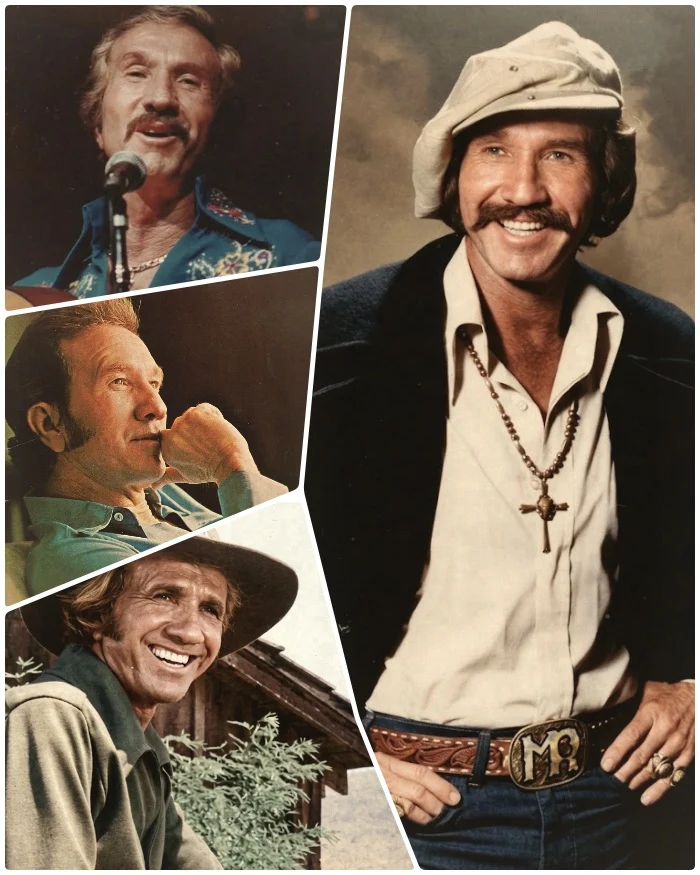
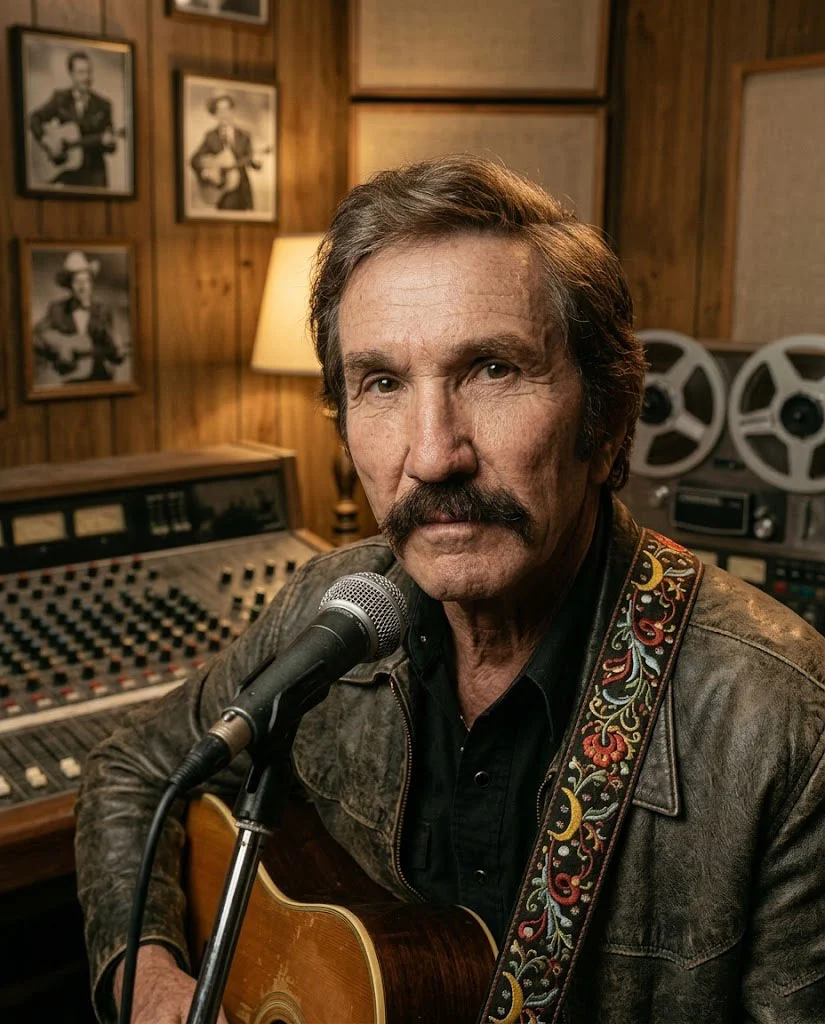
The final chapter never came, and that is exactly why the story still will not rest. Marty Robbins built a legend across three songs, imagined one more piece to close the circle, and passed away in 1982 before he could sing it, leaving the desert air full of questions and the echo moving where an ending should have been.
Most fans first meet that legend through “El Paso,” the 1959 classic about a young cowboy, a dancer named Feleena, a jealous flash of violence, and one last desperate ride back toward love. The song alone would have made Robbins unforgettable, but he refused to leave that dusty Texas town behind for good.
He returned in 1966 with “Feleena,” and the woman at the heart of the tragedy finally stepped forward with her own voice. She was given a past, a sorrow, and a life shaped by the same desert wind that carried the cowboy back to her, becoming far more than beauty and mystery in someone else’s story.
Then came “El Paso City” in 1976, and everything felt stranger, quieter, and almost ghostlike. A modern traveler feels drawn toward the old tale as if he already knows it too deeply, as if the cowboy, the cantina, and that doomed ride are still reaching across time and asking to be heard again.
The Story That Stayed Open
Three songs became three chapters, yet Robbins was doing more than singing a western ballad. He was building a world one piece at a time, slowly enough that listeners did not always see how deep the trail had become beneath their feet.
“El Paso” gave listeners the tragedy. “Feleena” gave them the woman. “El Paso City” gave them the haunting question that still hangs over it all.
That was his rare gift. He could make a song feel like a memory even for people who had never set foot in that town, placing dust in the air, danger in the room, and longing in the heart without ever needing thunder, because the legend only needed a guitar and a voice that understood sorrow.
Those close to Robbins later said he had imagined one more piece, a final chapter sometimes remembered as “The Mystery of Old El Paso.” It might have explained the traveler and his strange bond with the cowboy, or why Feleena and that fatal ride kept returning through time, or something Robbins himself had not yet found the last words to reveal.
Stories like this, they echo forever.
He once hinted that the piece was not finished yet, and then 1982 arrived before the ending could. Robbins passed away with no completed lyrics left for the world to hold, no last recording to close the circle, and no final answer stepping out of the dust to settle the mystery.
Only the question remained, and maybe that is why the legend still feels unfinished in the best and saddest way. A finished story can be admired from a distance, but an unfinished one keeps calling people back to the cantina, to Feleena, to the cowboy riding in, and to that wide and unforgiving desert around them all.
Robbins left country music many gifts, but with El Paso he left something rarer and harder to forget. He left a door not fully closed. The final chapter never came, and only the echo stayed, moving through the desert like a song still looking for its last line.