
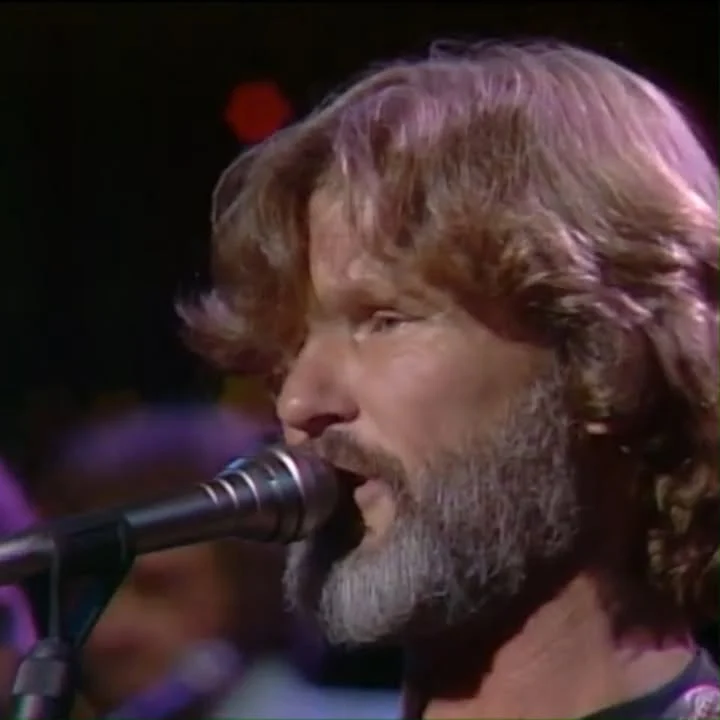
A monument born of ambition can fall in a single heartbeat. That haunting truth echoes through Kris Kristofferson’s “Darby’s Castle,” a ballad that measures the price of success against the quiet ruin of a marriage. Long before the last stone settles, listeners understand that some towers are built on sorrow.
Kristofferson, a master folk and country storyteller, unfolds this parable with the precision of a novelist. The song first appeared on his 1970 self-titled album, yet its warning feels timeless. It follows Cecil Darby, a man consumed by the need to leave something grand behind. He pours three hundred days into raising an enormous castle, a towering symbol of wealth and status. But as the walls rise, something essential withers inside his home.
Helen, Darby’s wife, becomes a ghost in her own life. Her husband stands beside her in bed yet remains miles away. The silence between them grows with every brick laid, every beam raised. Kristofferson captures that loneliness with devastating simplicity:
Though they shared a common bed, there was precious little said, in the moments that were set aside for sleeping.
The castle, intended as a gift of security and love, turns into a prison. Its corridors echo with unspoken words. Its stone walls separate more than they protect. Darby’s grand vision becomes an emotional fortress that keeps his wife at a distance, and the achievements he once chased begin to mock him.
Then comes the reversal. It takes three hundred days to build Darby’s dream, but only one night to bring it all down. The swift collapse is more than physical ruin. It is the sudden, inevitable reckoning with a life spent chasing the wrong treasures. Kristofferson does not allow the listener to look away, forcing us to watch as the castle tumbles and the cost of misplaced priorities becomes clear.
What remains is a cautionary tale wrapped in a gentle melody. Kristofferson never preaches. He simply shows how quickly a legacy of stone can turn to dust when the heart has been neglected. The song invites introspection without judgment, asking each of us to consider the foundations beneath our own busy lives. Are we building something lasting with the people we love, or merely constructing monuments to our own pride?
Decades after its release, “Darby’s Castle” still stands as a moving reminder that true wealth cannot be measured in towering structures. It lives instead in shared words, in quiet presence, in the connections we too often take for granted. That message remains as urgent today as it was in 1970, and it is why this song continues to resonate with anyone who has ever paused to wonder what really matters.