
The wind had stolen everything. Homes lay in splinters, streets vanished beneath floodwater, and families who had built their lives over decades suddenly had nowhere to sleep. Then, in the darkest days after Hurricane Hugo, four familiar voices rose together and turned a song into shelter.
In September 1989, the Category 4 storm slammed into the southeastern United States with winds reaching 135 miles per hour and a massive surge that battered the Carolinas especially hard. Towns flooded, communities scattered, and millions of people watched the heartbreak unfold on the evening news.
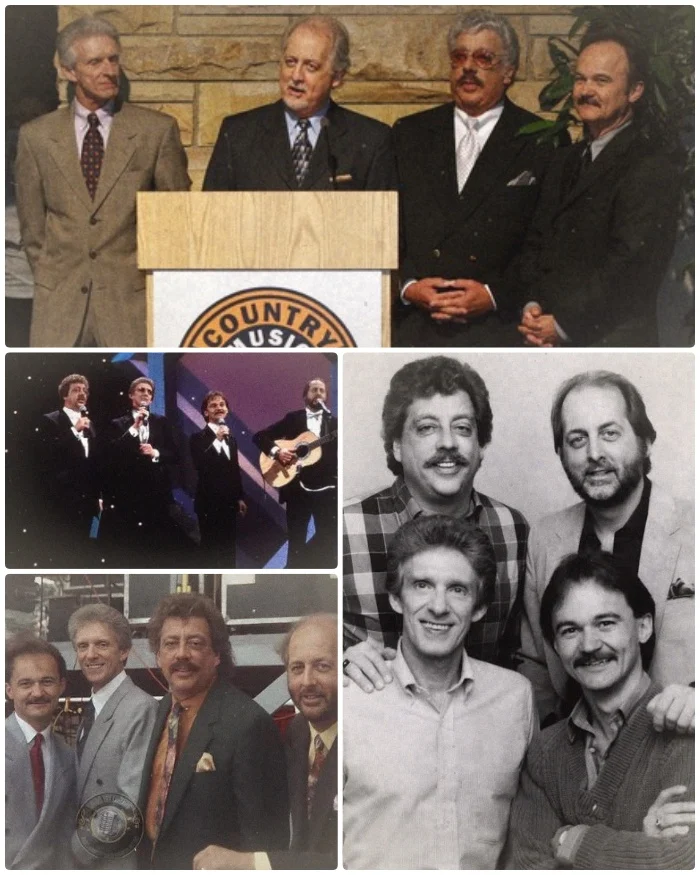
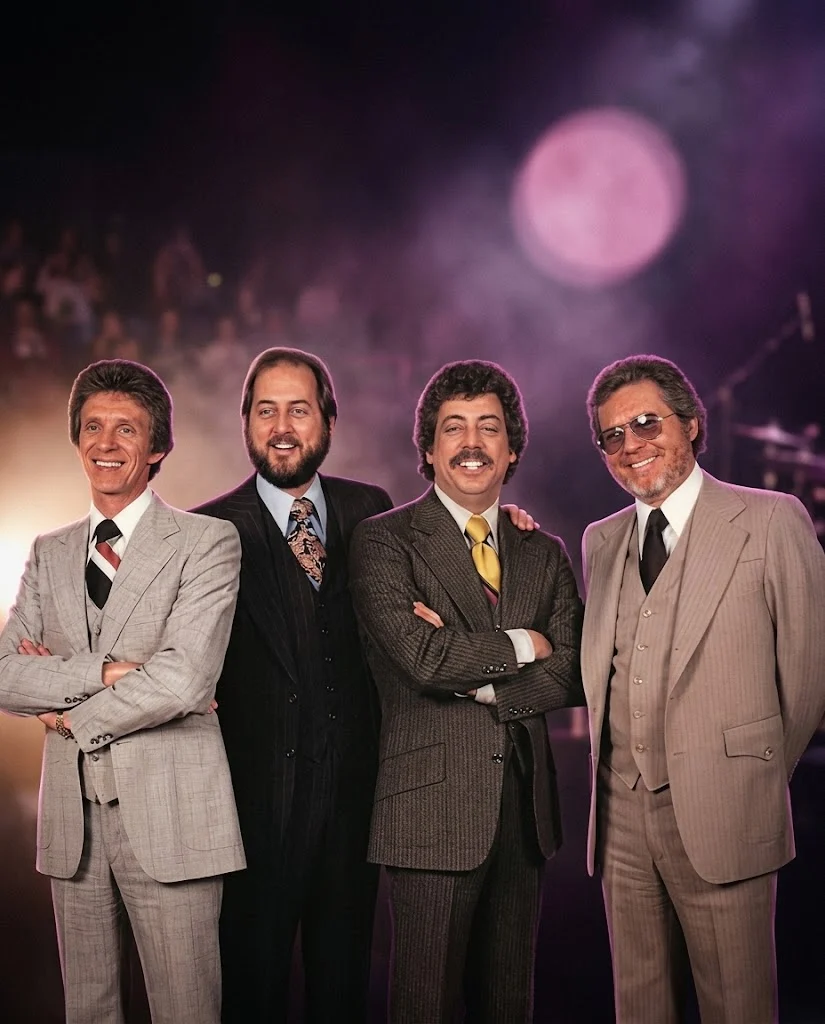
Country music’s most decorated quartet, The Statler Brothers, refused to watch from a distance. Don Reid, Harold Reid, Phil Balsley, and Jimmy Fortune set aside the strict routines of their professional schedules and organized a special benefit concert for the victims.
They did not simply write a quiet check or release a brief statement of sympathy. They turned their stage into a direct engine for relief, asking their loyal fans to stand beside strangers facing the hardest chapter of their lives.
When a neighbor loses everything, you do not look away. You show up with whatever you have and help rebuild.
The response was immediate and overwhelming. That single event raised $200,000 for disaster relief, a monumental sum for one night of country music in 1989. Every dollar went straight toward recovery, helping relief agencies provide essential supplies, clean water, temporary housing, and support for clearing wreckage and putting roofs back over heads.
Staging such an event on incredibly short notice demanded a massive logistical shift, and the group made it happen by relying on their famously independent and well-oiled touring operation. Because they kept tight control over their own enterprise, they did not need to wait for corporate approval from a record label. They called on their trusted road crew, secured a venue, and trusted their fans to arrive.
For the families helped by those funds, recovery stopped being an abstract news story. It became food on a table, a safe place to sleep, and a first step back toward normal life after a single night had blown livelihoods away.
That spirit came from who the quartet were away from the spotlight. Despite towering fame, a hit television series, and decades of sold-out tours, they stayed rooted in their hometown of Staunton, Virginia. They ran a huge career with a small-town mindset and treated a national audience like an extended community.
The contrast was powerful. Hugo had arrived with violent, deafening destruction, tearing apart everything in its path without mercy. Against that cold and isolating force, the Statler Brothers offered the warmth and familiarity of traditional country music and their signature gentle vocal blends.
Across a historic career, they collected countless awards, sold millions of records, and earned places in both the Country Music Hall of Fame and the Gospel Music Hall of Fame. Yet their swift and decisive response in the fall of 1989 revealed the deeper measure of their character.
Eventually the applause faded and the touring trucks rolled on to the next city. But for thousands of people who found shelter and hope after the storm, the music had become something lasting, a foundation on which they could rebuild their lives.