
In the spring of 1965, a woman who had once cleared ashtrays for tips in smoky Bakersfield clubs stood at the very top of country music. Within months of marrying Merle Haggard on June 28, 1965, Bonnie Owens was named the first ever Female Vocalist of the Year at the first Academy of Country Music Awards, and her debut Capitol album Don’t Take Advantage of Me reached the country Top 10.
Twelve years earlier, that triumph had seemed almost impossible. When her marriage to Buck Owens ended in 1953, Bonnie was only twenty-three years old and left in Bakersfield, California, with two little boys to raise on her own. Her oldest son Buddy Alan had been born in 1948 and her younger son Mike in 1950, and at the time of the split they were just five and three.
Long before California, Bonnie Campbell had made a name for herself winning yodeling contests in Mesa, Arizona, with a voice that could soar and break hearts in the same breath. She married Buck, started a family, and in 1951 the young couple packed their car and headed west. But late nights in clubs and money that never quite stretched far enough wore the marriage down until it broke.
With rent due and groceries to buy, singing had to wait. Bonnie put on a waitress uniform and took shifts at the Blackboard Cafe and the Lucky Spot, carrying trays of beer across crowded dance floors while bands played seven nights a week. Night after night she watched other singers take the microphone while she cleared tables in the shadows.
Even in those lean years, when Buck was still working as a session guitarist and fighting to build his own career, Bonnie refused to turn her sons against their father. She never spoke poorly of him at home and she made sure Alan and Mike stayed close to him.
At the Lucky Spot, the house band was led by steel guitarist Charles Fuzzy Owen. He noticed the young waitress whenever club owners invited her up to the bandstand between shifts, and he heard something worth recording. Soon after, Fuzzy teamed up with Bonnie to cut a regional single called A Dear John Letter for the independent Mar-Vel label, with Buck himself playing guitar on the session.
Her reputation for hard work and decency spread through the Bakersfield clubs. Herb Henson hired Bonnie and Fuzzy for Cousin Herb Henson’s Trading Post, a daily country music broadcast on KERO-TV that made her a familiar face across the San Joaquin Valley. For the first time, steady show pay replaced uncertain waitressing tips.
By the early 1960s, Fuzzy Owen and his cousin Lewis Talley had launched Tally Records out of Bakersfield, and Bonnie became one of the fledgling label’s flagship artists. In 1963, Fuzzy brought her a song he had co-written with legendary pianist Moon Mullican called Why Don’t Daddy Live Here Anymore. Sung from the point of view of a divorced mother answering her children’s questions, it was drawn directly from the life Bonnie had lived with Alan and Mike for a decade.
The record climbed into the Billboard country Top 30 and stayed on the charts for nearly five months, an extraordinary run for a tiny California independent label. She followed it on Tally with Don’t Take Advantage of Me, proving she was a recording artist in her own right and not just a voice behind someone else.
Around the Tally offices and the Bakersfield nightclubs, Bonnie also began working with a twenty-six-year-old singer and former San Quentin inmate named Merle Haggard, whom Fuzzy and Lewis had recently signed to the label. She recognized his raw songwriting and vocal talent right away and invited him to sing harmony and duets with her on stage and in the studio.
We sang together first, but it didn’t go farther than that for a long time. His talent didn’t need help. He just needed discipline.
Bonnie later recalled those early days in the liner notes to Untamed Hawk, remembering how their partnership began with music long before it became anything more.
Having navigated the Bakersfield club circuit for over a decade, Bonnie helped steady Merle’s road schedule and recorded their 1964 Tally duet Just Between the Two of Us. As both of their records began breaking nationally, Capitol Records producer Ken Nelson phoned Fuzzy Owen to buy out their Tally contracts and bring both singers to Capitol in 1965.
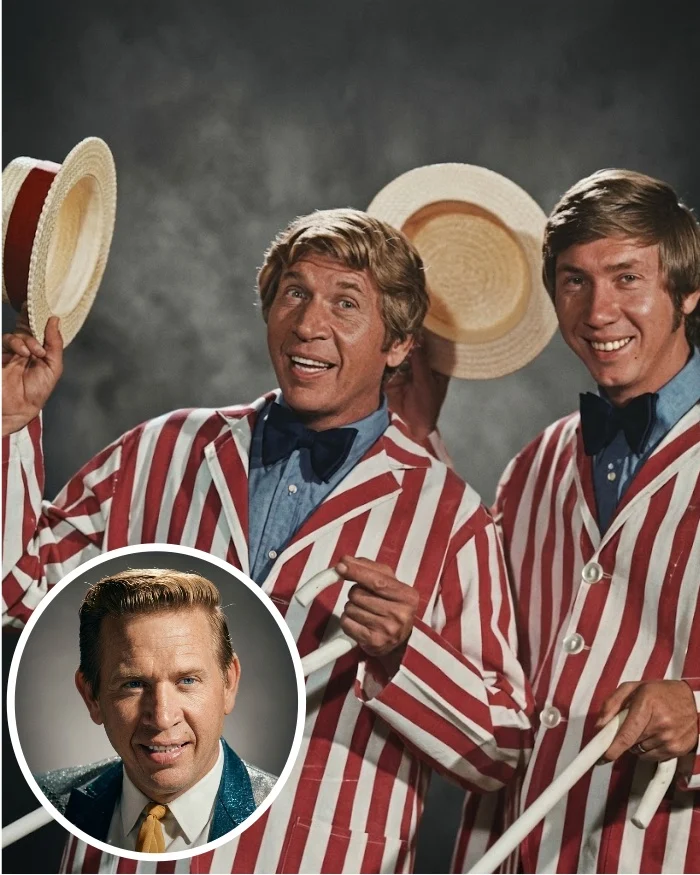
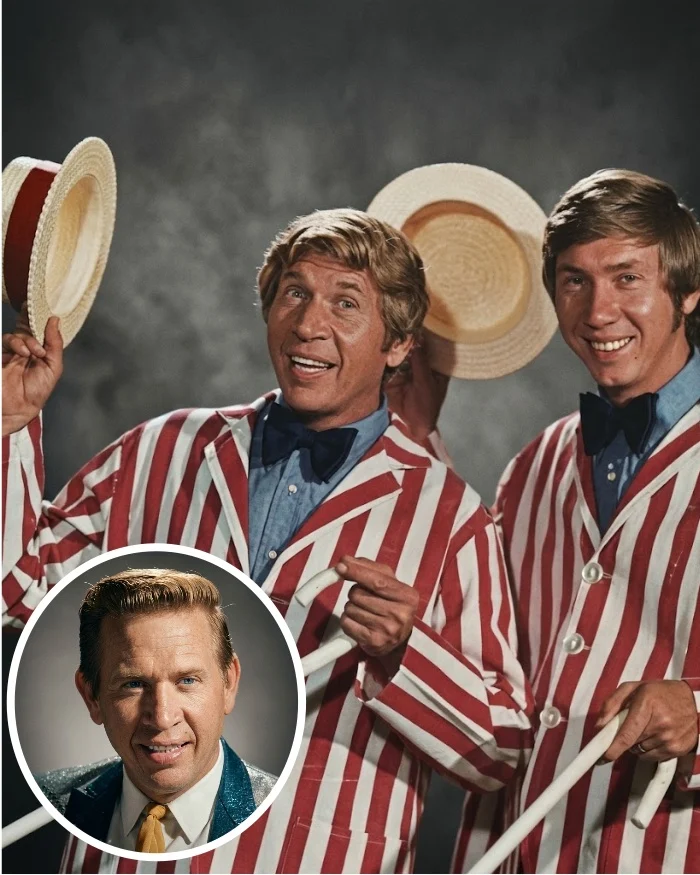
The bridges Bonnie had carefully maintained across Bakersfield also opened doors for her family. Her oldest son, performing as Buddy Alan, launched his own Capitol recording career in 1968, cutting hit records and sharing stages with both Buck and Merle.
As Merle’s solo career surged in the late 1960s, Bonnie gradually stepped back from her own solo releases to serve as harmony vocalist in his band, the Strangers, and she co-wrote Merle’s 1974 number-one country hit Old Man from the Mountain. Even after she and Merle divorced in 1978, she remained his road manager, close confidante, and harmony partner on tour for nearly thirty more years until her death in Bakersfield in April 2006.
From cocktail trays to the first Female Vocalist trophy, Bonnie Owens never lost the grace that had carried her through those Bakersfield nights. She turned heartbreak into songs, lifted a future legend beside her, and kept a family together through music long after the applause faded.