
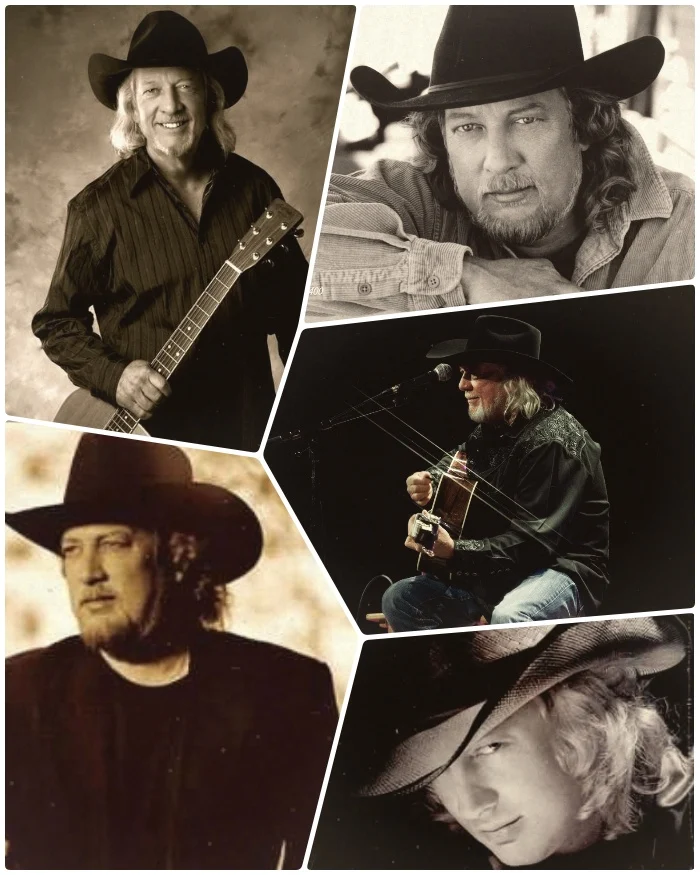
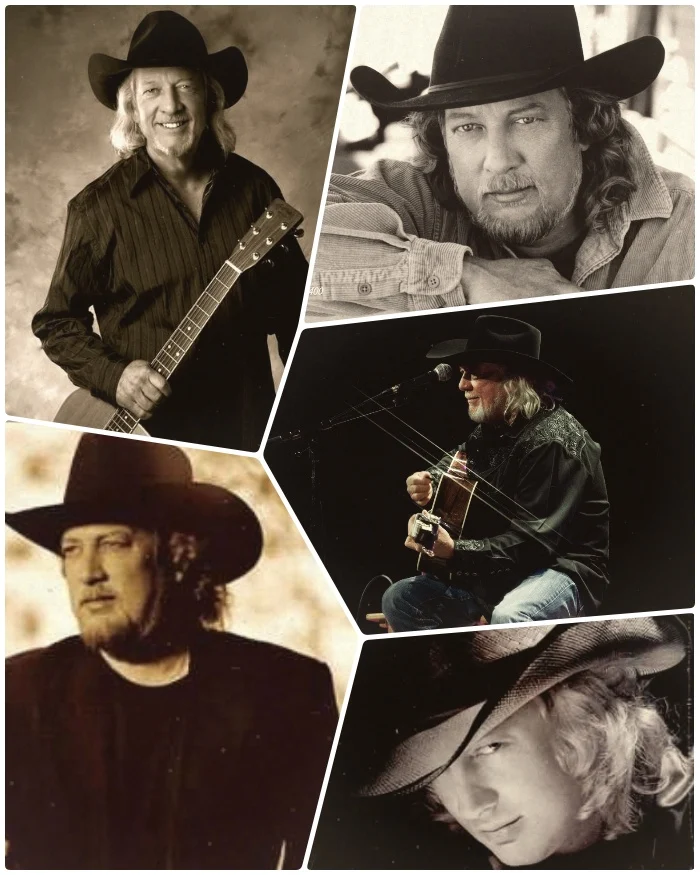
The telephone rang in a quiet Tennessee home in March 1992, and the voice on the other end carried news John Anderson had almost stopped daring to hope for.
After nearly a decade away from the top of the charts, his new record had climbed all the way to No. 1 on the Billboard Hot Country Singles and Tracks chart, his first chart-topper since 1983. At 37, with his wife Jamie beside him, the singer understood in that instant that his career, and the life he had built for his family, had been pulled back from the brink.
Just a short time earlier, that rescue had seemed impossible. Eight years after “Swingin’” and “Black Sheep” turned him into one of country music’s brightest stars, Anderson was staring at unpaid bills on his farm in Smithville, Tennessee, and wondering whether he would have to sell his prized possessions and return to manual labor simply to keep his family afloat.
His fall had been swift and public in its own quiet way. After Warner Bros. let him go, brief and frustrating chapters at MCA and Universal failed to reignite his radio momentum. Around him, Music Row was racing toward a new generation led by Garth Brooks, Clint Black, and Alan Jackson, while executives in Nashville boardrooms began to treat Anderson’s gritty, hard-bent phrasing as a sound left over from the early 1980s.
He refused to stop singing. Night after night, he climbed onto an aging bus and traveled to small clubs, roadside honky-tonks, and county fairs, often singing for younger crowds who barely recognized the name of the man who had once dominated the airwaves.
Then, in 1991, veteran producer James Stroud and the newly launched BNA Entertainment looked past the labels others had placed on him. They signed Anderson and gave him room to sound like himself again, trusting that he did not need to chase pop trends, only songs strong enough to match the honesty in his voice.
During the sessions for his comeback album Seminole Wind, Stroud and Anderson heard a demo that would change everything. Nashville writers Debbie Hupp and Kent Robbins had written “Straight Tequila Night,” a warning wrapped in a barroom story about a lonely woman in a tavern whose whole manner shifted when she ordered straight tequila.
Hupp brought a remarkable pedigree to the song, having won a Grammy a decade earlier for co-writing Kenny Rogers’ “You Decorated My Life.” Robbins had already shaped hits for The Judds and Ronnie Milsap, and together they had crafted a tale that felt both clever and painfully human.
When Anderson stepped to the microphone, he sang it like a man with everything on the line. Eight years of rejection, road weariness, and financial fear poured into every line, carried by a crisp acoustic guitar opening and a steady honky-tonk pulse that made the performance feel urgent and lived in.
He had refused to quit when the business turned away, and now the business was listening again.
Released on December 2, 1991, as the second single from the album, the record caught fire across North America. Driving in his truck through those cold winter weeks, Anderson listened in quiet disbelief as that familiar acoustic intro poured from country stations that had ignored him for years.
The chart triumph opened the floodgates. Seminole Wind went on to sell more than two million copies, powered by follow-up hits including “When It Comes to You” and the haunting title track, and “Straight Tequila Night” became a permanent fixture in Anderson’s live shows for the next three decades.
That long run carried him all the way to his induction into the Country Music Hall of Fame in 2024, where every time the opening guitar notes rang out, audiences answered the unmistakable voice of a survivor.
Yet the triumph has always carried a bittersweet shadow. Less than six years after the song reached No. 1, Robbins died at age 50 in a single-car accident near Clanton, Alabama, in December 1997. He was inducted posthumously into the Nashville Songwriters Hall of Fame the following year, leaving Hupp and Anderson to carry the memory of the music they had built together.
For Anderson, the song remains far more than a comeback hit. It is the three-minute lifeline that saved his place in country music and his family’s livelihood, and a lasting tribute to the writers who handed it to him when he needed it most.