
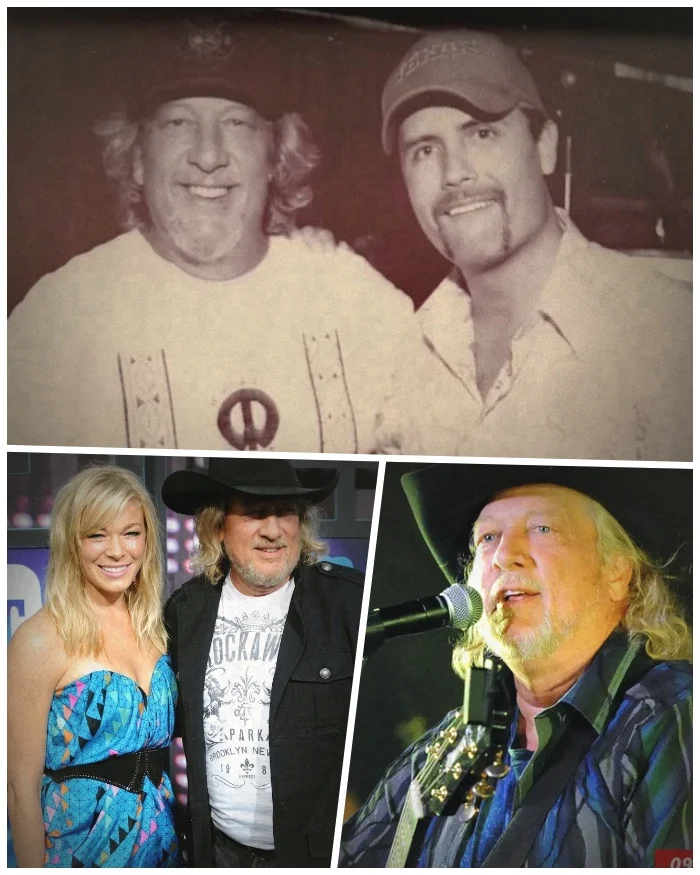

The plant gates were closing across Michigan when a gray-haired veteran on a factory floor became the face of a song written in roughly one hour. In January 2009, John Anderson sat down with John Rich inside Rich’s Mount Richmore home in Nashville and finished “Shuttin’ Detroit Down” while the Great Recession was tearing through industrial towns.
Rich had just watched television coverage showing major financial institutions receiving federal bailouts while Detroit assembly-line workers lost their livelihoods in the dead of winter. He carried that anger straight into the room and turned to a man he had publicly called his all-time favorite country singer for help giving those workers a voice.
He had traded sweat for a weekly paycheck himself and he understood what happened to a family when that paycheck disappeared
That trust had been built years earlier. Rich produced Anderson’s 2007 album Easy Money and their work together later continued on Anderson’s June 2009 release Bigger Hands which the two men co-produced and co-wrote from start to finish. They were not strangers chasing a formula that winter day. They were longtime studio partners reacting to real lives unraveling on the news.
Anderson brought a past that made the lyric ring true. Born in Apopka in Florida in December 1954, he arrived in Nashville in the early 1970s with no recording contract and supported himself through hard manual labor. He dug ditches and worked day shifts nailing the roof onto the new Grand Ole Opry House long before he ever stood on its stage as a star. That memory shaped a song about an older plant worker watching his retirement and his home slip away while corporate executives collected bonuses.
Rich recorded the track right away and Warner Bros. Records released it as a single on January 28, 2009. Demand from struggling factory towns grew so fast that the label moved up Rich’s solo album Son of a Preacher Man and placed it in stores on March 24, 2009. Michigan listeners claimed the song as their own. WYCD in Detroit and WBCT in Grand Rapids received constant calls and emails requesting it while WDTW-FM in Detroit put it into hourly rotation and later chose it as the final song played before the station dropped its country format.
Directors Robert Deaton and George Flanigen gave the story a screen life that matched the weight of the words. Kris Kristofferson played the gray-haired assembly-line veteran who endures his shifts, receives his layoff notice and faces foreclosure on his family home. Oscar-nominated actor Mickey Rourke played his younger co-worker and friend facing the same closure. Rich said standing beside both veteran actors was humbling because their weathered faces carried a story before a single word was sung and the three-and-a-half-minute video felt more like a short feature film than a standard promotional clip.
The record debuted at No. 26 on the Billboard Hot Country Songs chart, spent twelve weeks on that chart and climbed to No. 12 while crossing over to No. 65 on the Billboard Hot 100. A few months later Anderson released his own weathered recording of the song on Bigger Hands in June 2009 and put it back into the voice of the former construction worker who helped create it. In November 2010 BMI honored Anderson and Rich for writing one of the most-played country songs of the year. By then Anderson was 55 and more than three decades removed from that Opry roof, yet one urgent hour in Nashville had carried the reality of laid-off auto workers onto national radio and into the homes of families who refused to be forgotten.