
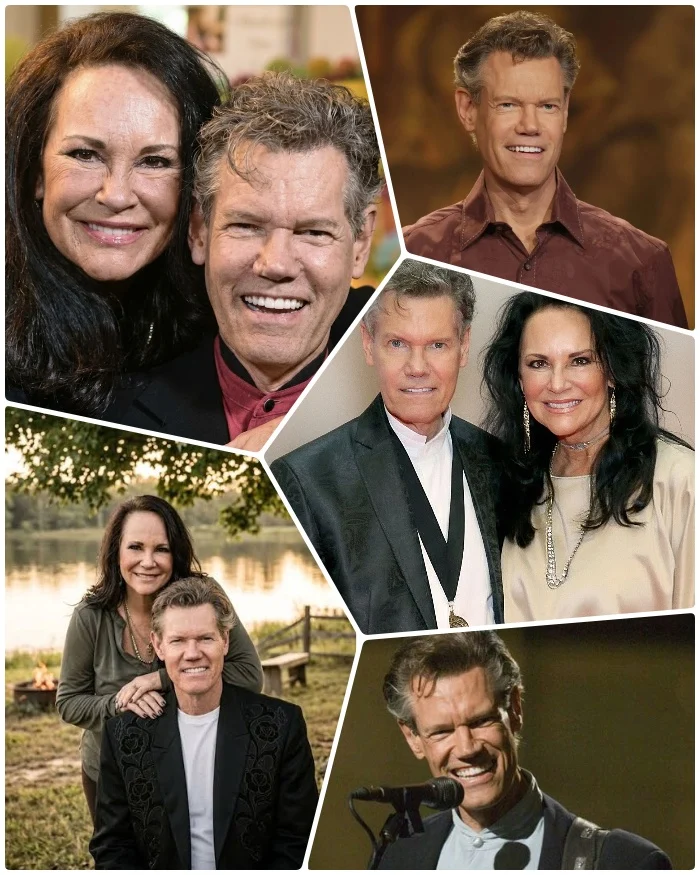
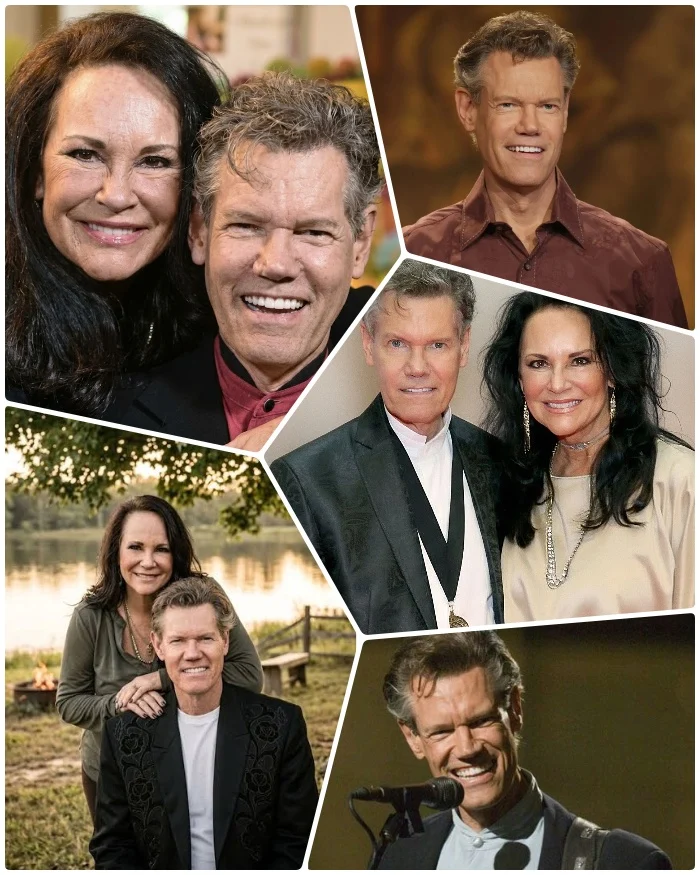
In a hushed Nashville hall in October 2016, Randy Travis stood with Mary Davis steadying him at his side, lifted a microphone, and sang the first verse of Amazing Grace. The performance was brief and fragile, yet the room stood in stunned silence because it was the first time the public had heard his voice since a catastrophic health crisis nearly ended his life three years earlier.
That fragile verse was not born on a stage. It was born in hospital wards and in a quiet Texas home where life had shifted completely from tour dates to the hard daily work of basic motor survival.
In July 2013, a viral heart infection triggered a massive stroke on the left side of Travis’s brain. Pressure mounted rapidly and neurosurgeons performed emergency decompression surgery to relieve it. He slipped into an unresponsive coma while facing collapsed lungs and multiple bouts of pneumonia, and doctors estimated his chance of survival at only one percent.
Confronted with that devastating prognosis, Mary Davis was asked whether life support should be stopped. A faint squeeze of her fingers and a single tear on his cheek settled the decision for her.
Keep fighting.
She instructed the medical staff to continue treatment, refusing to let him go in that intensive care room.
Travis remained hospitalized for nearly six months before finally returning home by Thanksgiving. Damage to the left hemisphere left him with severe right-sided paralysis and profound expressive aphasia. His mind and memory remained intact, but the stroke stripped away his ability to form spoken sentences, read, or write.
Rebuilding daily life from scratch became the work that followed. Mary and a dedicated therapy team built an exhaustive rehabilitation schedule around four hours of physical, occupational, and speech therapy each day. The singer who had spent decades anchoring arenas had to practice picking up basic household objects, navigating short steps, and relearning the alphabet.
Progress was measured not in weeks, but in fractions of an inch. After months of grueling repetition, Travis managed to take several unassisted steps across the living room and eventually began holding a guitar again, working his fingers across the fretboard to rebuild basic muscle memory.
In March 2015, two years into that private labor, the couple married in a quiet ceremony. Mary officially took on the legal, physical, and emotional stewardship of his daily care, serving as his steadying hand when walking and stepping forward to translate his smiles, gestures, and single-word responses during public appearances.
The public recognized the milestone at the 2016 Country Music Hall of Fame induction, but the work did not pause after the applause ended. Back on their ranch outside Tioga, Texas, the daily regimen of mobility drills and cognitive exercises continued year after year. As Travis continued attending shows and greeting fellow artists from his wheelchair, Mary remained beside him, interpreting the unspoken language of glances and nods they had forged through years of patient survival.
When the two of them stepped off the stage following that brief hymn in Nashville, they returned directly to the quiet schedule they had built together. The legendary voice had altered irrevocably, but every deliberate step forward remained anchored by the woman who stayed.