
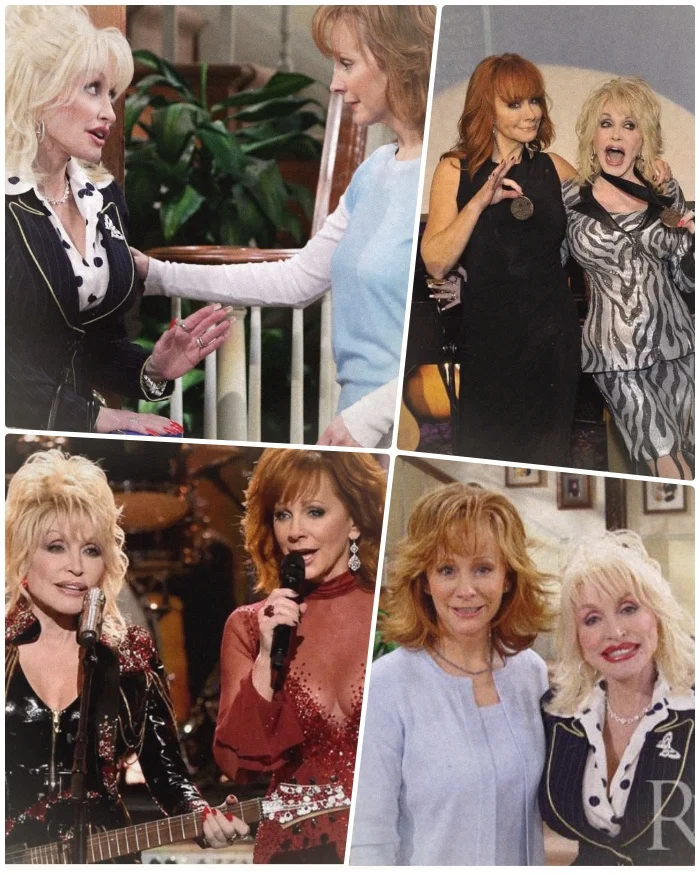
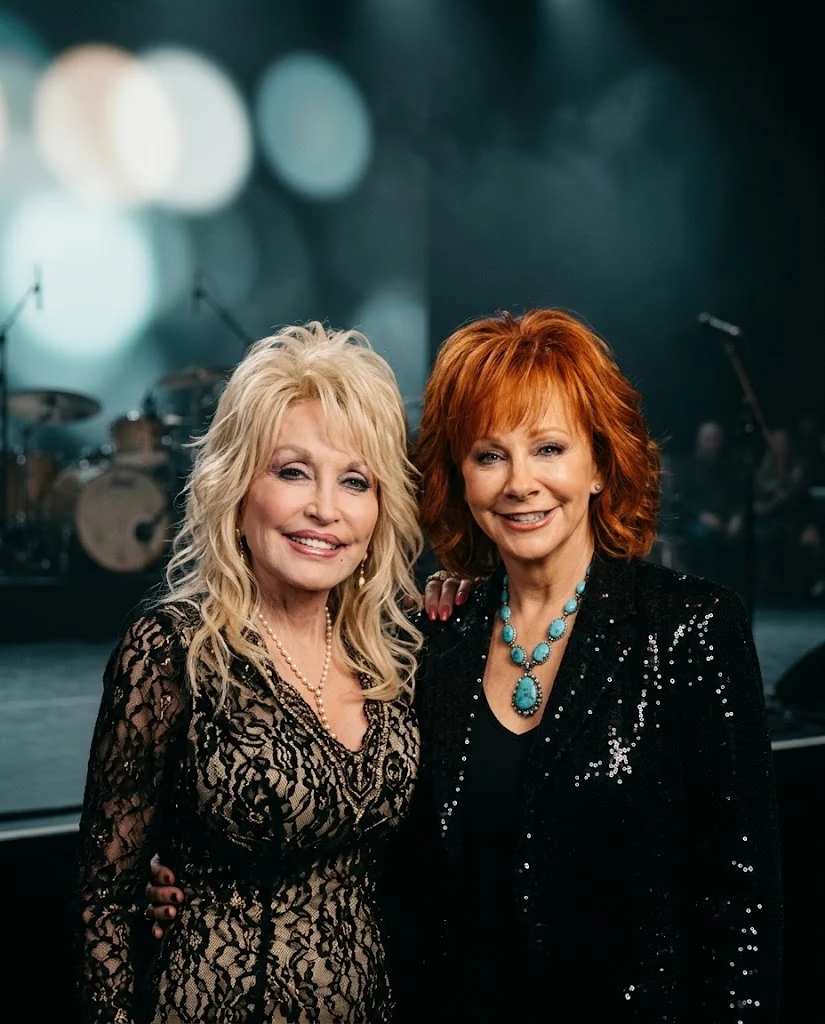
The silence that followed the crash was heavier than any song Reba McEntire had ever sung and in that silence one voice broke through with something far more powerful than sympathy. Dolly Parton did not send only flowers or a kind note. She offered Reba her entire working band and road crew, her own musical family, so a grieving singer would never have to face an empty stage alone.
Just hours earlier, in the early morning of March 16, 1991, Reba’s world had been shattered after a private performance for corporate executives in San Diego, California. Her touring personnel boarded two separate aircraft for the journey to their next destination. Shortly after takeoff, one of those planes clipped the side of Otay Mountain.
Eight of her trusted band and crew members died in the crash, along with two pilots. In a single devastating night, the people who powered her live show, who shared her buses and her laughter and her long road days, were gone. Her highly successful tour stopped instantly, leaving behind grief that words could not measure and a stage suddenly stripped of its heartbeat.
As news spread across Nashville, the country music industry responded in the familiar ways. Flowers arrived, telegrams arrived, and public statements of condolence poured in from fellow artists and executives. Those gestures mattered, but Dolly chose a different path, one that carried real cost and real risk.
She reached out directly to Reba and volunteered to loan her entire active band and road crew. In the fiercely competitive world of country touring, a road family is guarded like treasure because a working band is the safety net that makes a flawless show possible night after night. To make her offer real, Dolly was willing to delay her own personal schedules, disrupt her tour momentum, and hand over the very musicians she relied on most.
True sisterhood does not arrive with empty advice. It arrives with skilled hands ready to play and strong shoulders ready to carry a friend through the dark.
Dolly did not tell Reba to stay strong or simply push forward. She quietly arranged the practical pieces of survival, making sure that whenever Reba felt able to hold a microphone again, a group of talented musicians would be standing right behind her. Her personnel agreed to step into the void, ready to learn someone else’s music and to use their collective talent as a bandage for a wound that could not be fixed with words.
That unconditional gift gave Reba breathing room. She did not have to rush back to a grueling road schedule or rebuild a touring company from scratch while still mourning. She could grieve, pause, and decide her next steps without the crushing pressure of starting over alone.
Just months later, she found the courage to step back into a Nashville recording booth. That fall she poured her sorrow into her sixteenth studio album, For My Broken Heart. Released in October 1991, the project was dedicated directly to her lost road family. The studio sessions were emotionally shattering, with Reba and her studio musicians frequently breaking down in tears as they moved through tracks centered entirely on sorrow. Still, she pushed through the vocal tracking, determined to honor the friends who had helped build her career.
The record became a therapeutic masterpiece and one of the defining vocal performances of her life, a lasting tribute carved from heartbreak. More than an album, it was proof that love for her lost family could still be turned into music.
Dolly’s offer in those darkest early days changed everything between the two women. Respectful industry peers became lifelong friends, bound not by fame or charts but by sacrifice. Dolly had shown exactly what she valued when the stage lights went out and the applause faded.
The 1991 tragedy remains one of the heaviest chapters in country music history, a loss the genre still remembers today. Yet the way the community answered it reveals the deeply human core of the business. When the music suddenly stopped, it was the quiet, practical sacrifice of a fellow artist that helped ensure the stage would not remain empty forever.