
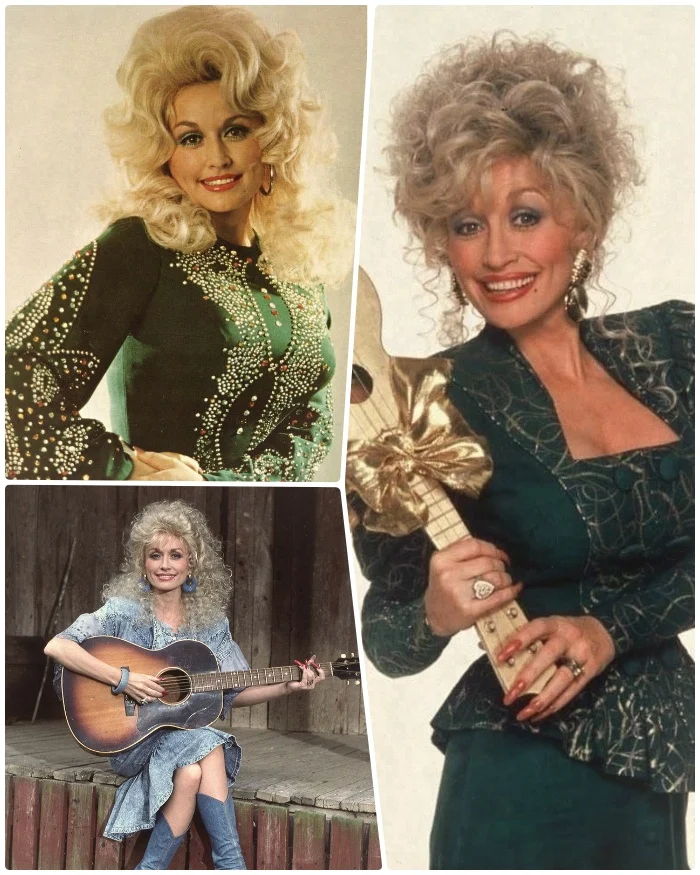
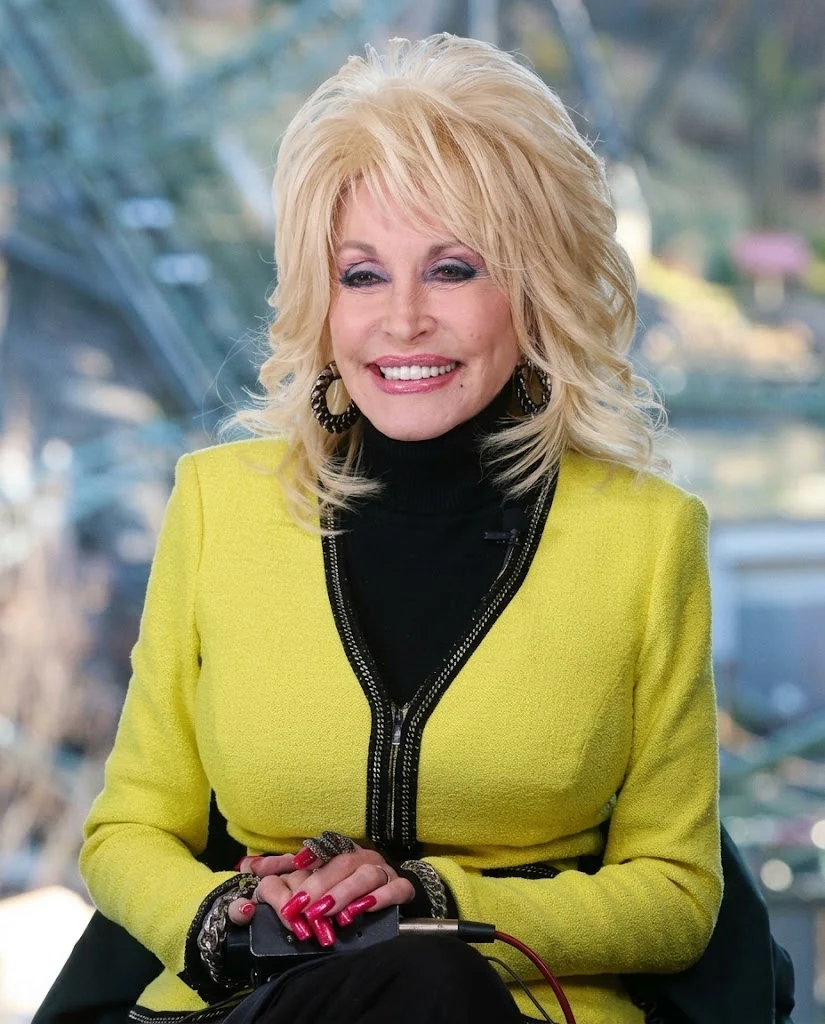
Fifty years after a secret wedding in a tiny Georgia church, Dolly Parton finally slipped into the elaborate wedding gown she had never worn. There were no flashing cameras and no roaring crowd. Just the man who had loved her long before the world knew her name.
In a private ceremony at their Nashville home in 2016, Dolly and Carl Dean renewed the vows they first whispered in 1966. She released only a handful of photographs afterward and she released them to raise money for charity. The privacy was not an accident. It was the very foundation of their marriage.
Back in the spring of 1966, Dolly was only twenty years old and standing on the edge of a massive country music career. Her label, Monument Records, had warned her plainly against marriage. Executives feared a husband would dull her commercial appeal and stall the momentum she was building.
Dolly heard the advice and then quietly did the opposite. On Memorial Day weekend, she drove across the state line into Georgia with Carl Dean at her side.
Inside a small Baptist church in Ringgold, Georgia, they married without press, without an elaborate reception, and without a single industry executive in the room. The only witnesses were the preacher, his wife, and Dolly’s mother, Avie Lee. That quiet beginning became the blueprint for everything that followed.
While Dolly built an empire of rhinestones, theme parks, and global arena tours, Carl stayed firmly planted in Nashville. He ran an asphalt paving company and worked hard to stay out of the camera’s reach. After attending one industry event early in her career, he told her he supported her dreams completely but he never wanted to walk a red carpet again.
He supported her dreams completely but he never wanted to walk a red carpet again.
She guarded that boundary fiercely for the rest of her life. To the world, she was the larger-than-life country icon. At home, Carl was the quiet anchor in her whirlwind life, the keeper of a private fortress that fame was never allowed to enter.
That steady and mostly invisible devotion eventually slipped into her music. Across her career, Dolly wrote thousands of songs, many of them legendary stories of heartbreak, independence, and fictional characters. Yet when she wrote “From Here to the Moon and Back” for the 2012 film Joyful Noise, she openly confirmed the lyrics were a direct reflection of her husband.
The track offered a rare public window into a fiercely guarded romance. Stripped down and rooted in traditional country, it sounded less like a hit single and more like a vow whispered from a superstar to the man waiting back home.
Two years later, Dolly decided the song deserved another chapter. For her 2014 album Blue Smoke, she reimagined the deeply personal track as a duet and reached out to one of country music’s ultimate storytellers, Willie Nelson.
The choice was deliberate. Nelson grounded the celestial romance of the lyrics in the earthy and rugged reality of outlaw country, giving the song an entirely new dimension.
In the studio, the recording became a masterclass in blending two distinctly different musical signatures. Nelson did more than lend his voice. He brought his legendary and battered acoustic guitar, Trigger, into the mix. The final production paired Dolly’s soaring and pristine soprano with Willie’s weathered and conversational phrasing.
By having Nelson sing the verses back to her, the song changed from a private letter into a timeless country standard. It proved that a deeply personal story could resonate universally when it landed in the right hands.
Dolly gave her image, her voice, and her stories to the rest of the world, but she saved her life for the man who only ever wanted the woman behind the rhinestones.
That truth held steady from the empty church in Ringgold to the quiet renewal in Nashville fifty years later. Fame grew louder around them, but the core of their relationship never changed.