
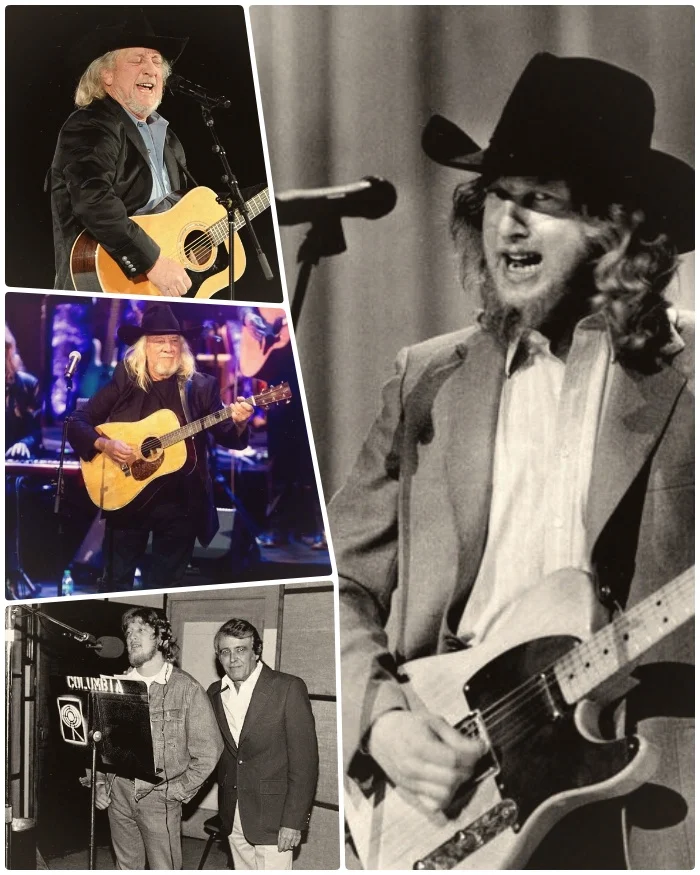
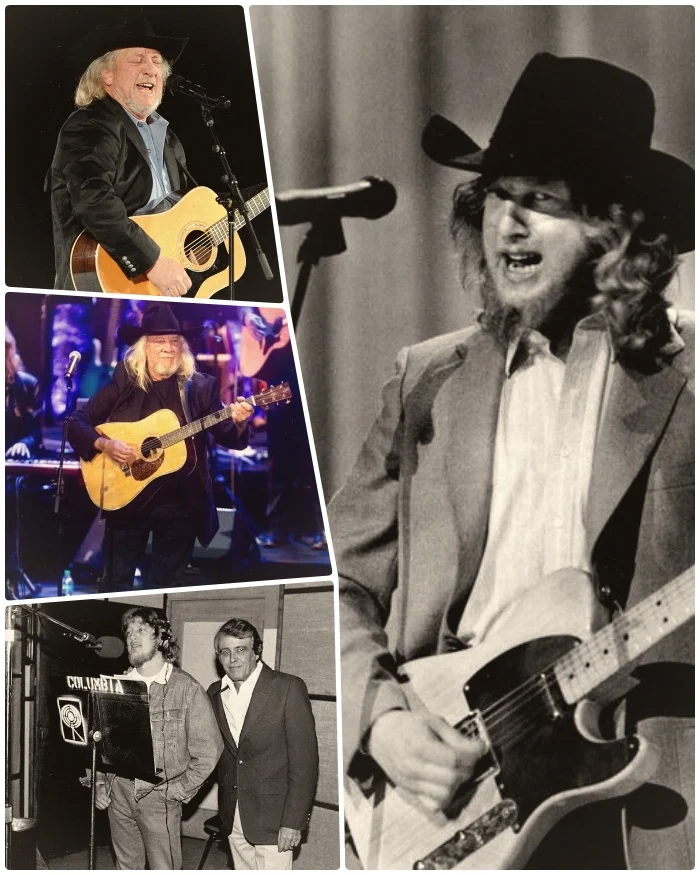
Behind the glass of a Nashville vocal booth, John Anderson fought to steady his breath as tears filled his eyes. The Florida-born traditionalist was not chasing a perfect take. He was trying to sing the truth about the years he had lost on the road.
For much of the late 1980s and early 1990s, Anderson lived for months at a time inside tour buses that rolled from honky-tonks to fairgrounds to packed theaters across America. The grind was relentless, and it was driven by love. Every distant stage was a way to provide a stable life for his wife Jamie and their two young daughters.
Yet the paycheck carried a quiet cost that no applause could repay. While crowds cheered his unmistakable drawl, first steps happened without him. School plays went on without him in the audience. Birthdays passed at the kitchen table while he measured his little girls growing up through brief calls from truck stop payphones.
That guilt eventually followed him into a Nashville writing room with songwriter Kent Robbins. Instead of smoothing the heartache into easy radio romance, the two men chose raw candor. They confronted the ache shared by every working parent who trades bedtime stories for an honest living.
I Wish I Could Have Been There
The song they built became I Wish I Could Have Been There, a reflection stripped of bravado and built on apology. When Anderson carried it into the studio for his 1994 album Solid Ground on BNA Records, the room shifted. He cut the vocal with minimal polish, letting his rough-hewn phrasing tremble under the weight of a father’s regret. Engineers and seasoned players watched emotion overtake him between takes, yet he pressed on, determined to leave the pain undisguised.
When BNA sent the ballad to country radio, it climbed straight into the Billboard Hot Country Singles Top 5. It was embraced by Anderson’s loyal fans and by people who lived the same separation every day, including long-haul drivers, third-shift factory workers and deployed military families.
The moment stood apart in a career surge powered by roaring uptempo hits like Seminole Wind and Straight Tequila Night. Those songs brought crowds to their feet. This one hushed entire auditoriums into thoughtful silence night after night.
Decades later, Anderson still names the recording among the most honest pieces of music he ever committed to tape. Across a Country Music Hall of Fame career filled with arena applause, the confession of a father trying to make up for lost time remains carved in stone.