
The Hammond M3 organ riff descends like a bluesy whisper that somehow commands immediate attention. It is the sound of four musicians finding something they did not know they were looking for inside a former movie theater on McLemore Avenue in Memphis in 1962. The air in that space still carried the faint scent of stale popcorn and the hum of electric potential. On one summer day, the young session players who formed the core of the Stax house band found themselves with unexpected time on their hands. The singer they were meant to back never showed up or the session wrapped early depending on who tells the story. What remains undisputed is that the tape machine was still rolling and the four musicians began to play purely on instinct. That improvised moment of boredom and raw creativity produced Green Onions by Booker T and the MGs, a track that would become one of the most significant pieces of American popular music.
The song feels less like a carefully composed piece and more like a law of nature. It is instantly recognizable yet defies easy explanation. To understand its power one must first understand its birthplace. This was not the polished debut of a rehearsed band but an after hours jam by the Stax rhythm section that would soon define the sound of Otis Redding, Sam and Dave, and Wilson Pickett. Keyboardist Booker T Jones was only seventeen years old at the time. Guitarist Steve Cropper was twenty. Bassist Lewie Steinberg and drummer Al Jackson Jr. completed the lineup. The studio was run by producer Jim Stewart and his sister Estelle Axton, and it embodied a gritty integrated energy that stood in stark contrast to Motown’s more polished approach.
The recording first appeared on Stax’s subsidiary label Volt as the B side to a slower blues instrumental called Behave Yourself. A Memphis DJ began playing the B side repeatedly after receiving an overwhelming number of calls from listeners desperate to buy the unknown groove. The song was then flipped to the A side and re released on the main Stax label. It became the label’s first R and B chart topper and climbed into the Top Five on the pop charts. For an instrumental track driven by a Hammond organ rather than a screaming vocalist to cut through the radio waves of 1962 remains a testament to its undeniable appeal.
The genius of Green Onions lies in its masterful yet deceptive simplicity. The structure follows a twelve bar blues pattern yet it feels less like a formula and more like a heartbeat. The arrangement is sparse, each instrument given space to breathe. Booker T Jones’s Hammond organ plays the famous descending blues inflected riff that serves as both melody and rhythmic anchor. The tone is slightly overdriven with the built in vibrato of the M3 giving each note a gentle woozy sway. There is no high end piano to brighten the sound. The organ stays rooted in the lower earthier registers. Opposite the organ, Steve Cropper’s guitar work is a masterclass in supportive elegance. He enters with stabbing rhythm chords that are short and concise, never overplaying. His Fender Telecaster cuts through with a clean tone that has just enough grit. Cropper does not solo in the traditional sense. He offers perfectly placed counter melodies and rhythmic accents that call and respond with the organ, deepening the conversation.
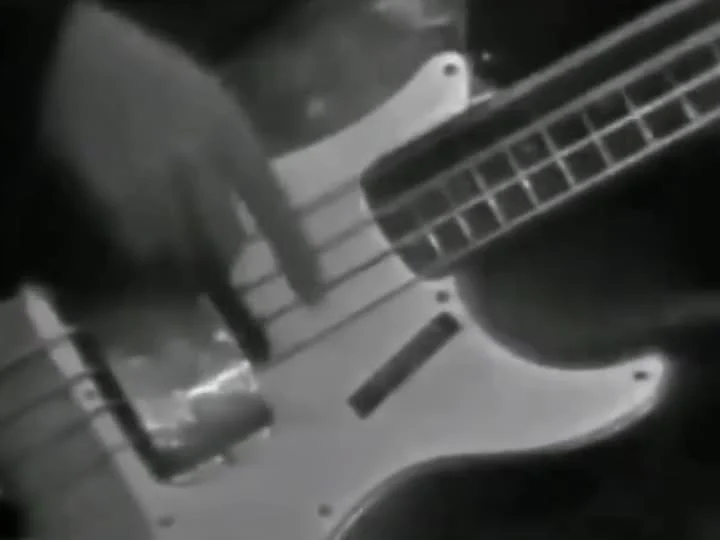
The rhythm section holds everything together with an iron grip. Lewie Steinberg’s bass lines are solid and unobtrusive. Al Jackson Jr.’s backbeat is legendary, a relaxed yet rock solid anchor that embodies what many call the Memphis groove. His drumming is not flashy but profoundly felt. The cymbal work is minimal. The snare hits are crisp and slightly dry, giving the whole recording an in the room intimacy that premium audio equipment can make almost visible. The microphone placement in the old movie theater captures a unique reverb tail that adds a sense of space impossible to replicate.
The magic of Green Onions is not in its complexity but in the near telepathic communication between four musicians inventing soul on the spot.
Beyond the musicology, Green Onions has become a cultural phenomenon. It is one of the rare instrumental tracks that transcends genre and era. Any serious study of soul and funk must include this track, but its true power lies in its adaptability. It is a mood piece that feels cool, slightly dangerous, and endlessly driving. A young musician taking guitar lessons in the late 1960s might have heard Cropper’s restrained voicings and realized that true artistry is about selection rather than speed. The song has provided a backdrop for countless cinematic moments from drag races in American Graffiti to bar scenes in crime thrillers. Its enduring use in film and television owes to a narrative quality all its own, creating tension and release without ever needing a single lyric.
I recall a rainy late night drive years ago when the streetlights smeared across the wet asphalt. The track played through the speakers and the hypnotic thump of Al Jackson’s drums along with the swirling Hammond organ felt like the perfect soundtrack to anonymity and motion. The music did not demand attention. It simply commanded the space around it, enveloping the listener in its cool confident swagger.
The original success of the Green Onions single and the subsequent album proved that Stax could succeed with instrumental music. The instrumental aspect allowed the band’s groove to take center stage unencumbered by a vocalist. That freedom, that dedication to the rhythm, became the bedrock for the label’s entire Southern Soul output. The MGs showed that the space between the notes was as vital as the notes themselves. The group later featured Donald Duck Dunn on bass and went on to be the definitive rhythm section of a decade, underpin many classics, and create an unparalleled legacy. But it all started here with a simple bluesy magnificent riff recorded on a whim. That happy accident enshrined in music history speaks to the power of a few perfect musicians, a single unadorned take, and the sheer luck of a producer hitting the record button. The track remains a pure sonic snapshot of Memphis soul in the moment of its grand awakening. If you have not heard it lately, put it on and listen to how effortless true cool can sound.
For those who crave that same primal groove, The Meters offered a similar organ driven instrumental funk in Cissy Strut which defined the sound of New Orleans. Junior Walker and the All Stars provided a saxophone driven hook in Shotgun. The Mar Keys earlier Stax instrumental hit Last Night showcased the label’s foundational rhythm and blues sound. James Brown’s Papa’s Got a Brand New Bag features a similar commitment to a driving repetitive rhythm section. King Curtis’s Memphis Soul Stew offers dynamic interplay between rhythm and horns. And Booker T and the MGs themselves returned with the equally iconic Time Is Tight a few years later, demonstrating the same organ guitar dialogue with a more cinematic feel.