
A man with trembling fingers dials a number he knows by heart. His world is about to end but he clings to one last shred of hope. On the other end of the line, a woman’s voice answers, polite and cold. She is Sylvia’s mother and she delivers the final blow. The operator interrupts, demanding more coins for the call. Every second costs money and every word costs a piece of his soul. This is the emotional core of a song that has haunted listeners for over half a century
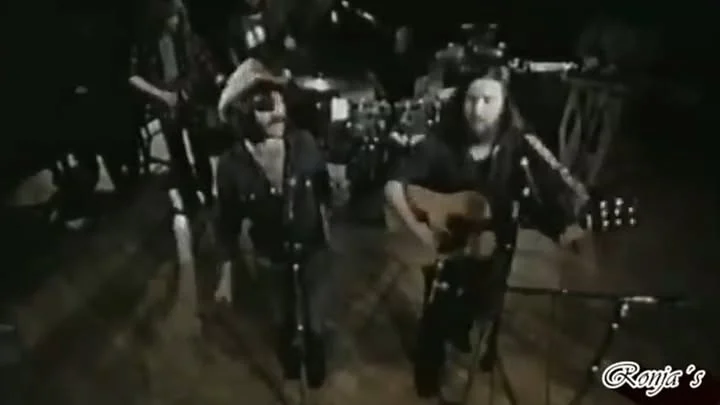
Dr Hook and the Medicine Show released Sylvias Mother in 1972 a ballad that stood apart from the bands usual playful irreverence. Written by the legendary Shel Silverstein the track captured a moment of raw vulnerability that felt both specific and universal. Silverstein known for his childrens books and cartoons had a gift for distilling complex emotions into simple scenes. Here he turned a telephone conversation into a miniature drama of heartbreak and resignation
Please Mrs Avery I just gotta talk to her
The narrators plea echoes through the decades. He knows Sylvia is leaving to marry someone else. He knows his call is futile. But love does not obey logic. The song paints a picture of a man caught between memory and reality while Mrs Avery stands as a gatekeeper with her calm refusal. The operator adds another layer of frustration a mechanical voice demanding payment for a conversation that is already costing everything
Silversteins genius lay in specificity. Many love songs speak of broken hearts in abstract terms but here we see the scene unfold. A lonely man in a phone booth. A mothers firm voice. The sound of coins dropping. The repetition of the operators reminder creates a rhythm of diminishing hope. It is a story as cinematic as it is tragic
Ray Sawyer the lead singer delivered the performance with a gravelly tenderness that matched the songs mood. His voice shifted between desperate pleading and weary acceptance. The instrumentation remained sparse letting the piano carry the melody while the intensity built in the chorus. This simplicity drew listeners into the claustrophobic space of that telephone booth making them feel every second of the narrators agony
The songs themes resonate beyond the 1970s. Unrequited love and the difficulty of letting go are timeless. The figure of Sylvia’s mother also represents societal pressure the expectation to move on and choose a suitable path. She is both a character and a symbol of all the forces that pull two people apart even when their hearts remain connected
Sylvias Mother became one of Dr Hooks biggest hits reaching the top ten in the US UK and beyond. Its success surprised many who saw the band as a novelty act. Over the years artists have covered the song each bringing their own interpretation to the heartbreak. But the original remains the definitive version a testament to the power of straightforward storytelling
Decades later the song still matters. In an age of elaborate production and abstract lyrics it stands as a reminder that music can capture the human experience with stunning clarity. A simple story about a phone call becomes a meditation on love loss and the bittersweet necessity of moving on. For anyone who has ever held onto hope beyond reason Sylvias Mother offers a cathartic embrace
The song stays with you like an old memory haunting and beautiful. It proves that a well told story no matter how simple can transcend time and speak to the universal truths of the heart