
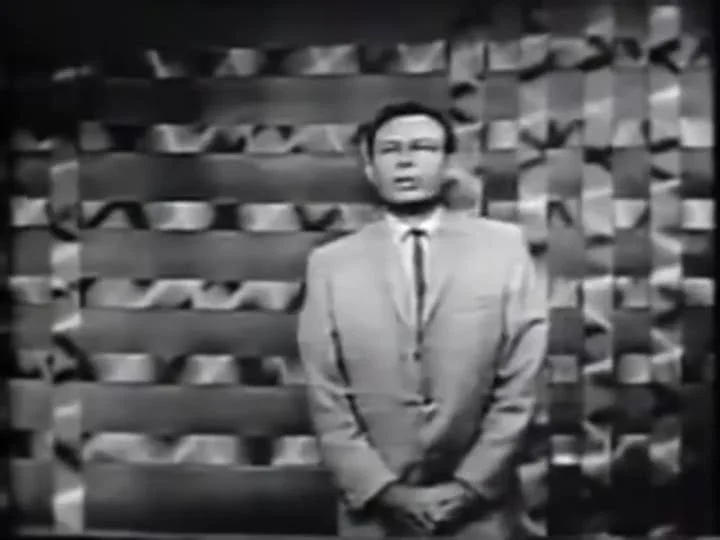
Put your sweet lips a little closer to the phone. In that single line, a universe of longing, jealousy, and quiet desperation unfolds. It is the opening plea of a man who knows his love is sitting beside another, yet dares to ask for exclusivity through a telephone wire. That vulnerable request belongs to Jim Reeves, whose baritone voice turned a simple conversation into one of country music’s most enduring classics. He’ll Have to Go is more than a song, it is a masterclass in emotional restraint and storytelling economy.
Released in early 1960, the track became an instant phenomenon, climbing to number one on the country charts and number two on the Billboard Hot 100. It introduced mainstream audiences to what would later be called the Nashville Sound, a polished yet heartfelt style that blended traditional steel guitars with lush orchestration. At its center stood Reeves, a man whose warm, gentle croon could make any listener feel like they were eavesdropping on a late night confession.
The story behind the song is as intriguing as the lyrics themselves. Nashville songwriters Joe and Audrey Allison crafted the tale after Audrey overheard someone on the telephone say, Hang up the phone, he’ll have to go. That simple phrase sparked an idea. Together, they built a narrative of a love triangle told entirely through a one sided conversation. The man on the line pleads with his lover to dismiss the other suitor, yet his tone never turns angry or demanding. Instead, it carries a resigned sadness that makes the request all the more poignant.
Reeves brought his signature vulnerability to the recording session. He did not oversing or add dramatic flourishes. He let the words breathe. The arrangement is sparse, a gentle guitar, a subtle bass line, and soft backing vocals that frame his voice without overwhelming it. Every note feels intimate, as if the listener has picked up an extension line and hears the whispered exchange. That delicate balance between simplicity and depth became the hallmark of Reeves’ artistry and a defining feature of the Nashville Sound.
Put your sweet lips a little closer to the phone
Let’s pretend that we’re together all alone
I’ll tell the man to turn the jukebox way down low
And you can tell your friend there with you, he’ll have to go
The song’s crossover appeal was unprecedented. It proved that country music could compete on mainstream pop charts without sacrificing its emotional authenticity. Artists from Elvis Presley to Dean Martin and Ry Cooder have since recorded their own versions, each interpreting the song’s universal themes of love and longing through a different lens. Yet none have matched the aching sincerity of Reeves’ original.
Tragically, Jim Reeves died in a plane crash in 1964, just a few years after this milestone. His untimely passing only cemented his legacy as Gentleman Jim, a voice that could soothe a broken heart with a single phrase. He’ll Have to Go remains his most celebrated work, a touchstone for generations of country fans and a vivid snapshot of a transformative moment in music history.
More than six decades later, the song still resonates. It speaks to anyone who has ever asked for a sign of commitment or felt the sting of sharing someone’s attention. The melody is gentle, the lyrics are direct, and the performance is flawless. In a world of fast paced production and loud hooks, He’ll Have to Go reminds us that the most powerful stories are often whispered, not shouted.