
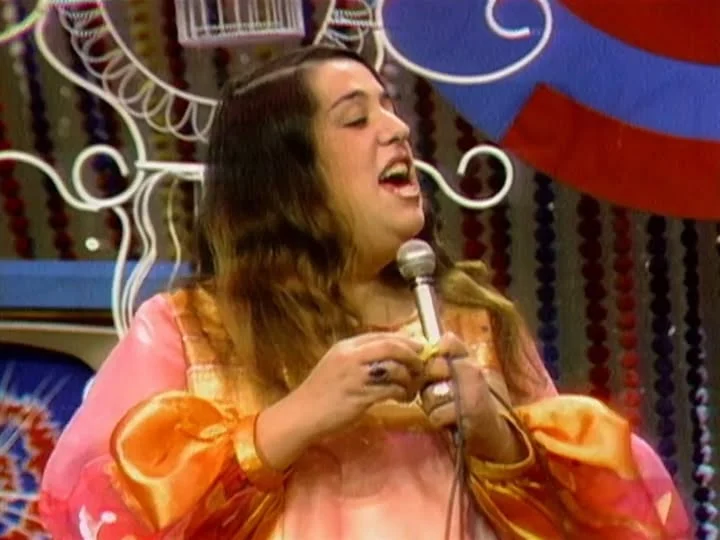
There is a moment in the song Monday, Monday when the harmonies seem to hang in the air like a held breath. It comes in the bridge, just before Cass Elliot’s deep alto anchors the melody, and the listener feels the weight of a week that has not yet begun. This is the emotional climax of The Mamas & The Papas 1966 masterpiece—a song that turns the most ordinary day into a metaphor for hope, heartbreak, and the stubborn resilience of the human spirit. Written in minutes by band member John Phillips and released on their debut album If You Can Believe Your Eyes and Ears, Monday, Monday became the group’s only number-one hit on the Billboard Hot 100. But its true legacy lies not in chart positions but in the way it captures the universal ache of facing a new start—whether that start is a workweek, a relationship, or the quiet promise of a fresh morning.
The story behind the song is almost folkloric. John Phillips reportedly wrote the lyrics in a single sitting after a burst of inspiration, and the band recorded it with the same effortless vocal chemistry that defined their sound. Unlike the politically charged anthems of the era, Monday, Monday turned inward, focusing on the small, private battles we all fight. It was a deliberate choice. Phillips and his bandmates—Denny Doherty, Michelle Phillips, and Cass Elliot—wanted to tap into everyday emotions rather than grand statements. And it worked. The song climbed the charts quickly in the spring of 1966, not because it shouted, but because it whispered something familiar.
The lyrics themselves are deceptively simple. The opening line, Monday, Monday, so good to me / Monday morning, it was all I hoped it would be, carries a buoyant optimism that soon gives way to uncertainty.
Oh Monday morning, Monday morning couldn’t guarantee / That Monday evening you would still be here with me
This shift from hope to disappointment mirrors a truth many of us recognize: the start of something new always carries the risk of disappointment. The day itself becomes a character—untrustworthy, fickle, yet somehow irresistible. The song’s melancholic refrain, Every other day of the week is fine, yeah / But whenever Monday comes, you can find me crying all of the time, speaks to a kind of emotional whiplash that transcends generations. It is a reminder that expectations and reality rarely align, and that the most routine moments can hold profound meaning.
Musically, the composition is a masterclass in dynamics. The song begins with a drowsy, almost hesitant tempo—exactly the way many of us feel on Monday mornings. Then, as the verses unfold, the pace quickens, pulling the listener into an emotional journey. The vocal harmonies are the real stars. Cass Elliot’s rich alto blends with Denny Doherty’s soulful tenor while Michelle and John Phillips weave in layers that are both lush and haunting. The result is a sound that feels nostalgic yet contemporary, a sonic representation of the tension between promise and reality. The production, spare but intentional, allows the voices to carry the weight of the story.
Cultural impact followed quickly. In 1967, Monday, Monday won the Grammy for Best Pop Performance by a Duo or Group with Vocal, cementing the band’s place in the folk-rock pantheon. It became an anthem for the ambivalent 1960s, a time of newfound freedom shadowed by uncertainty. Over the decades, the song has been covered by artists across genres and featured in films and television shows, its theme of fragile hope proving universal. It remains a staple on oldies radio and a quiet touchstone for anyone who has ever faced a Monday—or any new beginning—with both excitement and dread.
Why does it still resonate? Perhaps because the feeling it captures has not changed. In a world that moves faster than ever, the song offers a pause—a moment to acknowledge that the start of something new is always a gamble. The Mamas & The Papas gave voice to that gamble, turning a simple day of the week into something timeless. As long as there are Mondays, there will be people humming this song, finding solace in its harmonies and understanding in its melancholy. It is a small piece of art that reminds us that even the most ordinary moments can hold extraordinary meaning.