
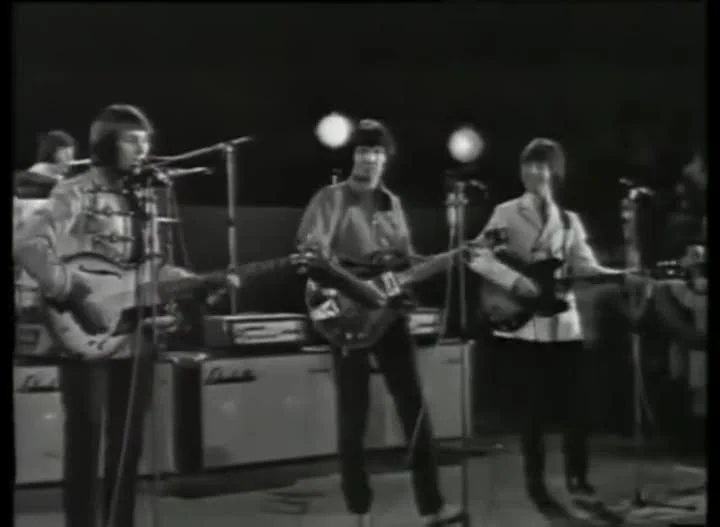
“Sometimes the quietest emotions leave the deepest impact. The Tremeloes understood this truth better than most when they transformed a forgotten B-side into one of the most achingly beautiful pop ballads of the 1960s.”
Picture this: a man watches the woman he loves walk blindly into heartbreak, her heart held by someone unworthy. He knows the painful truth. He could intervene, shatter her illusions, and risk destroying her trust. Instead, he chooses silence — not out of cowardice, but out of a love so profound that it hurts more than any accusation ever could. This is the emotional core of “Silence Is Golden”, the 1967 masterpiece by The Tremeloes that climbed to the top of the UK Singles Chart and captivated audiences across Ireland, New Zealand, and South Africa. Nearly sixty years later, its whisper still echoes louder than most anthems ever could.
The song’s journey to becoming a classic is itself a tale of creative resurrection. Originally recorded in 1964 by The Four Seasons, the track sat quietly on the B-side of “Rag Doll” before fading into relative obscurity. It took The Tremeloes — a band already carving their own path through the British pop explosion — to recognize the hidden gem within those neglected grooves. Their version emerged softer, more vulnerable, and infinitely more haunting. Where the original carried a brighter pop sheen, The Tremeloes sanded down the edges and let the melancholy breathe.
At first glance, the arrangement feels deceptively simple. Gentle guitar strums, a restrained rhythm section, and layered harmonies create a dreamlike soundscape that wraps around the listener like a comforting fog. But those who listen closely will detect the subtle ache beneath the surface. The track never raises its voice. It does not need to. The pain is carried in every carefully measured breath between phrases, in the way the harmonies rise and fall like a quiet sigh. The Tremeloes understood that emotional devastation rarely announces itself with fanfare — it creeps in quietly and settles deep in the chest.
The title itself carries centuries of philosophical weight. The proverb “speech is silver, silence is golden” has been traced back to Swiss origins and later popularized by Scottish thinker Thomas Carlyle. But The Tremeloes transformed this ancient wisdom into something far more intimate. In their hands, silence is not a noble choice but a torturous compromise. It is the space between two painful options — speak and risk causing deeper wounds, or remain quiet and watch someone you love suffer.
This tension is what elevates the song beyond a simple pop ballad into a meditation on the limits of love. The narrator does not sing about revenge or anger. There is no dramatic confrontation, no climactic revelation. Instead, there is only quiet resignation — a decision made in the privacy of a broken heart. Every line paints a portrait of emotional paralysis. The narrator sees the deception clearly yet remains frozen, torn between the impulse to protect and the fear of becoming the source of even greater pain.
Musically, The Tremeloes crafted their arrangement with remarkable restraint. Unlike many of their contemporaries who embraced the full-throated energy of rock or the kaleidoscopic experimentation of psychedelia, this band chose intimacy over extravagance. The lead vocal carries a hushed sincerity that feels almost confessional, while the backing harmonies wrap around it like a protective embrace. The chorus is particularly devastating — tender yet sorrowful, beautiful yet bruised. It lingers in memory long after the record stops spinning.
The production reflects the best of late-1960s British pop while retaining a timeless elegance. There is no excessive instrumentation or dramatic flourishes to distract from the emotional weight. Every element serves a purpose. The clean mixing allows the vocals to remain front and center, where the story can land with full impact. This refusal to overcomplicate is precisely what grants the song its enduring power.
What makes “Silence Is Golden” resonate across generations is its fearless exploration of a universal emotional dilemma. Everyone has faced that agonizing moment of knowing a truth that could either heal or destroy. The song offers no easy answers. It simply acknowledges the weight of that choice with unflinching honesty. In an era when pop music often celebrated the highs of young love, The Tremeloes dared to sit with the quiet suffering that love can also bring.
The track’s commercial success was undeniable, but its true legacy lies in the emotional connection it continues to forge with listeners. Older audiences remember hearing it crackle through transistor radios in the summer of 1967. Younger audiences discover it through nostalgic playlists and classic hits stations, often startled by how modern its emotional honesty still feels. The setting may be retro, but the heartbreak is timeless.
The vocal performance deserves special recognition. There is no theatrical excess, no straining for effect. The lead vocalist delivers each line with delicate precision, allowing the sadness to seep through in subtle inflections and controlled breaths. The harmonies do not overpower but rather support, creating a texture that feels both intimate and expansive. It is the kind of vocal arrangement that sounds effortless yet required immense discipline and emotional intelligence to execute.
Beyond the technical craftsmanship, the song endures because it touches something deeply human. It reminds us that the most profound expressions of love are not always loud or demonstrative. Sometimes, the greatest act of compassion is choosing to carry the burden of painful knowledge alone. The narrator does not seek redemption or gratitude. He simply absorbs the hurt and lets his silence become a shield for someone else.
“Silence Is Golden” stands as a testament to the power of emotional storytelling in classic pop music. It proves that the quietest songs often speak the loudest truths. While countless hits from the 1960s have faded into nostalgic footnotes, this track continues to feel startlingly relevant. The situations may change, but the heart remains the same. Human beings still love too deeply, still protect too fiercely, and still struggle with the impossible choice between honesty and mercy.
Decades after its release, The Tremeloes’ haunting ballad remains one of the most beautifully crafted songs ever written about the things we leave unsaid. It is a song that does not demand to be heard — it simply waits, patient and golden, for listeners who are ready to feel its quiet weight.