
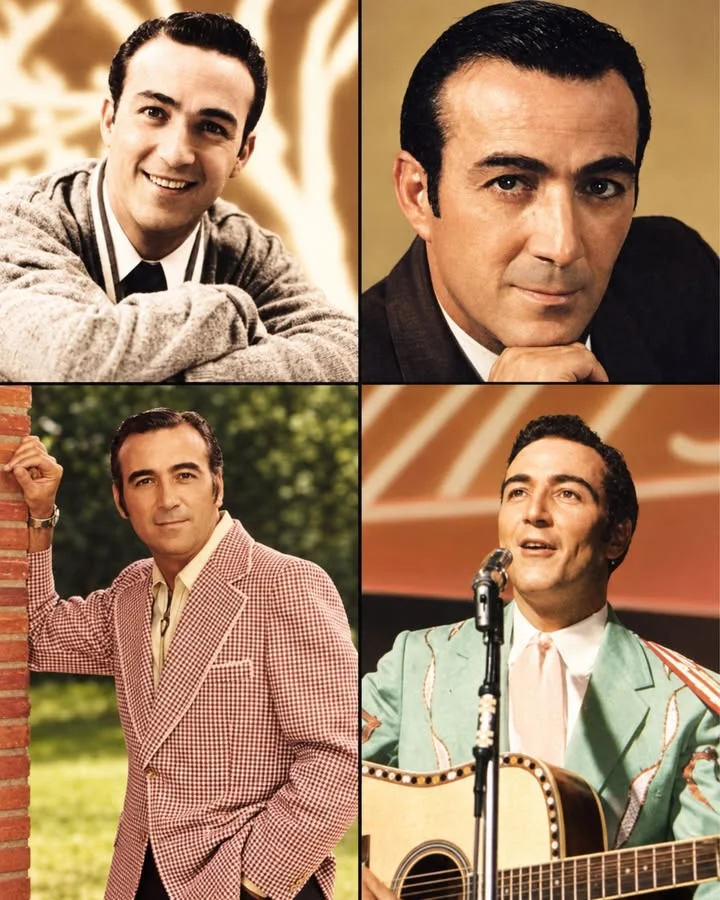
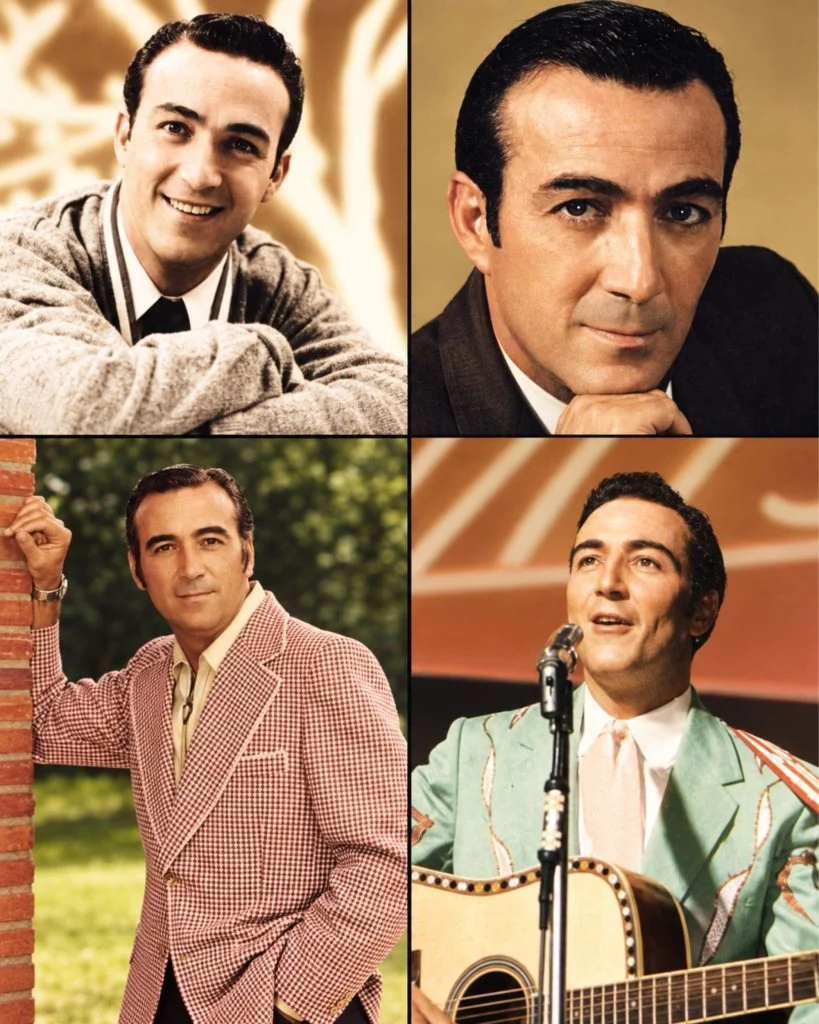
Four years after Faron Young left this world, the Country Music Hall of Fame finally welcomed him home. The honor arrived in 2000, but the man who needed to hear it most was already gone.
That timing created a sorrowful ache at the center of an otherwise triumphant story. Faron Young had spent nearly four decades as one of country music’s most impossible to ignore figures. He was restless and funny, volatile and generous, difficult and magnetic, often in the same week. He could fill a room with noise and laughter and tension and warmth, all at once.
From “Going Steady” in the 1950s to “Hello Walls” to “It’s Four in the Morning,” he proved he could turn a raw feeling into a radio hit. He also helped Willie Nelson climb early in his career by cutting “Hello Walls.” He built businesses in Nashville. He published Music City News. He carried himself like a man who expected the world to pay attention.
The New Era Left Less Room For A Country Music Force
But the country music business kept changing. By the late 1980s and early 1990s, younger faces and slicker marketing and a different radio hunger had taken over the format. Older performers were admired in theory, yet admiration did not always lead to airplay or bookings or daily relevance.
Faron continued recording for Step One into the early 1990s, but the center of the industry had moved. The machine no longer seemed to need him the way it once had. For a man whose very personality was built on movement and noise and recognition, that kind of fading could be brutal.
Friends said he grew bitter about the way older performers were treated. He turned down invitations. He withdrew from people who had known him for years.
The man who seemed incapable of disappearing was quietly leaving every room before anyone fully understood how far he had gone.
Health Problems Made His World Smaller
It was not only the music business that wounded him. His body was failing too.
Faron Young was dealing with emphysema and had undergone prostate surgery. People close to him described a man becoming more isolated and despondent. UPI reported that he had quietly slipped away from the country scene and was living largely alone.
Physical pain and professional rejection do not stay in separate boxes. Illness shrinks the body. Career loss shrinks the daily world. Isolation makes both louder. For a man who had spent his life performing and joking and traveling and singing and promoting, being alone with decline felt like a punishment of its own.
Country music had known Faron as a public force. His final years were private in the hardest sense of the word.
December 1996 Brought A Tragic End
On December 9, 1996, Faron Young took his own life at his Nashville home. He died the following day at sixty-four.
Contemporary reports cited his failing health and discouragement over the decline of his career as factors friends believed were weighing on him. No single sentence can explain the end of a life, and it would be unfair to reduce his death to one cause or one illness. But the accounts from those around him point toward a man carrying physical pain, loneliness, bitterness, and the fear that the music world he had helped shape had moved on without him.
Recognition arrived. But not in time for the man who needed to feel it.
The Hall Of Fame Corrected His Legacy
Four years later, in 2000, the Country Music Hall of Fame inducted Faron Young. The recognition was deserved, but it was also late.
That delay changed the emotional frame around his final years. The man who had feared being left behind was formally placed inside the institution charged with remembering country music’s essential figures. His work, his personality, his records, his place in Nashville’s development, all of it was finally sealed into the official story.
But he was not there to hear it. That absence gives the honor a bitter edge. Awards and inductions can preserve a name, but they cannot go back and sit with a man in the years when he felt forgotten. They cannot undo illness. They cannot repair isolation. They cannot return an invitation that never came.
Faron Young had not been a man left outside the story. He belonged inside it, in the records, the road years, the Nashville institutions, the memories of artists he helped, and the rough, vivid personality that made him impossible to ignore when the lights were still on.
The tragedy is that he did not live to stand in that recognition. The legacy is that the music finally said what the late years had made him doubt.
Country had not moved on without Faron Young. It had carried him farther than he knew.