
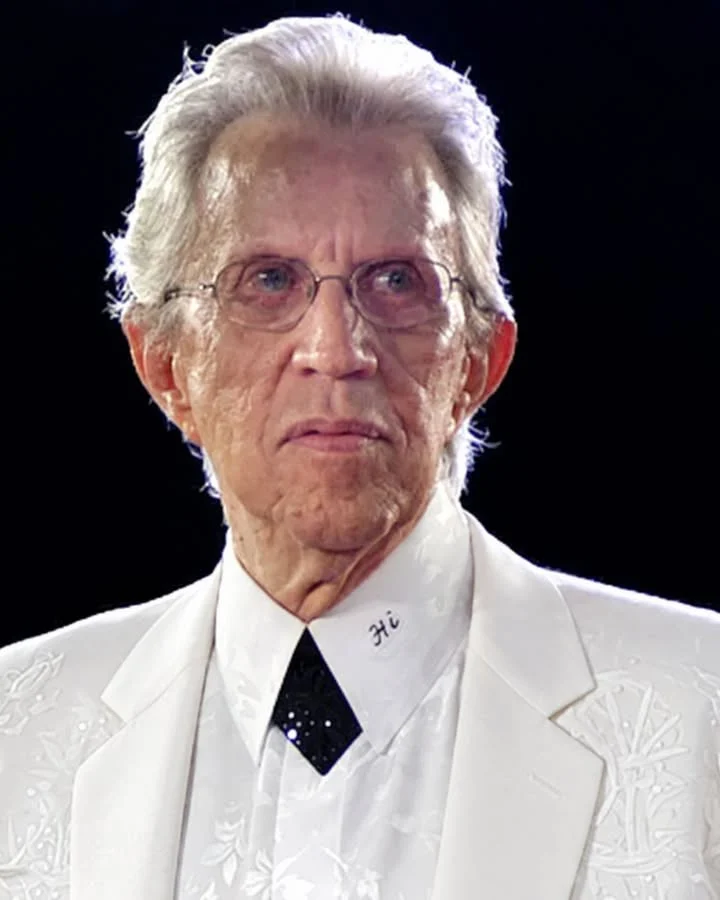
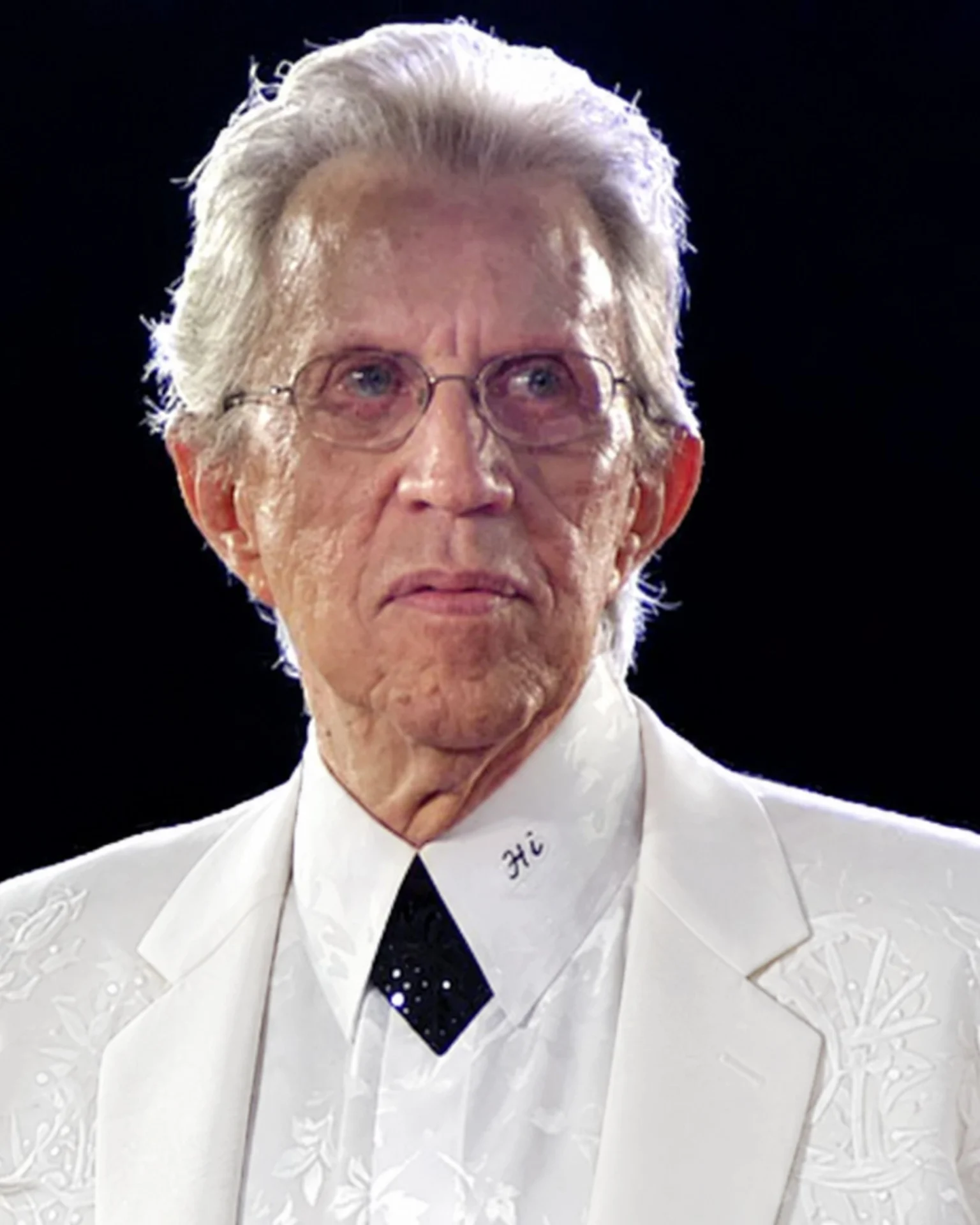
The rhinestone suits shimmered under studio lights. The smiles were practiced and warm. Every week, millions saw a man in control. But in late 1965, the man behind the glitter watched his world fall apart in four directions at once.
He worked until he wore himself out.
Porter Wagoner admitted that simple truth after his doctor ordered him into Nashville’s Parkview Hospital. The collapse came just after New Year’s 1966. But the pressure had been building for months.
In December 1965, his son Richard left for the Army. Within days, Porter moved out of the home he shared with his wife Ruth. The marriage would remain legally intact for another twenty years, but the shared life was over.
At the same time, his long relationship with singer Norma Jean was also breaking down. Porter later acknowledged they had been romantically involved. Norma Jean wanted marriage. Porter had no intention of divorcing Ruth and starting over. The show’s familiar face was hiding a personal fracture.
There was more weight pressing down. His brother Oscar had recently been injured in a wreck. The Porter Wagoner Show was expanding. The road schedule was punishing. Porter was maintaining the relentless pace expected of a major country star.
That kind of life can wear a man down quietly before it breaks him loudly. Not long after New Year’s 1966, his doctor admitted him to Parkview Hospital. Porter described the collapse in simple terms. He had worked until he wore himself out.
The polished television image from those years looks different in retrospect. The rhinestone suits were real. The charm was real. But so was the exhaustion. So was the broken household. Viewers saw a man in control. Away from the cameras, the family structure had fractured, and one of the closest personal relationships inside his own show was ending with it.
He went back to work.
Norma Jean eventually left the program. In 1967, a young Dolly Parton took her place. That change opened one of the most important professional partnerships in country music, producing years of hit duets and making Parton a national figure.
But the transition had begun during a much less triumphant season than the later television clips suggest. Before Dolly Parton walked onto Porter Wagoner’s set, the man waiting there had just come through a year in which home, love, family and work had become almost impossible to keep separated.
The famous clips show Porter smiling beside Dolly, the suits shining, the harmonies clean, the future opening. What they do not show is the season just before it — when even the man in the brightest suit could no longer keep everything standing.