
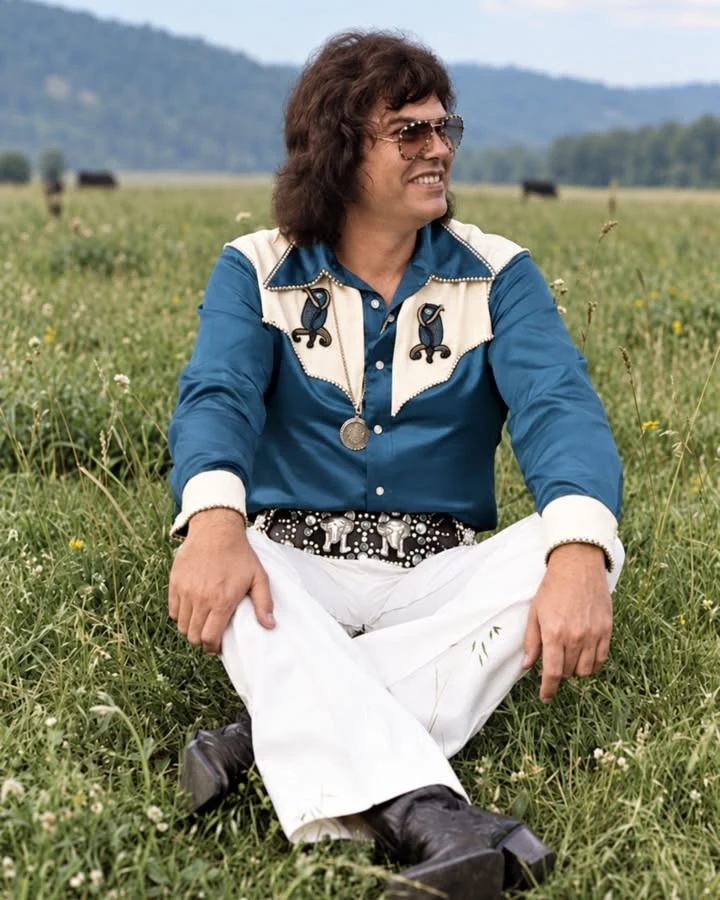
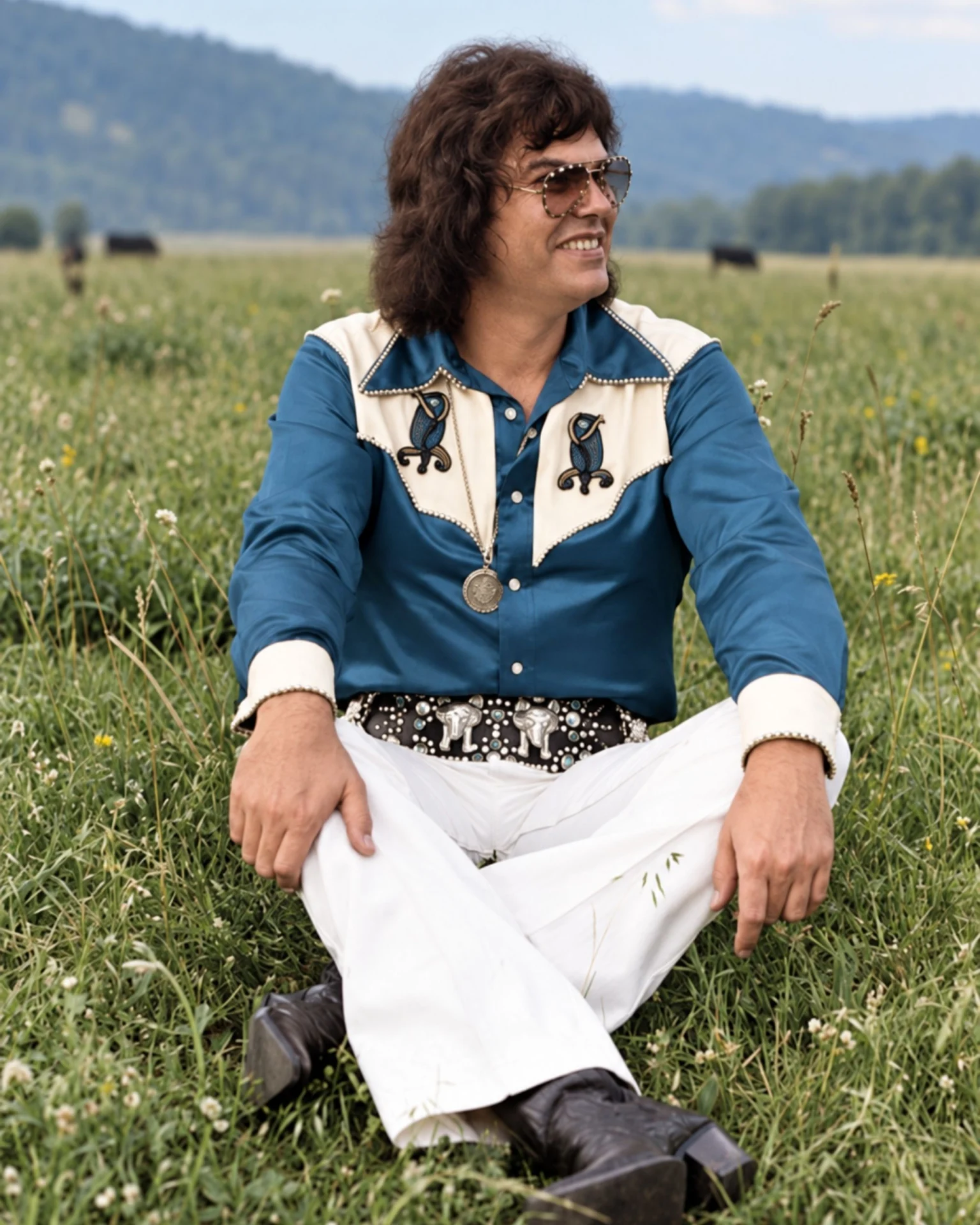
One sentence changed everything for a blind musician who almost chose law over the sound already living inside him.
Ronnie Milsap was ready to walk away from music. He had the grades, the discipline, and the practical plan. Law school was the safe road, the one that promised security and respect. But then Ray Charles heard him play, and the trajectory of both their lives shifted forever.
This moment wasn’t just about a student meeting his hero. It was about an old truth being spoken aloud: the gift inside you isn’t a hobby, it’s an identity. For Milsap, that truth hit like a lightning bolt.
From Classical Rooms to Late-Night Radio
Most of Milsap’s childhood was spent at North Carolina’s state school for the blind. There, classical piano and violin were as much a part of his education as math and reading. But the real curriculum came through the radio dial—every scratchy country ballad, every soulful gospel hymn, every rhythm and blues groove that slipped into his room long after lights out.
Those sounds weren’t just entertainment. They became the language he would speak for the rest of his life. Yet the adults around him, the ones who cared about his future, saw risk.
“They warned me that trying to become a professional musician could leave me dependent on the state,” Milsap later remembered.
The pressure was real. Choose the safe path. Don’t gamble on a dream that might not pay the bills.
A Meeting That Changed Everything
By 1962, Milsap was studying pre-law at Young Harris College, a road that could have led him far away from a stage. But the music inside him was pulling harder than the promise of a paycheck. Then, fate intervened in the form of his musical hero.
Ray Charles was living proof that blindness couldn’t dim the light of a true artist. When he heard Milsap play, he didn’t hear a risk—he heard a calling.
“Charles could hear the music inside him,” his official biography simply states.
That small sentence carried the weight of a thousand lectures. Where others saw uncertainty, Ray Charles saw identity. He gave Milsap permission to trust the very thing the world was telling him to abandon.
Nashville Didn’t Come Easy
The decision to follow music didn’t open doors instantly. Milsap spent years paying dues in Atlanta clubs, recording soul and R&B for small labels, and eventually landing in Memphis at Chips Moman’s American Studio. That work put him in the room with Elvis Presley, playing piano on “Kentucky Rain.”
By the early ’70s, Milsap had touched almost every corner of American popular music—yet the career that would define him remained just out of reach. Then another voice of encouragement joined the chorus: Charley Pride.
On December 26, 1972, Milsap walked into Nashville’s King of the Road Hotel as the headlining act. The response was electric. Within weeks, he had a manager. Within months, he was signing with RCA. Nashville didn’t receive a beginner; it received a musician forged in fire.
The Sound That Crossed Boundaries
What followed wasn’t a typical country career. Milsap blended soul phrasing, pop instincts, and piano-driven melodies into something radio had never heard before. He pulled listeners from all sides—country purists who loved a story, pop fans who loved a melody, and everyone who loved pure emotion.
He scored thirty-five Billboard No. 1 country hits, but the real victory was breaking the genre open.
“He didn’t just fit in country music; he expanded what country music could be,” one critic noted.
Listening for Destiny
Ronnie Milsap’s story isn’t just about choosing music over law. It’s about who helped him hear the truth. The counselors warned him about dependency. Ray Charles heard destiny. And when the greatest blind musician of his era told you to follow the music already inside you, it wasn’t a suggestion—it was a revelation.
The road was long. The clubs were empty. The doubt was real. But every step led to a place where a kid from a school for the blind became a legend who made country music reach further than anyone thought possible. The safer path pointed toward law. The one he chose changed the sound of an entire generation.
And deep inside that turn, there’s always a whisper from Ray Charles, reminding us that some gifts aren’t side roads—they are the road.