
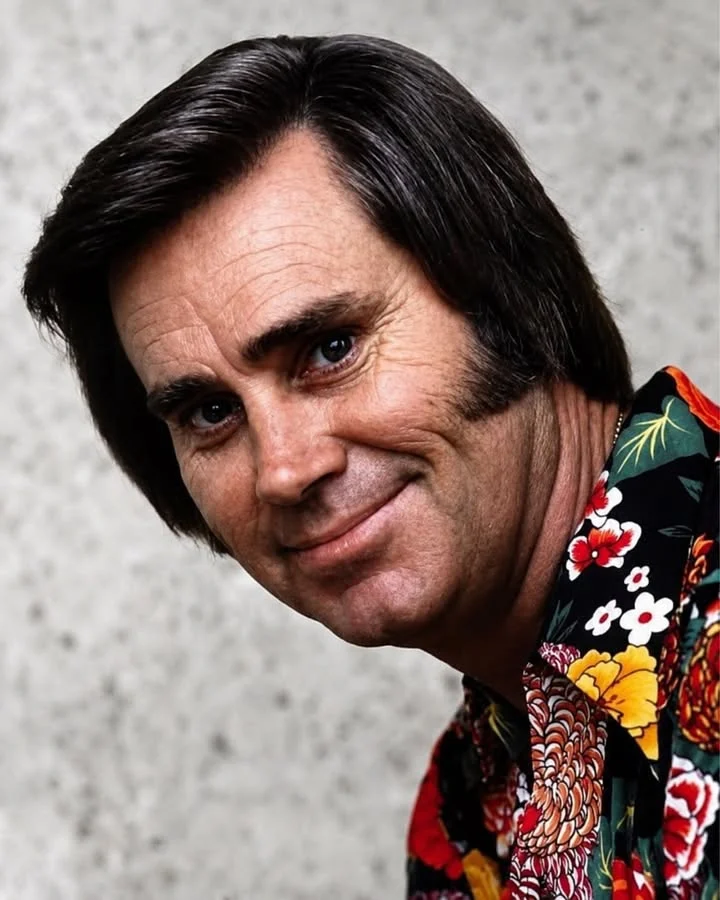
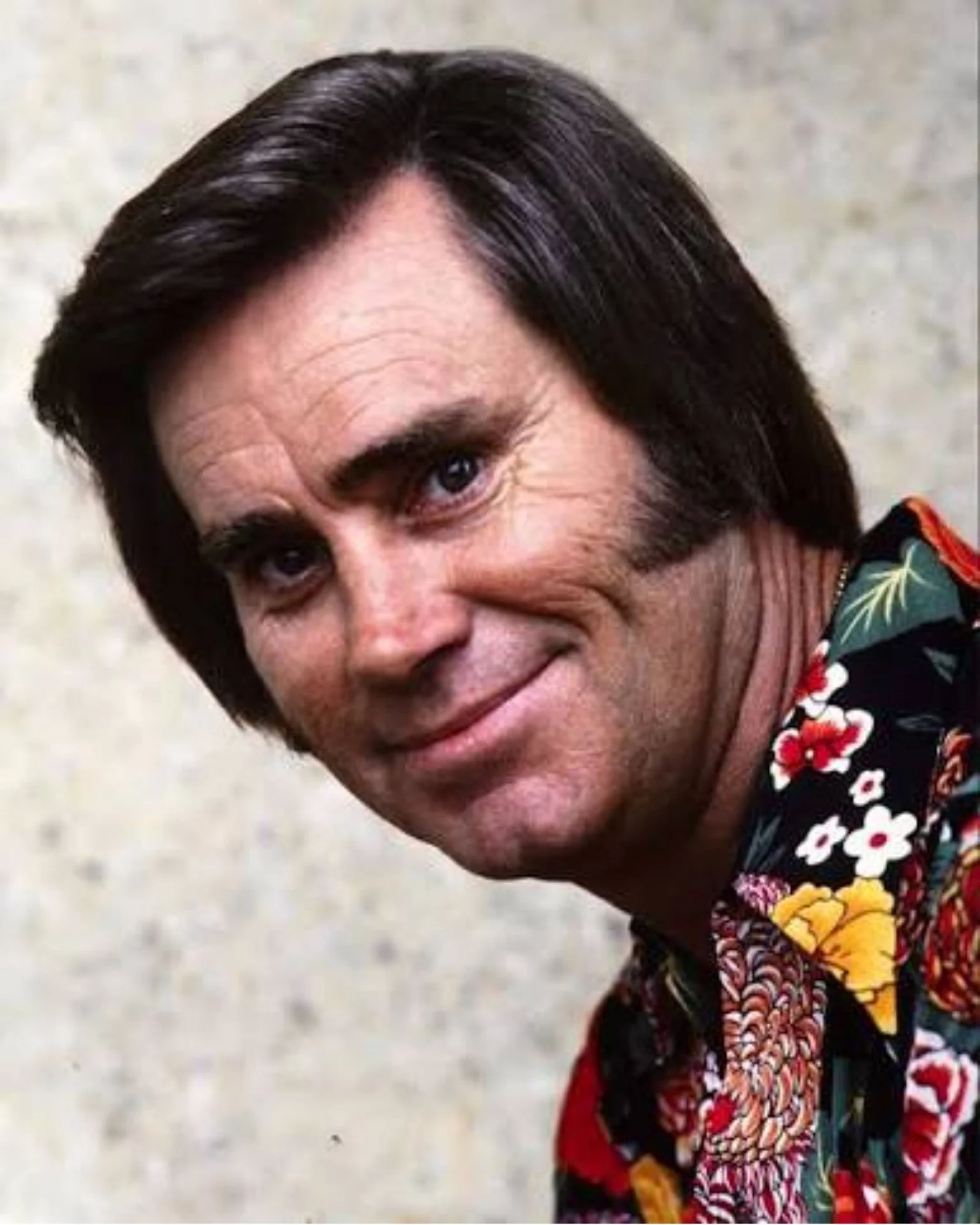
On a cold night in 1999, Alan Jackson stood on the CMA stage ready to perform his hit “Pop a Top.” But instead, he stopped his band mid-song, looked at the audience, and sang a different tune. He sang “Choices” – the very song the network had refused to give George Jones time to perform.
That moment became a defining protest in country music history. But the story behind “Choices” began months earlier with a crash that nearly killed one of the genre’s greatest voices.
The Crash That Changed Everything
On March 6 1999, George Jones crashed his Lexus near his home in Franklin Tennessee. The accident left him with a ruptured liver and internal bleeding. Investigators found alcohol in his system. For a man who had struggled with drinking for decades, this was a brutal public relapse.
Jones spent years trying to leave that life behind. The wreck forced him to confront it again. During his recovery, songwriters Billy Yates and Mike Curtis brought him a new song called “Choices.”
A Song He Did Not Want to Sing
Jones heard the lyrics about a man looking back at his decisions and admitted the truth. He felt uncomfortable. The song was too autobiographical, especially after the crash. But he recorded it anyway.
“That discomfort is why the record mattered,” said one producer. “Some songs let a singer act. This one left him nowhere to hide.”
Released in 1999, “Choices” won the Grammy for Best Male Country Vocal Performance. It reintroduced Jones to an audience that had begun treating him like history rather than an active artist.
The CMA Controversy
When Jones was invited to perform at the CMA Awards, the broadcast offered him only a shortened version of the song. He declined. Then Alan Jackson took action.
During his own performance, Jackson stopped his band and sang part of “Choices” instead. It was unscripted. It was live television. And the audience understood the message immediately.
Jackson was not just honoring a favorite elder. He was telling the industry that George Jones still belonged in the spotlight.
That moment lasted because of what Jones represented. For years he had been the man who could not get out of his own way. The missed concerts, the drinking, the chaos had overshadowed his voice. But in 1999, after the wreck and after “Choices,” the story shifted.
Alan Jackson stopping his own song was not pity. It was respect. It declared that George Jones was still one of the central voices of country music. The song he recorded after nearly dying deserved to be heard whole.
What the Song Left Behind
The deepest part of this story is not just that George Jones recorded a great late-career song after a near-fatal crash. It is that the song forced him to stand inside the very life people had been talking about for decades.
He recorded it anyway. And because he did, the record became more than a comeback single. It became a late confession from a man who had survived the damage long enough to finally name it.
Then Alan Jackson stopped his own CMA performance to sing the song George Jones had been denied the time to sing. That is why the moment still lasts.
George Jones spent much of his life making choices that nearly destroyed him. In 1999, one difficult song, one younger artist’s protest, and one wounded voice reminded country music that the man was still here and that the consequences had not silenced him yet.