
Waylon Jennings walked out of that hospital with the same voice that had already made him a hit maker. The difference was not in his throat. It was in his contract. He had gone in sick, broke and ready to quit. He came out holding the creative control that would define the outlaw era.
The moment did not look like a legend being born. It looked like a worn down singer fighting for money to cover hospital bills. But the fight did not end with a check. It ended with a change in power.
For years Jennings had watched his records get smoothed over by Nashville producers. Session players replaced the band he trusted. Arrangements got polished until they no longer sounded like the hard country rock he played onstage. He had hits. He had a name. He did not have freedom.
Then his body forced the issue. Hepatitis put him in a hospital bed in 1972. Sick and frustrated, he asked RCA for a $25,000 royalty advance just to cover expenses. The label did not see it as an emergency. They saw it as a chance to lock him in again with the same old terms.
That was when drummer Richie Albright brought Neil Reshen into the picture. Reshen studied the RCA deal and told Jennings not to accept the business as usual. The label came back with a $5,000 bonus to renew under the same royalty structure. Jennings turned it down. He hired Reshen instead.
The most important thing that ever happened to Waylon was not the beard or the leather. It was the moment he could finally say no.
The negotiation shifted everything. Jennings received a much larger advance and, more importantly, the right to control his recordings. He could pick his own songs. He could bring his own road band into the studio. He could shape the final sound instead of surrendering it to someone else’s idea of country music.
The results arrived quickly. In 1973 he released Lonesome, On’ry and Mean and Honky Tonk Heroes. That second album leaned heavily on Billy Joe Shaver’s songs and sounded like a direct line from the stage to the master tape. It was tougher, leaner and more alive than anything Nashville had been letting him make.
Then came This Time, The Ramblin’ Man and Dreaming My Dreams. One after another, those records closed the distance between the Waylon Jennings onstage and the voice on the radio. The audience already knew that version of him. Now the music finally matched.
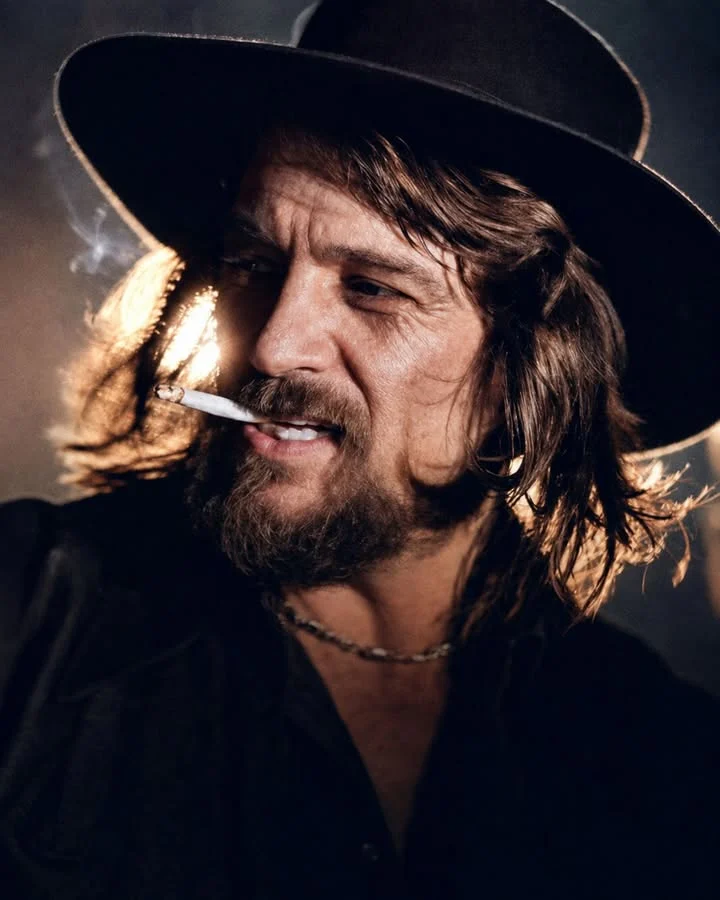
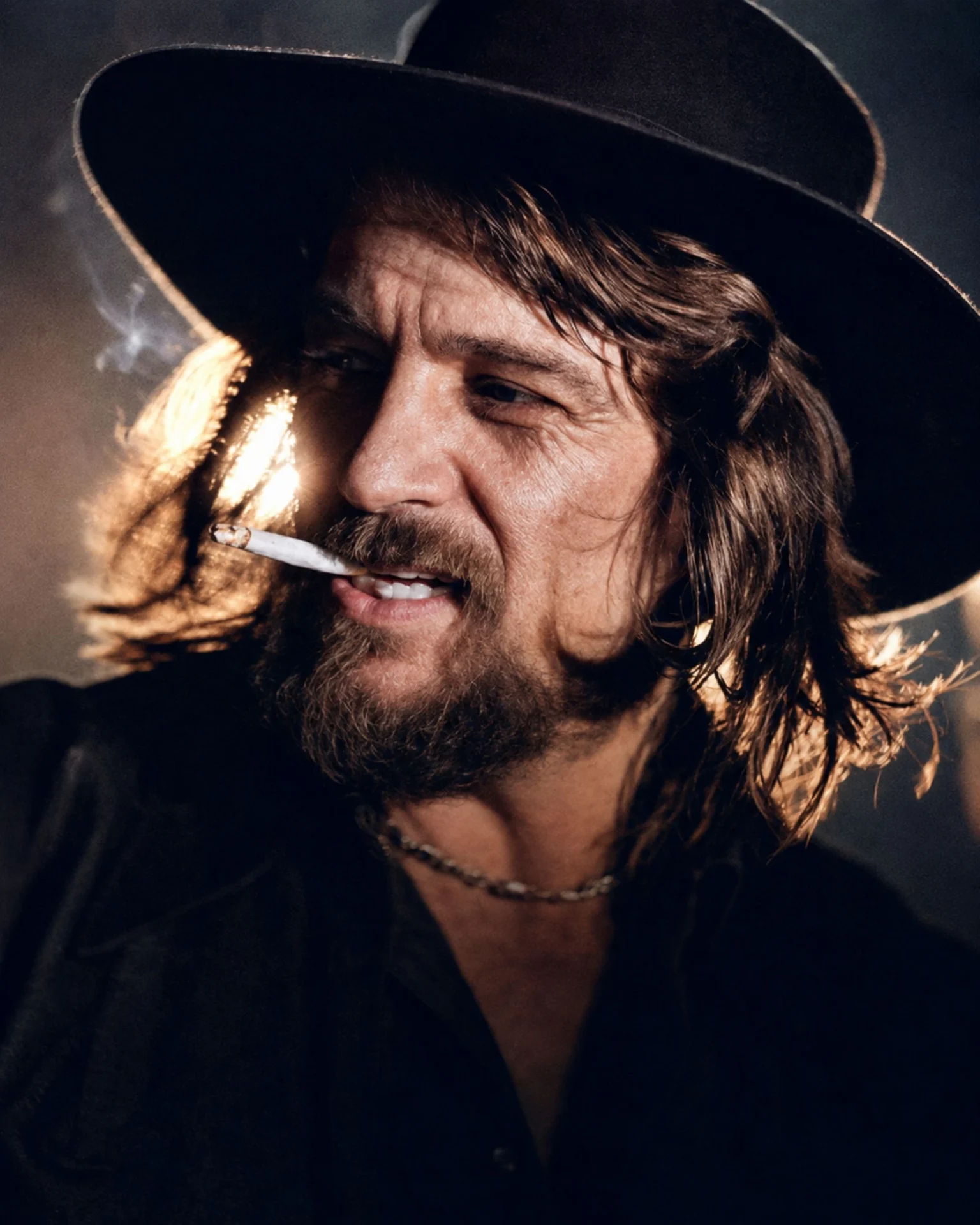
The beard, the leather and the black hat came later. So did the word outlaw. Those symbols made great imagery, but they were not the true beginning. The true beginning was legal. It was a contract. It was the power to turn down a $5,000 bonus and demand something bigger than money.
Waylon did not walk out of that hospital as a completely new man. He walked out as the same man with a stronger hand. That was enough. Once he could make records on his own terms, the outlaw era did not need to be invented by a marketing department. It was already alive in his band, his songs and the fight he had almost quit before he finally won.