
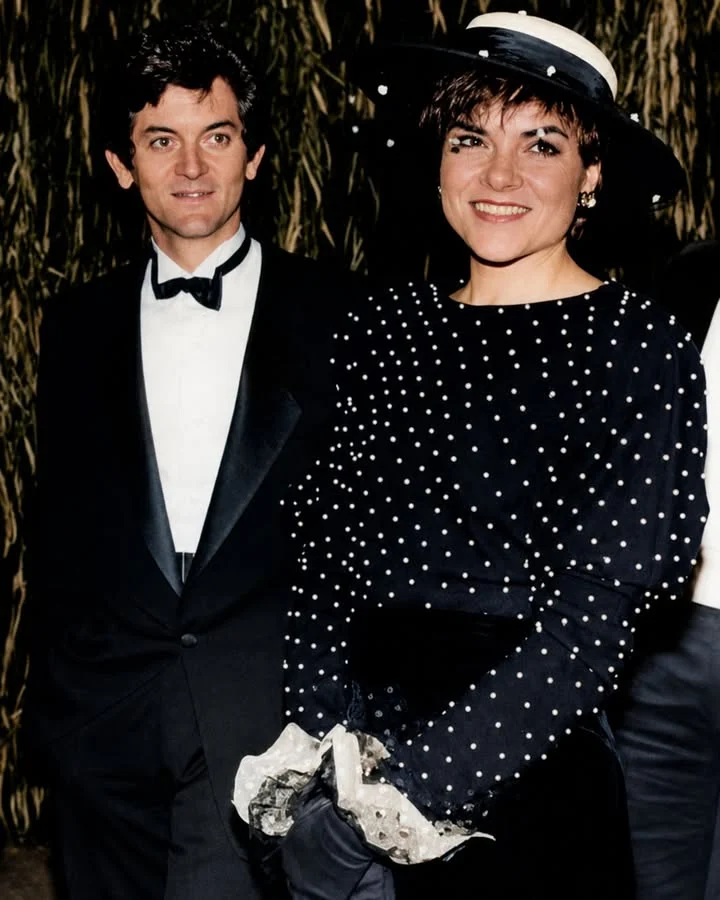
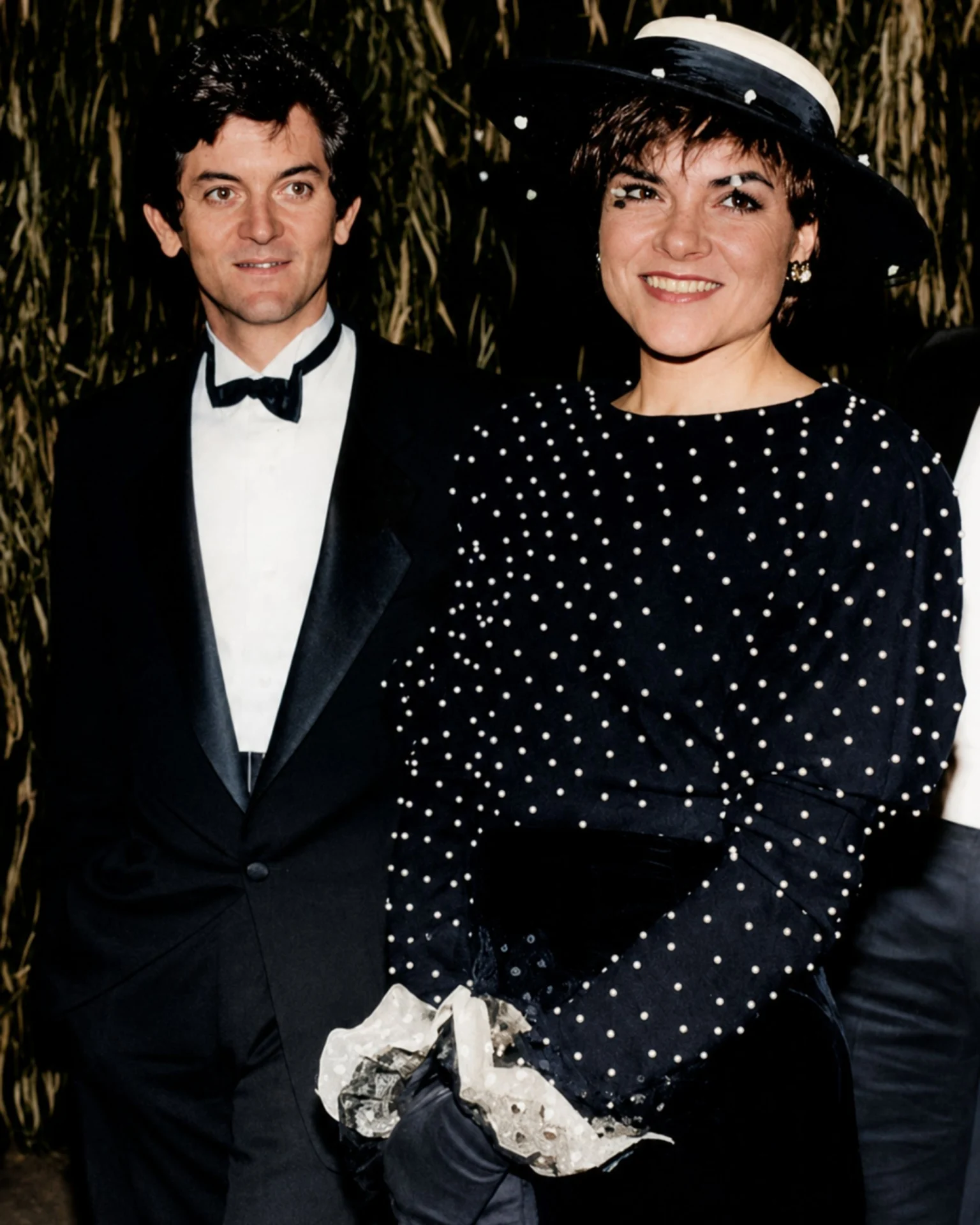
The most revealing country duet of the 1980s was never about the love story it seemed to tell. It was about a marriage that was already slipping away. Rodney Crowell and Rosanne Cash recorded It’s Such a Small World together in 1988, and the song became a number one hit. Behind that flawless vocal blend sat a private truth the radio never played. Their marriage was breaking apart.
The two had married in 1979, when both were still chasing their own identities. Crowell had recently left Emmylou Harris’s Hot Band, carrying the reputation of a gifted Texas songwriter but still looking for his own place in the spotlight. Cash was determined to step out from under the weight of her father’s name. She had a voice and a point of view that belonged to her alone.
What started as a marriage quickly became something more complex. It became a working partnership, a creative laboratory, and a family. Crowell produced Cash’s early records for Columbia, including the 1981 album Seven Year Ache. The title track went all the way to number one on the country charts and crossed into the pop top forty. Two more singles from the same album, My Baby Thinks He’s a Train and Blue Moon with Heartache, also reached the top spot. Those songs introduced a new kind of country heroine, one who sounded cool, wounded, intelligent, and completely in control.
While the music climbed, the family grew. Crowell and Cash had three daughters together, and Cash also helped raise Crowell’s daughter from an earlier marriage. Touring had to fit around school runs and bedtimes. The couple built a home life that was both a refuge and a pressure cooker. They were parents, partners, and artists all at once, and the demands never stopped.
By 1987, both were near the top of their powers. Cash released King’s Record Shop, an album that produced four number one singles. Crowell, meanwhile, was finishing Diamonds & Dirt, a record that would become his own commercial breakthrough. The following year, Cash joined him on It’s Such a Small World, a duet about former lovers meeting again and pretending the past has lost its sting.
The song shot to number one, but the irony was sharper than any lyric. Their marriage was already under strain. Two people who had helped build each other’s careers were still blending beautifully in the studio, even as the private structure around them began to crack.
Sometimes harmony outlasts the home that held it.
Cash would later pour that tension into Interiors, a stark 1990 album she produced herself. The record turned away from the polished Nashville sound that had made her a star. Instead, it looked directly at the quiet damage of a relationship falling apart, the blame, the distance, the self-examination. It was not designed for easy radio. It was the sound of a woman taking control of her own narrative.
The couple divorced in 1992. By then, their creative fingerprints were all over the most important country records of the decade. They could not make the marriage last, but they had spent more than a decade sharpening each other’s instincts, framing each other’s voices, and pushing each other toward better songs.
What remains is not simply a catalog of love songs. It is the story of two ambitious writers who learned how to make each other stronger even when they could no longer make the marriage work. That is the real legacy of Rodney Crowell and Rosanne Cash. Not the hits, but the way they shaped each other into artists who could tell the truth.