
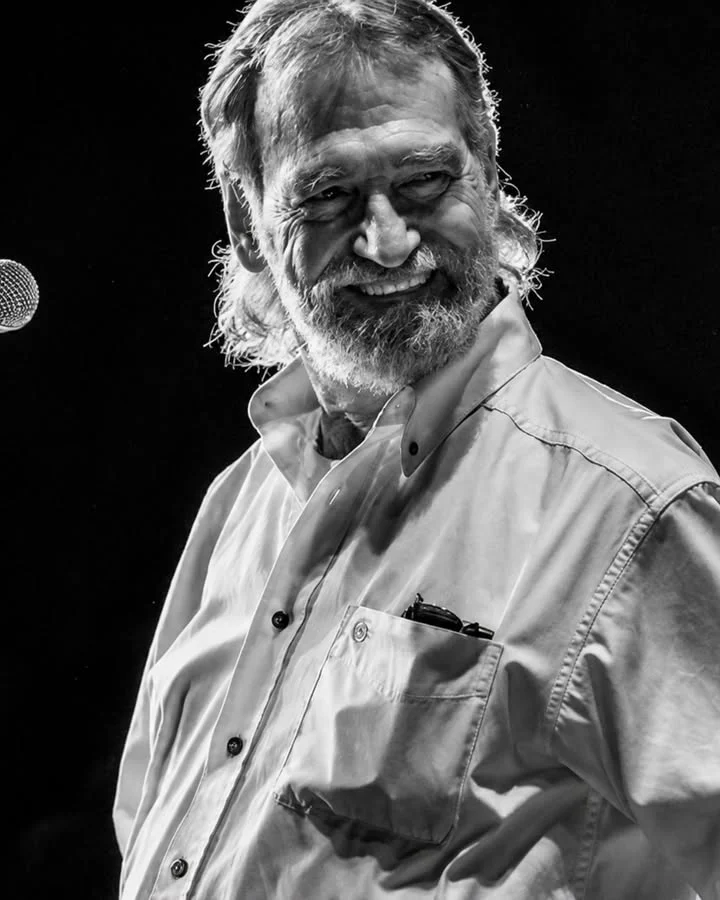
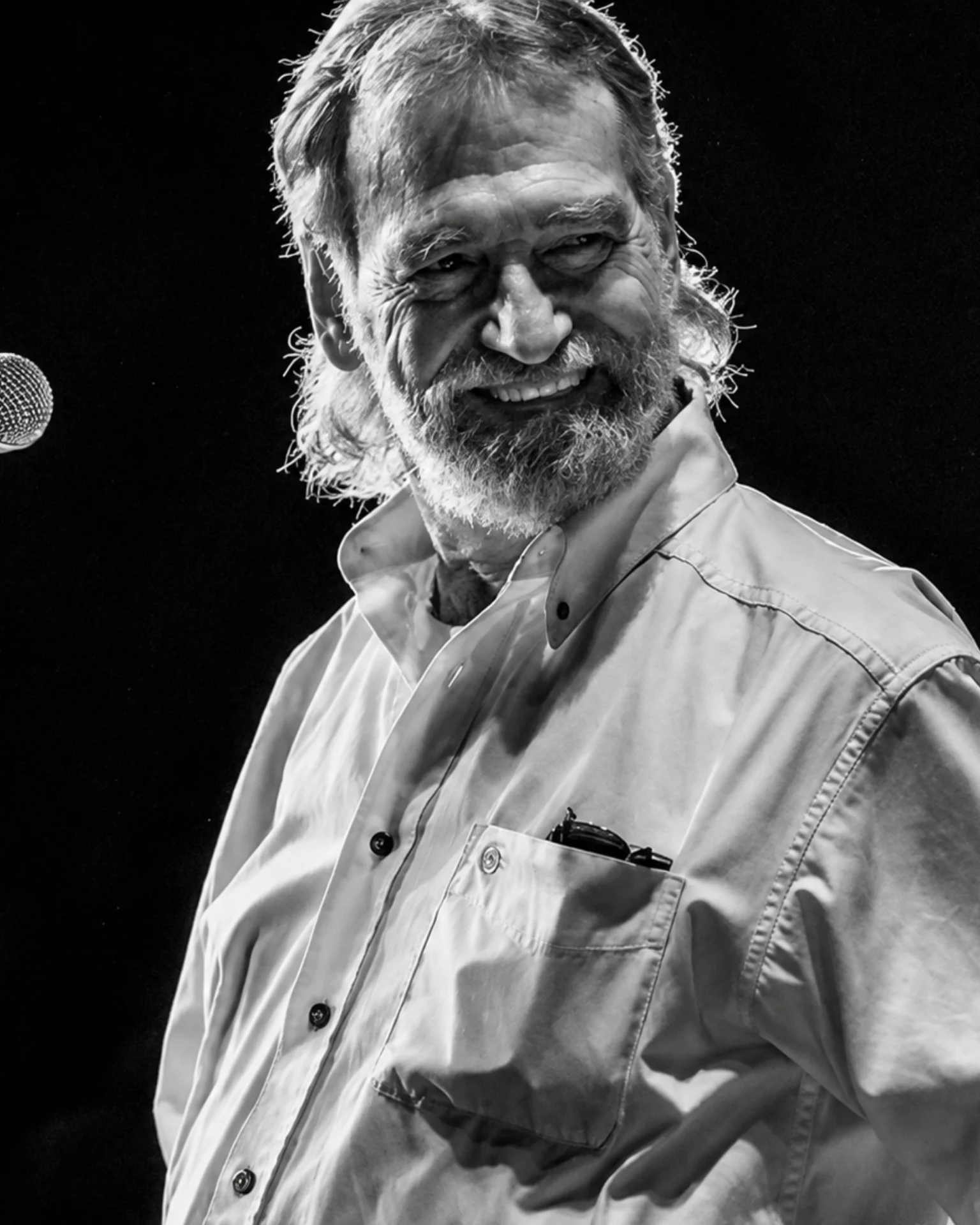
Donnie Fritts sat at his weathered Wurlitzer electric piano, singing songs he loved. Some were his own. Some were not. The room was quiet except for his voice and the worn keys. John Paul White sat nearby listening. What he heard that day made him believe that this seventy-two-year-old musician had one more great record inside him.
Fritts had spent most of his life standing beside other people. He helped shape the early Muscle Shoals scene. He wrote songs recorded by Waylon Jennings, Dusty Springfield, and Ray Charles. He spent decades playing keyboards behind Kris Kristofferson. But by 2015 he had released only three solo albums in more than forty years.
His health had taken a toll. A kidney transplant and heart problems had slowed him down. He did not expect another label to come looking. Seventy-two-year-old men did not get record deals.
Seventy-two-year-old men don’t get record deals.
Then John Paul White came to visit. White, formerly of the Civil Wars, had become friendly with Fritts around the 2013 premiere of the Muscle Shoals documentary. During a visit to Fritts’s home, he heard the older musician playing at the Wurlitzer. White recognized something rare in that bare combination of voice and piano. Decades of sideman work had never fully exposed that sound.
White told Fritts that if they made a record, they would start with exactly that sound. The project became Oh My Goodness. John Paul White and Ben Tanner produced it keeping Fritts and the Wurlitzer at the center. Friends and admirers gathered around. They included John Prine, Jason Isbell, Brittany Howard, Spooner Oldham, and Reggie Young. They did not come to rescue an old musician from the past. They came because he had helped build the ground they were standing on.
Fritts revisited songs connected to Arthur Alexander, John Prine, and Dan Penn. He also recorded newer material including Tuscaloosa 1962. The album let old songs, friendships, and memories sit together like people around a kitchen table after midnight.
After the album was finished, Fritts said something surprising. After more than half a century around records, he felt he had finally found his own voice. Being essential to so many other records was not the same as being heard on his own.
I felt I had finally found my own voice.
Oh My Goodness arrived in October 2015. For decades Donnie Fritts had been the man whose keyboard, songs, and friendships helped other records become part of American music. This time, the younger musicians came into the room for him. Instead of asking him to sound young again, they built the record around everything age had put into his voice.