
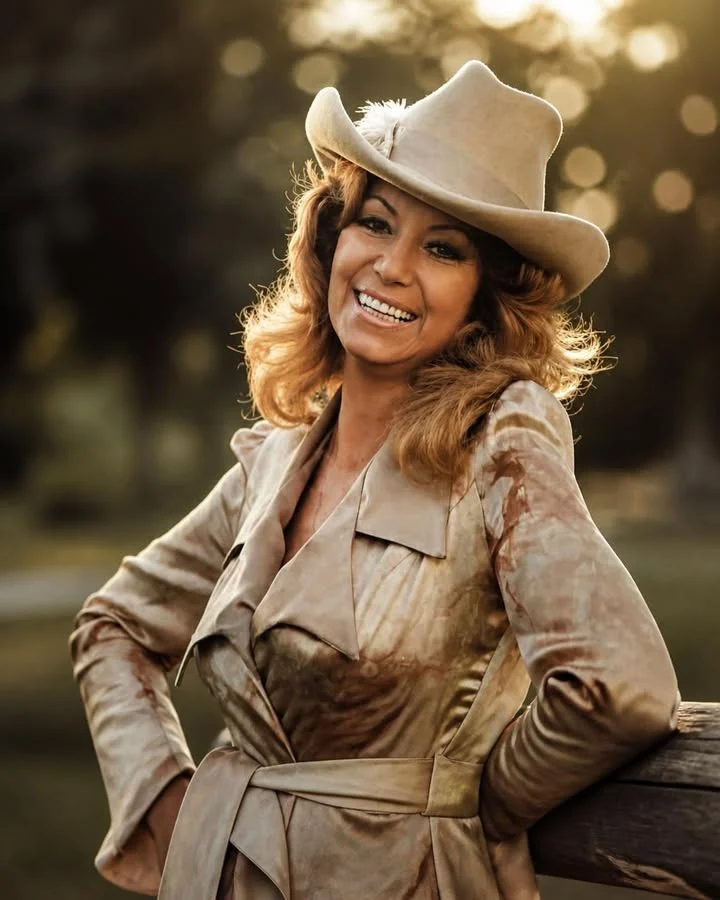
When Dottie West walked onto the stage to accept her Grammy in 1965, she was carrying more than a trophy — she was carrying the weight of a childhood that could have destroyed her. The applause that night belonged to her voice, but the real victory was personal.
Born Dorothy Marie Marsh, the oldest of ten children in a poor Tennessee family, she learned early to care for others while her mother worked. But the hardest battle was within her own home. For years, she endured unspeakable abuse from her father. At seventeen, she found the courage to tell her teachers and later took the stand in court to testify against him. He was convicted and sentenced to forty years in prison.
That testimony became a turning point, though it did not erase the damage. Instead, Dorothy refused to let her past write her future. She worked her way through college, married steel guitarist Bill West, and spent countless weekends driving to Nashville, hoping someone would hear her. Most doors stayed closed, but she kept going.
Then came a break. Jim Reeves recorded one of her songs and introduced her to RCA producer Chet Atkins. In 1964, she released “Here Comes My Baby,” a song she helped write herself. It climbed to the Top 10 and changed everything. The next year, she made history as the first female country artist to win a Grammy.
Dottie West’s story is more than a career milestone. It is a testament to courage and resilience. She proved that even the hardest beginnings do not have to dictate the ending. Her voice carried not just melody, but the quiet strength of a survivor who finally found her power.
The greater victory belonged to the frightened Tennessee girl who refused to stay silent.
That is why Dottie West still matters. Her Grammy win was a landmark, but the deeper triumph was personal. Dorothy Marie Marsh became Dottie West not by forgetting where she came from, but by proving that every scar can become a stepping stone to something extraordinary.