
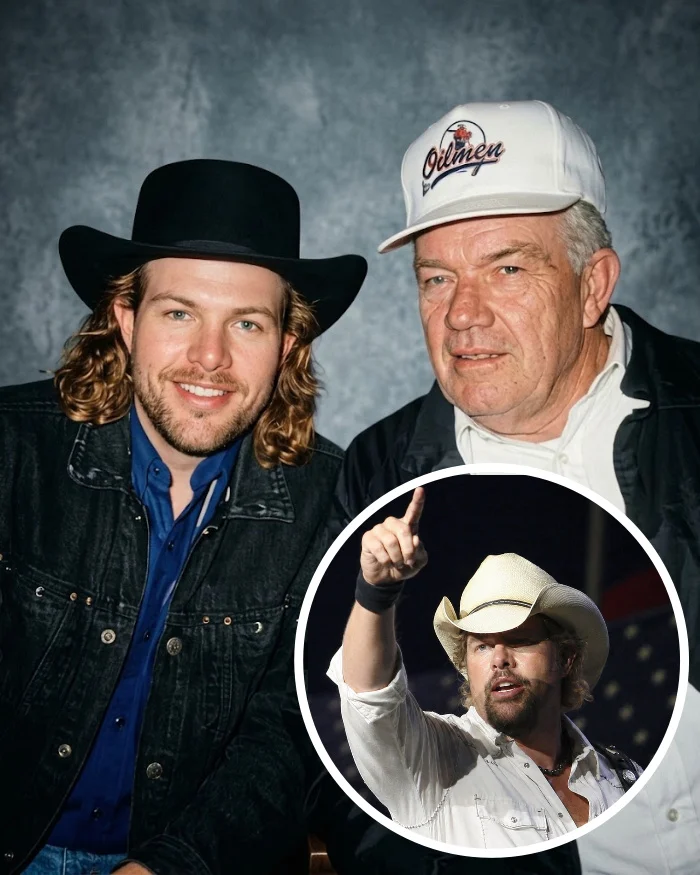
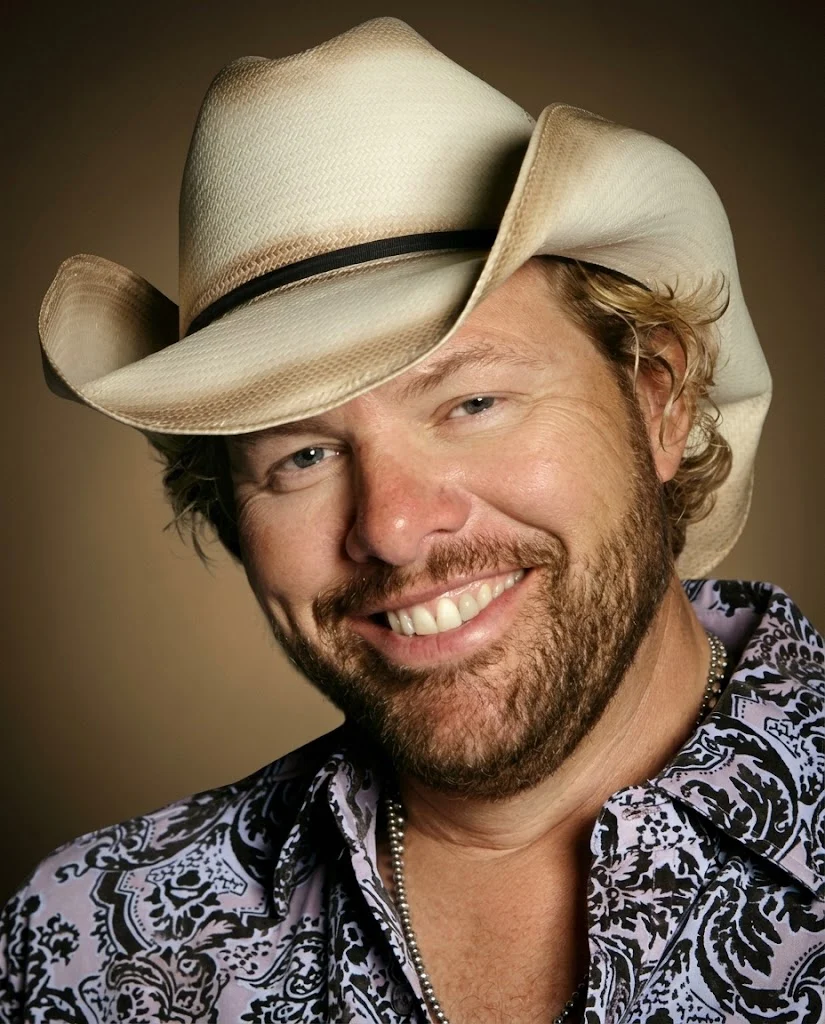
When Toby Keith walked away from ABC’s Fourth of July special in 2002, he didn’t just lose a prime-time slot. He ignited a firestorm that would define his entire career and cement his legacy as a voice for the military and working class. The network executives had a simple demand. They wanted Keith to change the lyrics to his new song Courtesy of the Red, White and Blue or choose a different track. For Keith, neither option was acceptable.
The song was born from grief. Just months before the September 11 attacks, Keith buried his father, H.K. Rowland, an Army veteran who lost his right eye in combat. Rowland flew the flag every day at his Oklahoma home. When the towers fell, Keith channeled his father’s voice into a song written in twenty minutes on the back of a fantasy football sheet.
I wrote exactly what my father would have said if he were still sitting on that porch,
Keith later recalled.
General James L. Jones, Commandant of the Marine Corps, heard the raw track during a live show for troops. He told Keith it was his duty to record it. So Keith did. But when ABC anchor Peter Jennings and network executives heard the fiery lyrics—including lines about putting a boot in someone’s ass—they deemed it too abrasive for a family broadcast. They asked for a gentler version of patriotism.
Keith refused. He packed his guitar and accepted his removal from the lineup without hesitation.
I made a promise to my father. I wasn’t going to break it for a television show,
he said. The decision sparked a national debate on free speech and patriotism. But instead of hurting his career, it propelled him. The song went straight to number one on the Billboard Hot Country Singles chart.
Keith didn’t need the network. He took the song directly to the troops, performing it on hundreds of USO tours over the next two decades. In the deserts of Iraq and Afghanistan, no one asked him to soften the words. The soldiers roared along with every line. The song never belonged to a television broadcast. It belonged to a one-eyed veteran from Oklahoma and every soldier who stood where he once stood.