
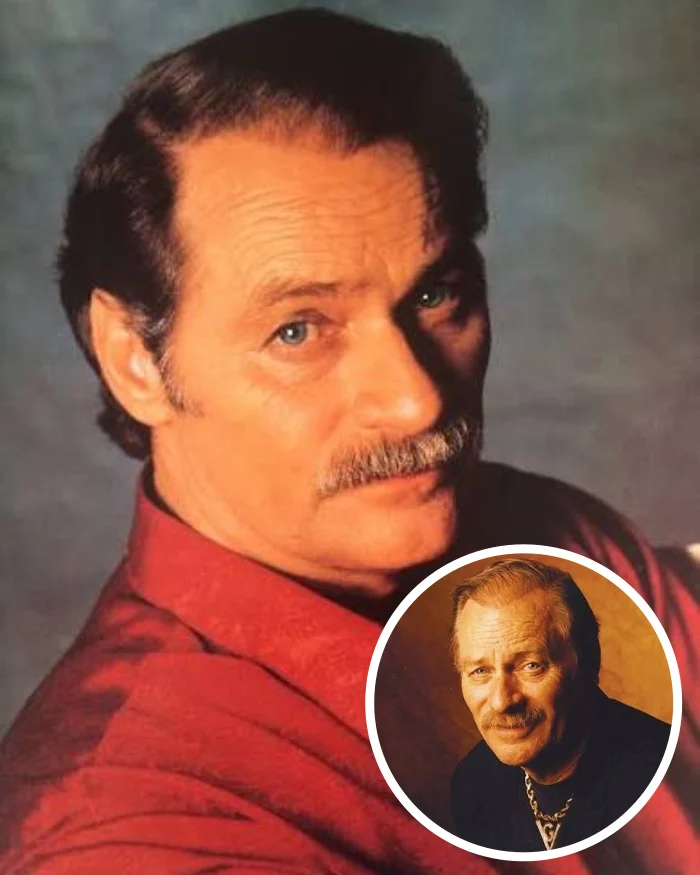
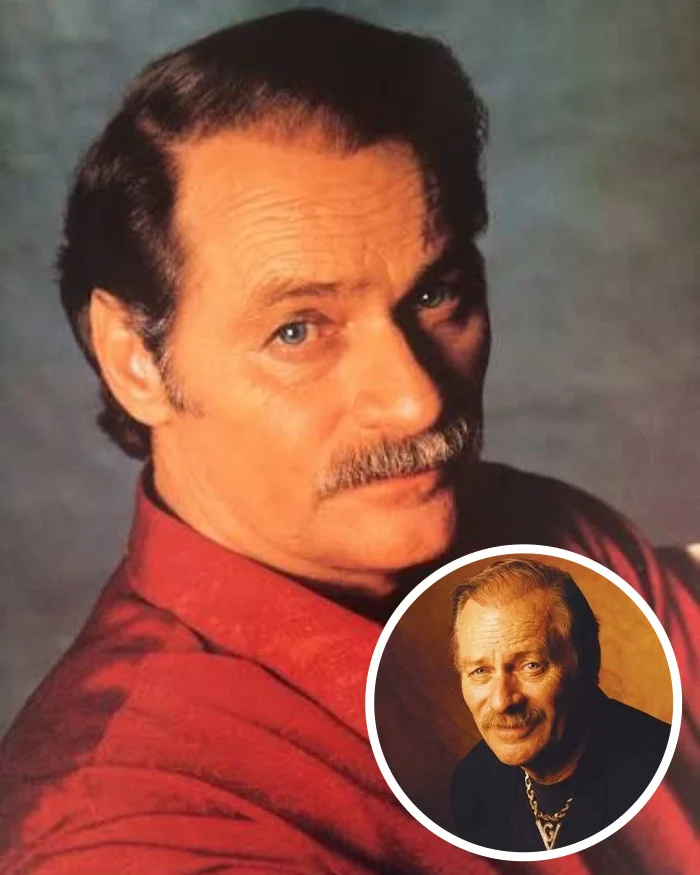
Nashville called him The Voice but for years that same baritone was hidden behind the counter of a glass shop in California. Vern Gosdin thought his chance had passed until he found the courage to try again past the age of forty.
Born in Woodland Alabama in 1934 during the Great Depression he grew up as one of nine children in a home with no electricity. Every morning before school he pulled heavy rocks from the hard Alabama dirt so his family could plant another row of cotton. When the farm work ended his parents Roy David and Zuma Alice led gospel hymns in the kitchen teaching their boys the harmonies that would later carry them onto radio station WVOK in Birmingham. On Saturday nights the household gathered around a single battery powered radio listening by lamplight to the Grand Ole Opry.
Those early years shaped everything By the 1960s Vern and his brother Rex carried that vocal style west to California recording bluegrass with Chris Hillman and Gene Clark during the rise of folk rock. But commercial success stalled and Gosdin walked away from the music business. He ran a glass shop to make a living and for years he measured and cut glass while his voice remained silent.
A voice that much lived in truth cannot stay quiet forever His recordings eventually made their way to Music Row. Peers like Tammy Wynette and Emmylou Harris heard the unvarnished aching reality in his delivery and championed his return. When he finally appeared on the country charts he did not come as a polished star but as a grown man with calloused hands. His singing carried the weight of someone who knew exhaustion and heartbreak firsthand.
He was a working man who happened to hold a once in a generation gift
Vern Gosdin proved that the most resonant voices in country music are not discovered overnight they are forged through decades of hard ordinary life. His songs were written directly from the Alabama dirt and the quiet years behind the glass shop counter leaving behind a legacy that still moves listeners today.