
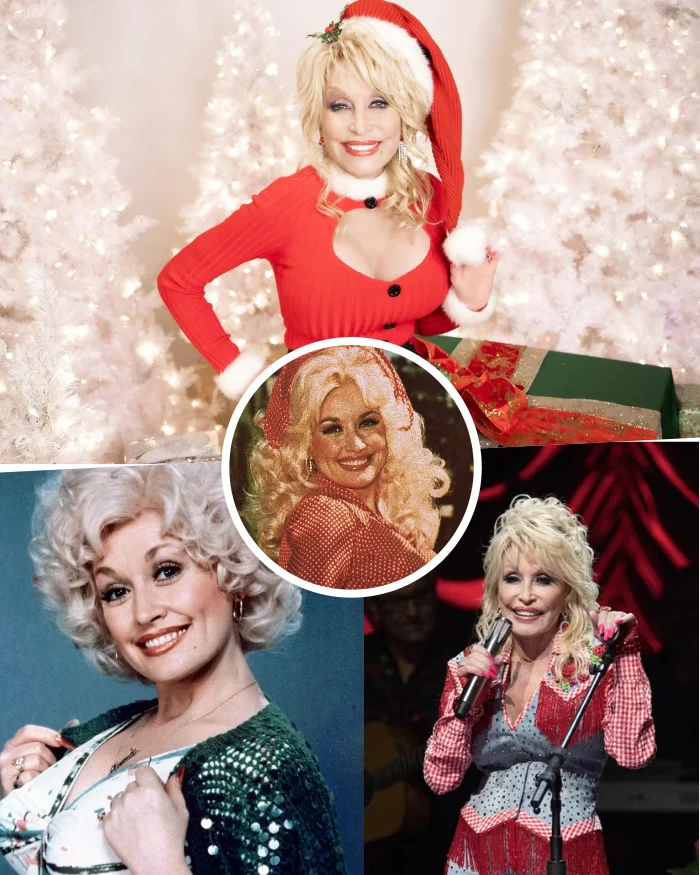
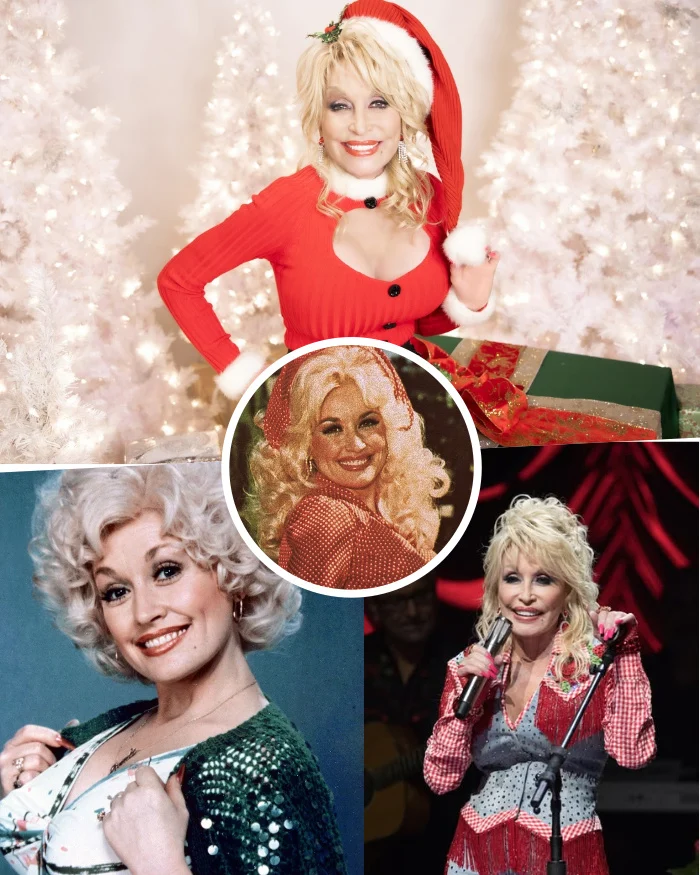
The weight of despair pressed down so heavily on Dolly Parton that she seriously considered ending her own life. What stopped her was not a phone call from a record executive or a new contract offer. It was the sound of her dog Popeye bounding up the stairs. That single, grounding moment saved the woman who had built an empire on making others smile.
The year was 1987. The public saw a country superstar whose splashy ABC variety show Dolly had collapsed after just 22 episodes. The network had invested a staggering $44 million into elaborate sets and high-profile guests. But behind the glitter, Parton was fighting a private war. She had been suffering from severe endometriosis, a condition that caused chronic pain and internal bleeding. A necessary partial hysterectomy permanently erased her lifelong dream of having children with her husband Carl Dean.
The television failure collided directly with a devastating private crisis
That collision pushed the relentlessly optimistic singer into a paralyzing depression. She gained weight, avoided the cameras, and retreated to the quiet corners of her home. The woman famous for towering wigs and unstoppable energy completely withdrew from the world. For a prolonged period, Parton seriously considered walking away from the entertainment industry entirely.
Yet she found her way out through deep personal faith and quiet reflection. She realized that the massive pop-culture machine she had built around herself had become too heavy to carry. To survive, she needed to completely dismantle the Hollywood image that had just failed her. Instead of chasing another crossover pop hit, she made a deliberate choice to return to the acoustic country roots that had first defined her voice.
Parton sought out bluegrass traditionalist Ricky Skaggs to produce her 1989 comeback album White Limozeen. It was a massive professional risk during an era when country music was heavily leaning toward slick commercial sounds. She stripped away the synthesizers and orchestral arrangements, surrounding herself with fiddles, pedal steel, and acoustic guitars. She sang raw, honest stories about rural life, faith, and survival.
She simply walked back into the recording studio and relied on the exact same Appalachian storytelling that had saved her from poverty
The album produced two number-one country singles, including Why’d You Come in Here Lookin’ Like That, and restored her credibility. More importantly, it laid the groundwork for the Grammy-winning bluegrass records she would release a decade later. Her darkest chapter was not fixed by a Hollywood comeback or a new contract. It was healed by a simple acoustic guitar and the courage to finally sing just for herself.