
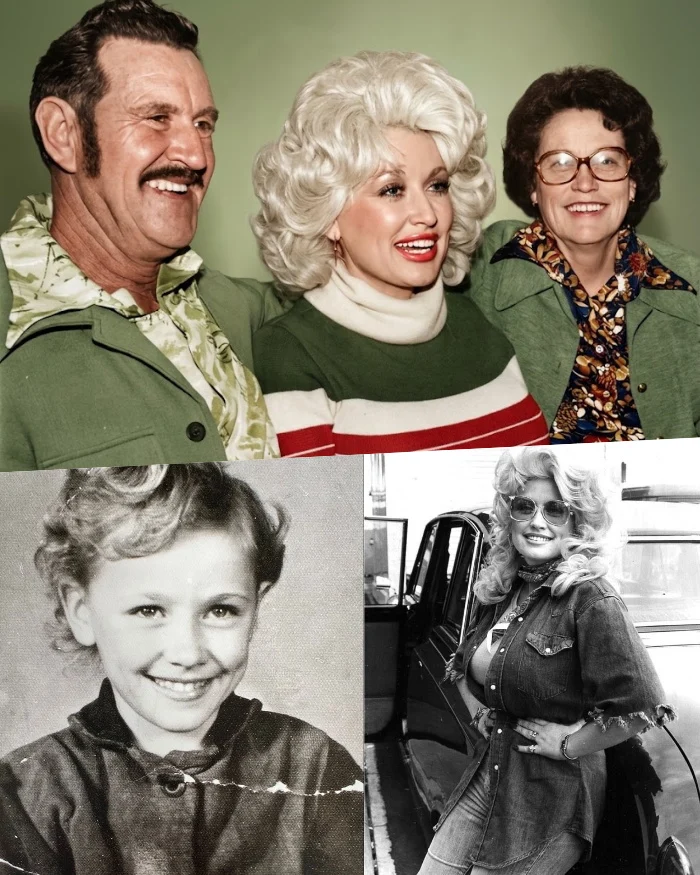
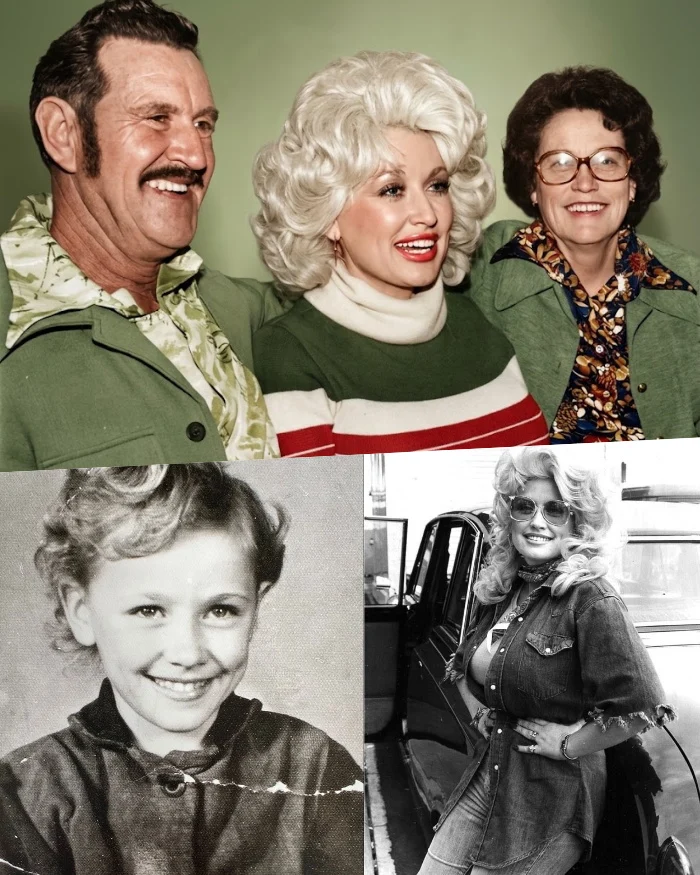
A ten-year-old girl with a guitar and a fierce determination stepped onto a Knoxville radio stage. The crumpled bills she earned that day did not buy candy or ribbons. They bought flour, lard, and sugar for a family of fourteen living in a two-room Appalachian cabin.
Long before the world knew her name, Dolly Parton understood that music was survival. Born into poverty in Locust Ridge, Tennessee, she was the fourth of twelve children. Her parents, Robert Lee and Avie Lee Parton, worked a sharecropper plot but could barely keep food on the table.
Her maternal uncle, Bill Owens, saw something special in young Dolly. A struggling songwriter himself, he invested in an old car and drove her over winding mountain roads to radio stations in Knoxville. He knocked on doors until the local grocery magnate Cas Walker offered Dolly a recurring spot on his popular WIVK broadcast.
Standing before microphones with an acoustic guitar nearly as big as she was, Dolly sang traditional mountain tunes and country melodies for an invisible audience. The pay was meager — just a few loose bills tucked into an envelope. But on the bus rides home, she held that money tightly in her small hands.
“I never kept a single dollar for myself. Every penny went straight to my mother. That money bought us food. That is what mattered.”
Back at the cabin, she handed the full envelope to her mother, Avie Lee. Those dollars bought fifty-pound sacks of flour, lard, cornmeal, and sugar. They helped pay down debts at the local grocery store. By age twelve, Dolly was buying her own school clothes, notebooks, and pencils. She was shielding her parents from the constant dread of empty pantry shelves.
Uncle Bill remained the strategist behind the scenes. He helped broker a recording deal with Eddie Shuler’s Goldband Records in Louisiana. In 1959, at thirteen years old, Dolly cut her first commercial single — a rockabilly-tinged tune called Puppy Love, co-written with her uncle during their long drives.
That partnership reached its summit in the summer of 1964. The morning after graduating from Sevier County High School — the first person in her family to earn a diploma — Dolly packed cardboard boxes and boarded a bus to Nashville. Uncle Bill drove alongside, continuing to co-write and pitch songs on Music Row until the industry opened its doors.
Those exhausting round trips to Knoxville and the grit of live grocery broadcasts forged an iron work ethic. Music was never a hobby for Dolly Parton. It was the quiet, steady labor that kept food on a mother’s table and lifted twelve children from poverty. Before the world ever learned her name, her very first stage had already served its most meaningful purpose.