
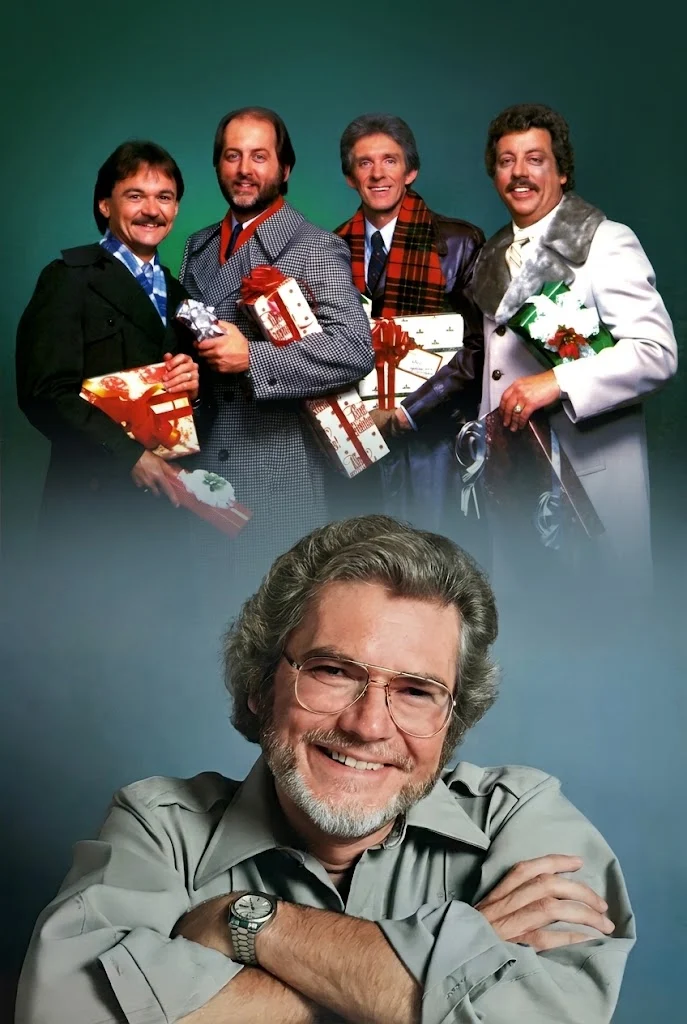
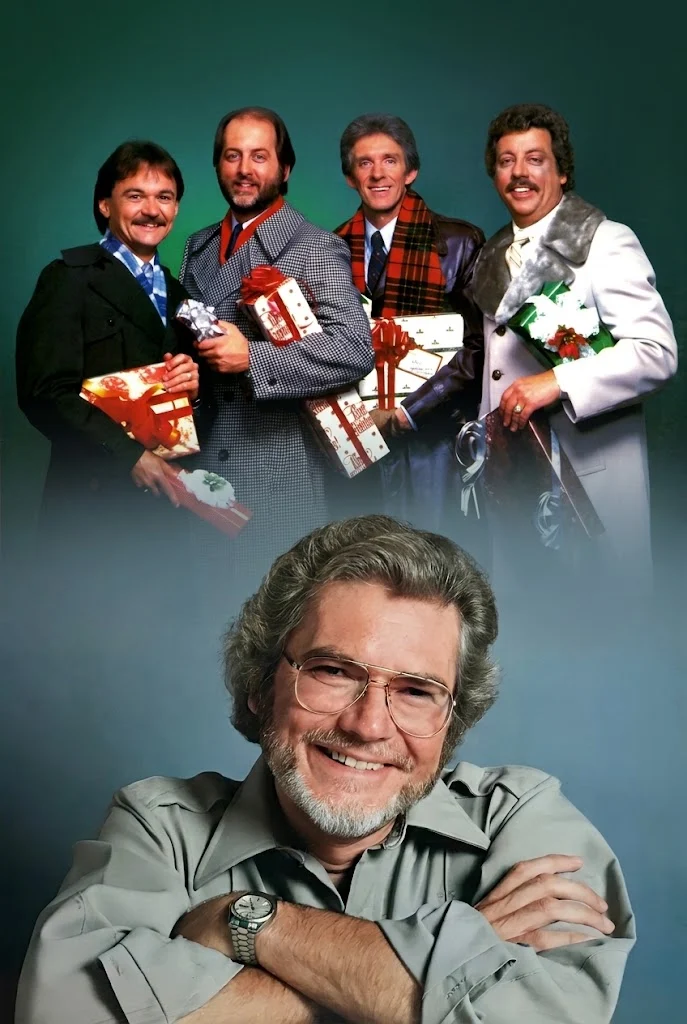
Lew DeWitt stood on stage in 1989 knowing every note could be his last. The founding tenor of the Statler Brothers had already defied medical odds by returning after a forced retirement in 1982. But this time, his body would not listen. He was fighting a silent war against Crohn’s disease that had ravaged his intestines for decades. When he finally stepped away from the microphone that year, it was not a choice. It was surrender to a condition that would kill him within twelve months.
His journey back to the stage had been a miracle of will. After spending over two decades anchoring one of country music’s most beloved groups, complications from Crohn’s forced him into what everyone thought was permanent retirement in the summer of 1982. Yet DeWitt refused to let his legacy end there. He returned as a solo artist two years later, pushing his body to its absolute limits. Each time he sang, he endured intense internal pain. His 1984 album, defiantly titled Here to Stay, proved his spirit was unbroken.
Completing those final recording sessions required a monumental sacrifice. DeWitt relied on a quiet network of loyal studio musicians and close friends in Virginia who understood his daily struggles. They arranged schedules around his fluctuating health. On his toughest days, they would capture just one vocal track at a time. Their patience ensured his voice was preserved without demanding more than his fragile body could handle.
The defining piece of his legacy remains one of his most beloved creations, “Flowers on the Wall”. The song is a masterful exploration of loneliness, capturing the quiet devastation of masking deep depression with mundane activities. Its haunting simplicity struck a chord with listeners everywhere. Those famous lines still resonate:
Counting flowers on the wall
That don’t bother me at all
Playing solitaire till dawn with a deck of fifty-one
Smoking cigarettes and watching Captain Kangaroo
Written by DeWitt, those words became a defining anthem of American music. The enduring power of his writing stands in stark contrast to the physical suffering he experienced in his later years. While he spent his final days navigating the harsh realities of a failing body, his music continued to travel the world.
Lew DeWitt passed away on August 15, 1990, in Waynesboro, Virginia, at just 52 years old. His death resulted from heart and kidney failure caused by decades of fighting the disease. What he left behind was a catalog of music that far outlasted the pain he endured to create it. His final solo years were not just an attempt to hold onto a career. They were a testament to a man who gave everything he had to the microphone, ensuring that long after he stepped away, his voice would never really leave the room.