
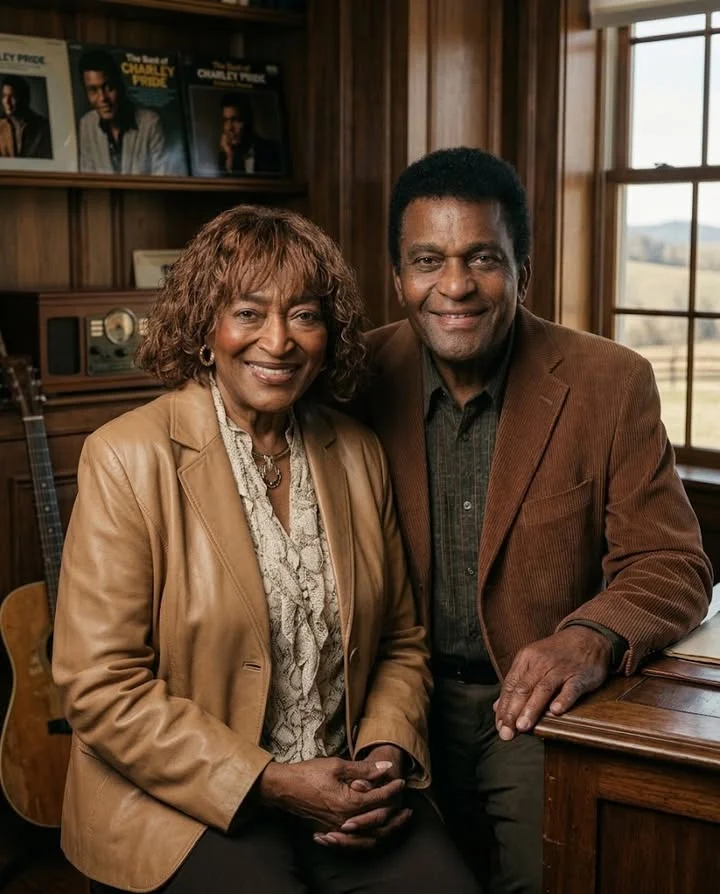
In 1971, Charley Pride walked into a Nashville studio and recorded a song that would rewrite the rules of country music without ever raising his voice. The song was I’m Just Me — four simple words that carried the weight of a lifetime of rejection and quiet defiance. It was not an anthem of anger. It was a statement of pure existence, and it changed everything.
Long before that studio session, Pride was a boy in Sledge, Mississippi, picking cotton under the scorching sun. He grew up in the heart of Jim Crow, where the lines of segregation were as sharp as the cotton bolls. Yet, each evening, he would press his ear to a crackling radio and listen to the Grand Ole Opry. The voices of Roy Acuff and Ernest Tubb floated through the static, and a young Charley dared to dream of a world where his voice could join theirs.
When he finally made his way to Nashville in the 1960s, the industry was not ready for him. Country music was a white man’s world, and a Black face on stage was unthinkable. So his management made a painful decision — they hid his photograph from the record sleeves. They let the radio stations fall in love with his golden baritone before they could judge the color of his skin.
He carried the weight of being the only one in the room. Silent stares and whispered doubts followed him everywhere. Yet he never retaliated with bitterness. Instead, he chose dignity. In 1971, he recorded I’m Just Me. It was a gentle country tune, but in his hands, it became a profound declaration of self.
“I’m Just Me” — those four words became a quiet revolution.
When he stood under those stage lights, the tension was palpable. Audiences waited for him to falter. But he would smile, step up to the microphone, and let his velvet voice fill the hall. With each note, he dismantled their prejudice. The silence turned into applause.
His legacy is not one of rebellion but of quiet strength. He did not change his sound or erase his roots. He won by standing firmly in his own skin. Charley Pride passed away in 2020, but his music remains a shelter for anyone who has ever felt like an outsider.
Today, his voice still drifts from old radios, reminding us that the ultimate victory is not perfection — it is being real. Not someone else’s invention. Just real.