
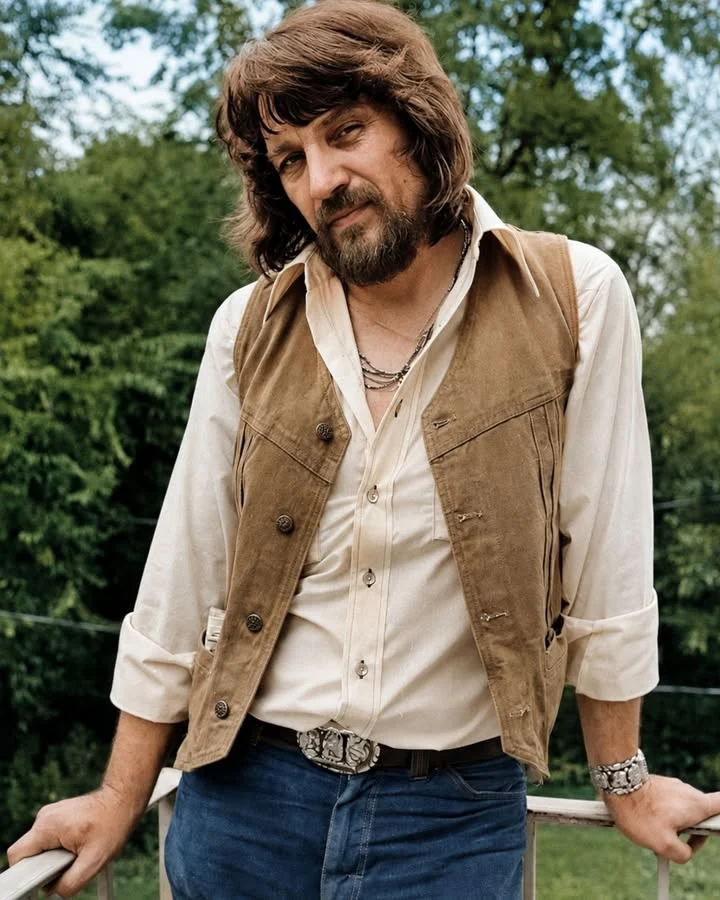
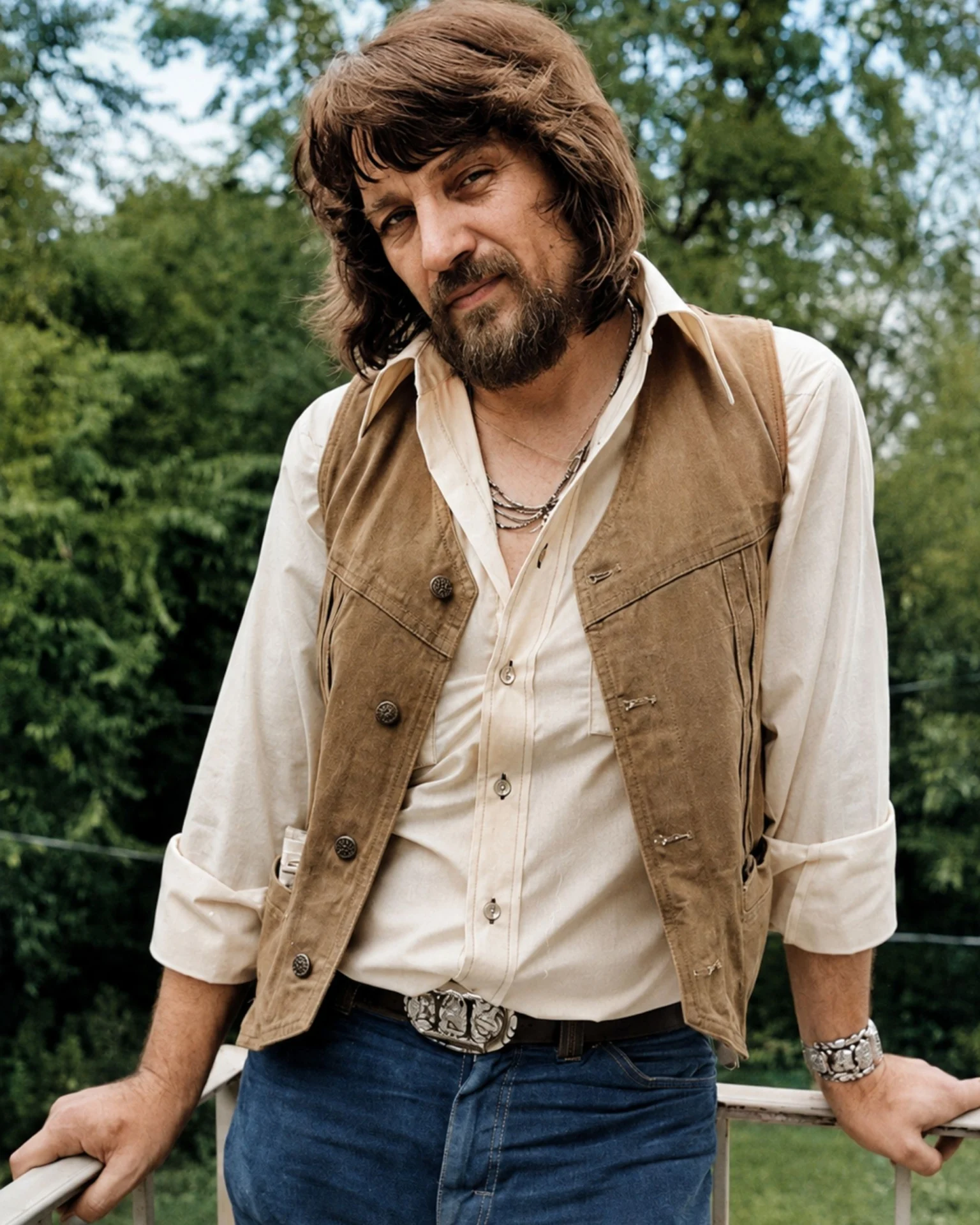
It was 1977 and Waylon Jennings stood at the peak of the outlaw country revolution. His album Wanted! The Outlaws had just become the first country record certified platinum. Luckenbach Texas ruled the charts. He had fought for creative freedom and won making him the face of Nashville rebellion. But behind that rebellious image a dark reality was taking hold.
Waylon was battling a serious cocaine addiction. And one night that private war followed him straight into the recording studio.
He used the studio talkback system to warn Waylon who was inside recording. Waylon concealed the package while the agents presented their warrant.
Federal agents had tracked a cocaine shipment from New York to the Nashville studio where Waylon worked with drummer and producer Richie Albright. When the DEA arrived Albright spotted them first. He hit the talkback button alerting Waylon who hid the drugs just as agents entered with a warrant.
But the warrant had a critical flaw. It incorrectly identified Waylon as the studio owner. He was not. That legal mistake bought precious seconds. While agents debated the paperwork the cocaine disappeared. Accounts later credited Albright with flushing it down the toilet. By the time authorities searched the evidence was gone.
Waylon was arrested on federal drug charges but the case collapsed. On the surface it looked like another outlaw legend a country star outsmarting the feds. But Waylon knew the truth was far less romantic.
The word outlaw had become a marketing category by then. Record companies sold the beard the leather the independence the danger. It all looked good on album covers. But Waylon later described staying awake for days and spending massive amounts of money feeding his habit. That was not freedom. That was destruction.
In 1978 he turned the raid into a song: Don’t You Think This Outlaw Bit’s Done Got Out of Hand. He did not disguise the inspiration. The track described lawmen arriving during a session and mocked the absurd gap between the commercial outlaw persona and a real federal drug investigation. Released from the album I’ve Always Been Crazy it climbed to No. 5 on Billboard country chart.
The raid could have derailed his career. Instead it became another hit. The outlaw machine absorbed the danger and sold it back to the audience.
But the cocaine problem did not end that night. Waylon struggled with it into the early 1980s before finally quitting. That later recovery gives the 1977 raid a heavier meaning. It was not just a wild story from a wild time. It was a warning sign.
Waylon had fought Nashville for the right to make records his own way. But the harder fight was with the thing that followed him after the show into the bus into the studio and into the hours when the outlaw image could not protect him from himself.
The deepest truth of this story is not that Waylon Jennings beat a federal drug case and turned a raid into a hit. It is that the incident revealed how thin the line had become between outlaw myth and real consequence. A platinum album. A No. 1 hit. A public image built on rebellion. Then a package from New York DEA agents at the door a flawed warrant cocaine flushed away charges that failed and a song asking whether the outlaw bit had finally gotten out of hand.
Waylon Jennings made country music safer for artists who wanted control. But by 1977 the life around the image was no longer safe for him. The raid sounded like legend from a distance. Up close it was something else a warning that the costume Nashville was selling had started to bleed into the man wearing it. And when Waylon sang about it he was not only laughing at the lawmen. He was admitting that the outlaw story had reached the point where even he could hear the trouble in it.