
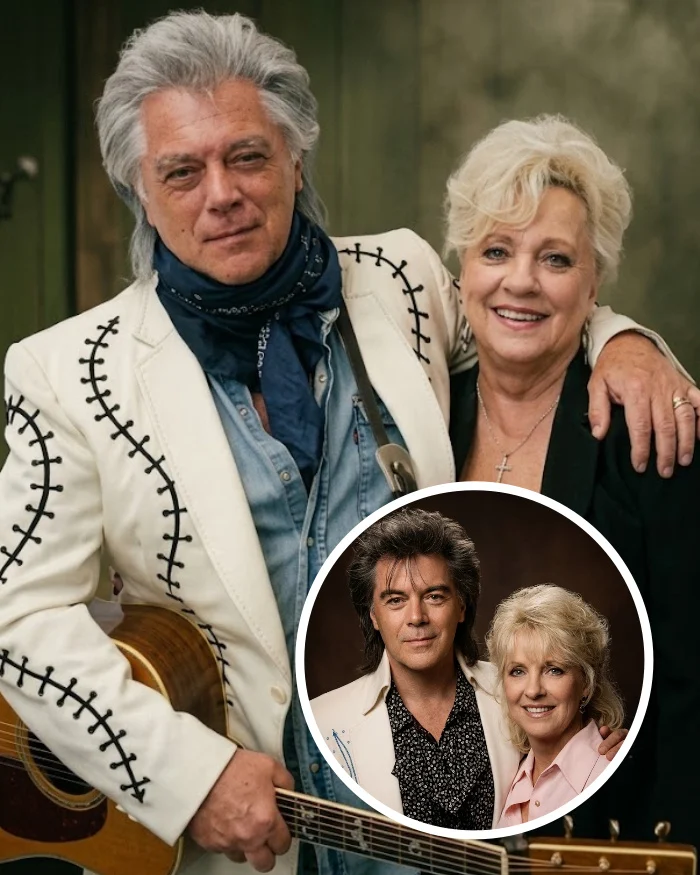
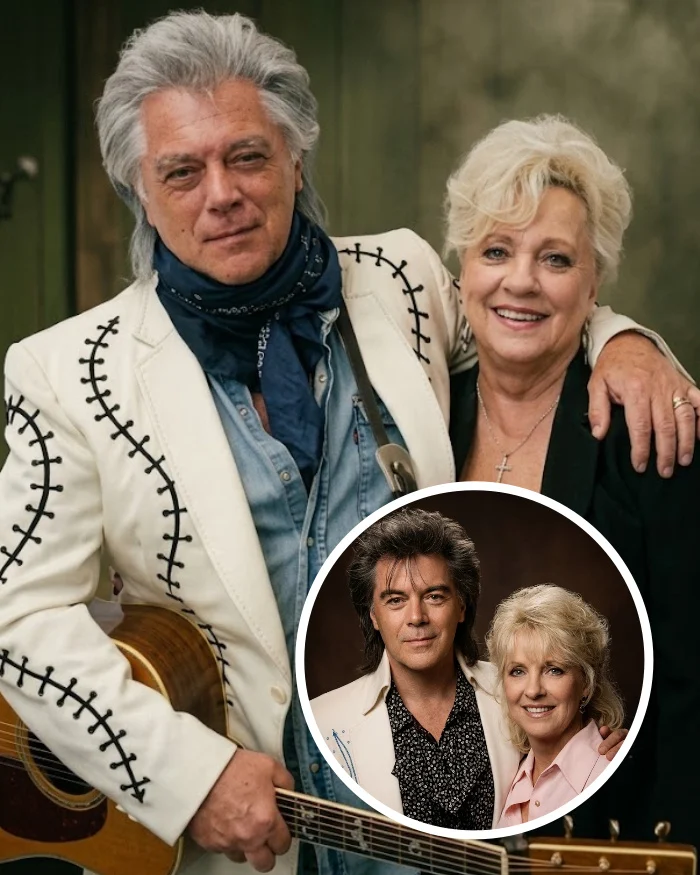
Marty Stuart stood beneath the summer sky on South Dakota Pine Ridge in July 1997 and married Connie Smith with a calm he had chased for years. The moment felt like a quiet summit after a long climb through fame, divorce, late nights, and the roaring expectations of Nashville.
Years earlier, a marriage license filed in 1983 tied 25 year old Stuart to the inner circle of country music royalty when he wed Cindy Cash, the daughter of Johnny Cash. He had toured with Lester Flatt as a mandolinist since childhood and later played inside Cash’s backing group. The union seemed like destiny, yet life inside that famous household grew strained. By 1988, the marriage ended in divorce and Stuart lost a steady personal anchor while facing an uncertain path on Music Row.
He answered that setback with reinvention. For MCA Records, he became a high octane hillbilly rock showman, wearing sequined Manuel jackets, feathered hair, and loud western scarves under arena lights. The pivot produced four top ten country hits and a major collaborative Grammy Award with Travis Tritt. On stage, the crowd saw energy. Off stage, Stuart leaned on barroom nights and alcohol to blunt endless highway fatigue. The restless showman was masking a deeper emptiness.
That trajectory changed in late 1995 when Stuart drove to Connie Smith’s home with an acoustic guitar to pitch a collaboration. She was seventeen years his senior and had stepped away from commercial recording to raise five children. She had endured three divorces, industry pressure, and solo stardom, so she understood the emotional cost of the road.
Rather than lecture him, Connie offered unhurried attention. Songwriting sessions at her kitchen table turned into long talks about faith, family, and emotional discipline. For a man used to rapid turnover and applause, her home felt unfamiliar and safe.
Patience became the quiet force that changed Marty Stuart.
As friendship deepened toward their July 1997 marriage on South Dakota Pine Ridge reservation, Stuart stepped away from self destructive habits and commercial trends. Connie encouraged him to stop chasing top forty radio formulas and focus on traditional country preservation.
By early 2000s, that new focus shaped his definitive musical chapter. He assembled the Fabulous Superlatives with guitarist Kenny Vaughan, drummer Harry Stinson, and later bassist Chris Scruggs. They performed unvarnished roots music, bluegrass, and traditional country. In 2005, he launched independent Superlatone Records to release overlooked American roots projects without corporate interference.
From chaos to porch conversations to a legacy of preservation, Stuart found lasting peace beside Connie Smith. The stage lights never offered the grounding that patience, faith, and steady love provided.